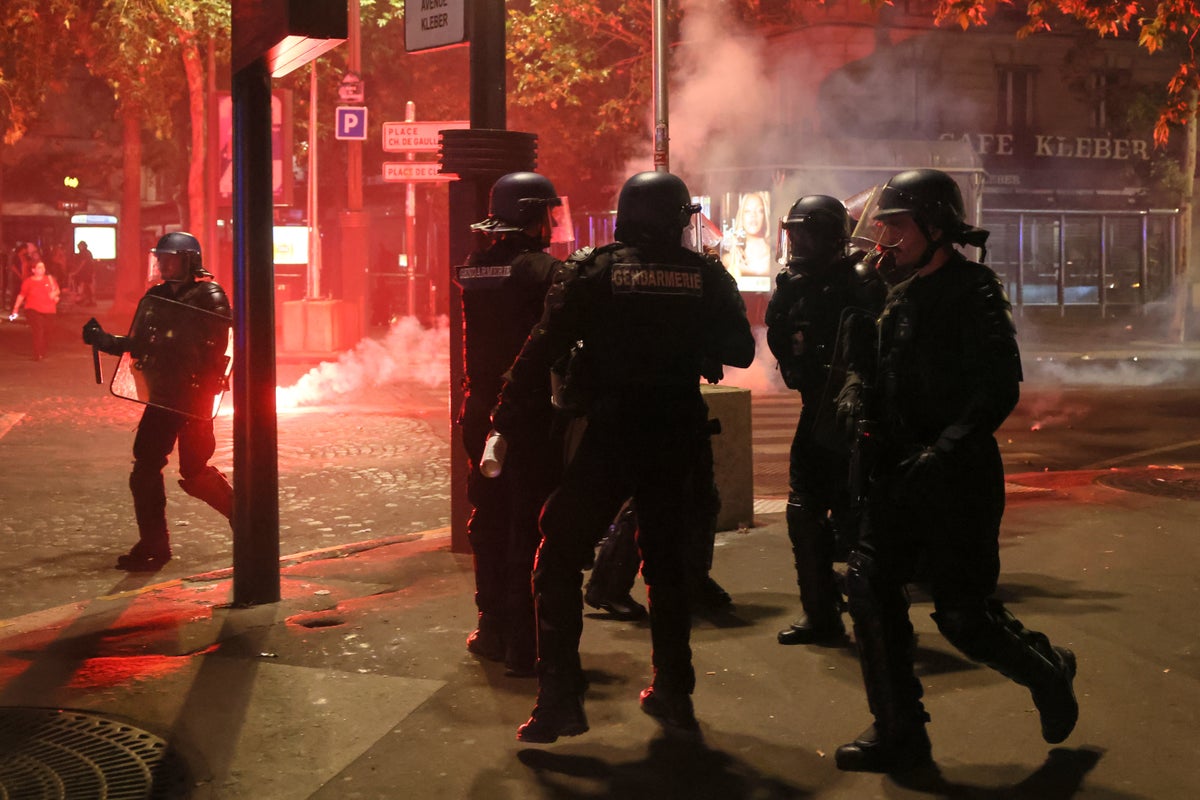
Paris Saint-Germain defended their European crown at the Puskás Aréna in Budapest, defeating Arsenal 4-3 on penalties after a exhausting 1-1 draw through extra time. The victory secures consecutive Champions League titles for the French side, elevating manager Luis Enrique to a select company of tacticians with three European Cups. While the headline machine screams of Parisian historical brilliance, the raw reality of the pitch exposed a far more complex corporate and tactical war. Mikel Arteta’s newly crowned English champions choked out the game for over an hour, exposing the structural limitations of a Parisian project built on massive Gulf sovereign wealth. Ultimately, a single skewed kick by Gabriel Magalhães decided a match that was less about footballing poetry and more about brutal systemic attrition.
The Mirage of Seventy Five Percent
Football analytics departments love possession. Coaches write books about it. Yet, for 60 minutes in Budapest, Paris Saint-Germain’s suffocating 75.3% control of the ball looked less like a weapon and more like a prison.
When Kai Havertz latched onto a loose ball following a midfield ricochet in the sixth minute, rifling a left-footed strike into the roof of Matvey Safonov’s net, the tactical script was written. Arsenal did not just drop deep; they built a concrete wall. Arteta deployed a heavily compacted block that entirely eliminated central passing lanes, forcing Vitinha, João Neves, and Fabián Ruiz into a circular cycle of meaningless perimeter passes.
Arsenal Defensive Block (6' - 64')
=========================================
          [Raya]
   [Saliba]    [Gabriel]
[Mosquera]          [Hincapié]
     [Rice]      [Lewis-Skelly]
=========================================
Result: PSG restricted to low-probability
long-range efforts from distance.
The French champions were reduced to desperate, low-probability shots from distance. Dembélé and Vitinha repeatedly tested the evening sky rather than testing David Raya. This was the blueprint that brought Arsenal to their first domestic league title in over two decades, relying on a backline marshaled by William Saliba and Gabriel that had conceded a meager six goals on their entire route to Budapest. For an hour, American billionaire capital looked poised to humble Qatari state funds.
The Breaking Point of Chasing Shadows
No team can defend without the ball forever. The human body has physiological limits, and Enrique knew exactly how to exploit them.
In the second half, the Parisian instructions changed. Instead of trying to pierce the center, PSG overloaded the flanks, forcing Arsenal's wide players into endless, lung-bursting recovery runs. The English side's possession percentage dropped to an astonishing 24.7%, the lowest recorded in a European final since data collection began two decades ago.
- The Overload: Achraf Hakimi and Nuno Mendes pushed extraordinarily high, turning the match into a game of attack against defense.
- The Fatigue: Bukayo Saka and Cristhian Mosquera—the latter playing out of position due to Jurriën Timber's recent groin injury—began accumulation of lactic acid.
- The Error: In the 61st minute, Khvicha Kvaratskhelia executed a sharp one-two with Dembélé on the left wing. Mosquera, exhausted and half a step slow, committed a clumsy challenge inside the box.
Ousmane Dembélé stepped up to the spot. The Ballon d'Or holder coolly sent Raya the wrong way, smashing home his side's 45th goal of the tournament, matching the legendary single-season scoring record set by Barcelona in 2000.
The Cruel Illusion of the Lottery
The introduction of fresh legs—Timber, Viktor Gyökeres, Gabriel Martinelli, and Noni Madueke—saved Arsenal from collapsing in regulation time. Kvaratskhelia rattled the post, and Bradley Barcola dragged a golden opportunity wide, but the English rearguard held through 120 minutes of sheer physical punishment.
When the whistle blew, the stadium prepared for penalties. The media labels shootouts a lottery, but top-tier clubs know better. PSG entered the night having won their last five consecutive shootouts across all competitions this season. They possessed the psychological edge of a squad that returned ten of the exact same eleven players who demolished Inter Milan 5-0 in the previous year's final.
Penalty Shootout Progression
-----------------------------------------
Round 1: Ramos (PSG) ✅  |  Gyökeres (ARS) ✅
Round 2: Doué (PSG)  ✅  |  Eze (ARS)      ❌ (Wide)
Round 3: Mendes (PSG) ❌  |  Rice (ARS)     ✅
Round 4: Hakimi (PSG) ✅  |  Martinelli (ARS)✅
Round 5: Beraldo (PSG)✅  |  Gabriel (ARS)  ❌ (Over)
-----------------------------------------
Final: PSG win 4-3 on penalties
Eberechi Eze blinked first for Arsenal, firing wide, though Raya temporarily repaired the damage by stopping Nuno Mendes. The burden ultimately fell on the youngest player on the pitch, Lucas Beraldo, who buried PSG's fifth. When Gabriel Magalhães walked up, the weight of history hung visibly on his shoulders. Arsenal had played 226 matches in Europe's premier competition without ever lifting the trophy—the longest drought of any club in football history. Gabriel leaned back, struck the ball with maximum power, and watched it sail over the crossbar into the erupting sea of Parisian fans.
The Geopolitical Balance Sheets
To view this game purely through the lens of tactics is to miss the entire foundation of modern European football. This final was a direct clash between two distinct models of modern sport financing.
| Metric | Paris Saint-Germain | Arsenal F.C. |
|---|---|---|
| Ownership Structure | Gulf State Sovereign Wealth (QSI) | North American Private Capital (Kroenke) |
| Annual Revenue (2024-25) | €837 million | €590 million |
| Squad Wage Bill | €551 million | €340 million |
| UEFA Campaign Payout | €146 million | €108 million |
The Parisian victory injects roughly €146 million into their coffers, completely offsetting the financial crisis currently gripping French football due to the collapse of domestic television rights revenues. By masterfully monetizing their brand as a cultural phenomenon outside of sport, PSG has built an economic shield that makes them nearly immune to domestic financial downturns. Arsenal, despite their immense commercial growth under Kroenke Sports & Entertainment, still operates within the strict parameters of a self-sustaining business model. When the margins of a match are decided by a single penalty kick, the side that can afford a €551 million wage bill will almost always have the deeper pool of endurance. Arsenal's long, agonizing wait for European validation stretches into another year, while Paris solidifies a sporting monopoly funded by state resources.