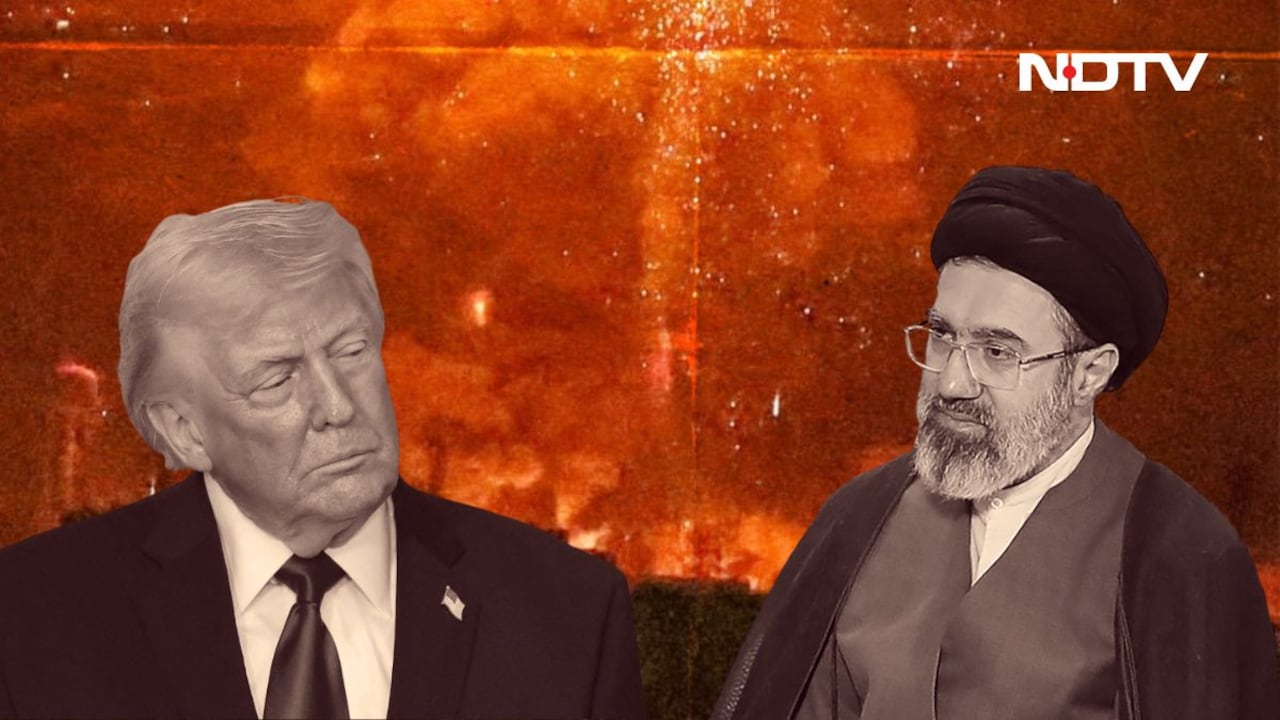
The United States and Iran are locked in a high-stakes psychological war over a leaked 14-point memorandum of understanding that promises to reopen the Strait of Hormuz and release $24 billion in frozen Iranian assets. While Iranian state media presents the draft as a major diplomatic victory that secures immediate financial relief and preserves Tehran’s maritime sovereignty, Washington has pushed back aggressively against these terms. President Donald Trump flatly stated that the leaked details have no relation to the written reality, while Vice President JD Vance confirmed that no cash will be handed over simply for attending meetings. This stark disconnect reveals that the document published by Tehran's Mehr News Agency is less an agreed-upon framework and more a public relations maneuver designed to satisfy domestic hardliners and influence global energy markets.
A deeper analysis of the text shows why a true diplomatic breakthrough remains highly unlikely. The gaps between the two sides are vast, particularly regarding the sequencing of sanctions relief and the scope of future negotiations.
The Strategic Leverage of Maritime Chokepoints
The Strait of Hormuz represents one of the most vital economic arteries on the planet. Approximately one-fifth of the world’s liquefied natural gas and nearly a quarter of global oil trade pass through this narrow corridor. Iran’s temporary closure of the strait during recent hostilities sent shockwaves through global energy sectors, pushing crude oil prices upward and forcing international shipping lines to reconsider their routes.
The leaked Iranian draft claims that the strait will reopen within 30 days under Iranian arrangements. Official statements from the state-run Islamic Republic News Agency emphasize that Tehran has no intention of ceding management of the waterway or returning to the pre-war status quo established by Western maritime forces. By framing the reopening as an entirely domestic operation, the Iranian government is attempting to codify its absolute control over international shipping lanes.
Washington views the situation through an entirely different lens. The White House maintains that any lifting of the naval blockade is contingent upon verifiable de-escalation and strict adherence to maritime law. The administration is using its naval presence to ensure that freedom of navigation is restored on international terms, not under a unilateral framework dictated by the Islamic Revolutionary Guard Corps.
The Phased Asset Dispute
The most immediate point of contention in the leaked memorandum involves the $24 billion in blocked Iranian funds. Tehran’s narrative presents a highly favorable timeline where half of this sum, roughly $12 billion, would be unfrozen and made available before the official 60-day negotiation period even begins.
Tehran's Proposed Timeline:
[Sign MoU] -> [Immediate $12B Release] -> [60-Day Negotiations Begin] -> [Remaining $12B Release]

Washington's Proposed Timeline:
[Sign MoU] -> [Verifiable Iranian Compliance] -> [60-Day Negotiations] -> [Phased, Conditional Relief]
This sequencing is a diplomatic non-starter for the United States. Vice President Vance explicitly rejected the idea of upfront financial rewards, clarifying that economic benefits will only flow after Iran fulfills specific, verifiable obligations. This dispute highlights a fundamental breakdown in trust that has plagued bilateral talks for decades.
- The Iranian Position: Financial relief must precede nuclear concessions to prove American good faith and stabilize Iran's struggling internal economy.
- The American Position: Releasing billions of dollars without prior compliance destroys Washington’s economic leverage and funds the very regional networks the US seeks to dismantle.
Nuclear Enrichment and Regional Proxies
Beyond the immediate issues of shipping lanes and frozen bank accounts, the draft attempts to draw strict boundaries around what can be discussed during the proposed 60-day negotiation window. The Iranian text limits future talks strictly to uranium enrichment levels, wartime compensation, and economic reconstruction.
This narrow scope deliberately ignores the core security concerns of the United States and its regional allies. Israeli Prime Minister Benjamin Netanyahu has consistently advocated for a comprehensive framework that includes the total dismantling of Iran’s enrichment infrastructure, strict limits on ballistic missile production, and an end to financial and military support for regional proxy groups in Lebanon and elsewhere.
By excluding missiles and proxy forces from the draft text, Tehran is trying to isolate its nuclear program from its broader regional foreign policy. The United States is highly unlikely to accept an agreement that leaves Iran’s regional missile capabilities untouched, especially after months of direct and indirect military exchanges that rattled regional stability.
Domestic Pressures and Institutional Skepticism
The sudden leak of the 14-point memorandum appears timed to manage intense domestic political pressures within both nations. In Iran, the leadership faces severe economic strain exacerbated by sanctions and military blockades. Publishing a draft that promises $24 billion in cash, a multi-billion-dollar reconstruction plan funded by the West, and continued control over the Strait of Hormuz allows Iranian officials to signal strength to their domestic base.
In the United States, political dynamics demand a highly visible foreign policy victory without appearing weak on state-sponsored militancy. While President Trump initially indicated that a signing ceremony could take place in Switzerland, his swift rejection of the leaked Iranian terms shows how sensitive the administration is to accusations of making concessions to Tehran.
The contradictory statements coming out of Washington and Tehran prove that a final, binding agreement is far from secure. The leaked document is an opening gambit in a complex propaganda war where both sides are trying to define the parameters of peace before the actual diplomatic work has even concluded.


