Geopolitics rarely moves in a straight line, but the growing alignment between New Delhi and Yerevan offers a masterclass in swift, practical diplomacy. When Prime Minister Narendra Modi met Armenian Prime Minister Nikol Pashinyan on the sidelines of the Shanghai Cooperation Organisation Summit in Bishkek, they didn't just exchange pleasantries. They mapped out an expanding economic and security corridor that few people saw coming a decade ago.
If you look past traditional diplomatic headlines, a deeper transformation is underway. India and Armenia are building an active partnership that stretches far beyond standard bilateral handshakes. They're tackling real-world supply chains, defense hardware demands, and technological exchanges that change how both nations position themselves globally.
Beyond the Usual Defense Deals
Most casual observers think the India-Armenia relationship starts and stops with military hardware. It's true that defense trade put this partnership on the map, with Yerevan procuring advanced Indian systems like Pinaka multi-barrel rocket launchers and anti-artillery radars. But pigeonholing this relationship purely as an arms trade ignores what happened in Bishkek.
Modi and Pashinyan broadened their agenda to target pharmaceuticals, science, IT, and higher education. Armenia wants reliable, high-volume access to affordable Indian pharmaceuticals, cutting out costly Western intermediaries. On the flip side, Indian tech firms and startups are eyeing Yerevan's growing engineering talent pool.
This isn't about signing symbolic memoranda of understanding that collect dust. It's about practical economic survival and diversification. Armenia wants to insulate its domestic economy from regional shocks, and India wants a reliable, friendly anchor in the South Caucasus.
Why This Partnership Accelerates Now
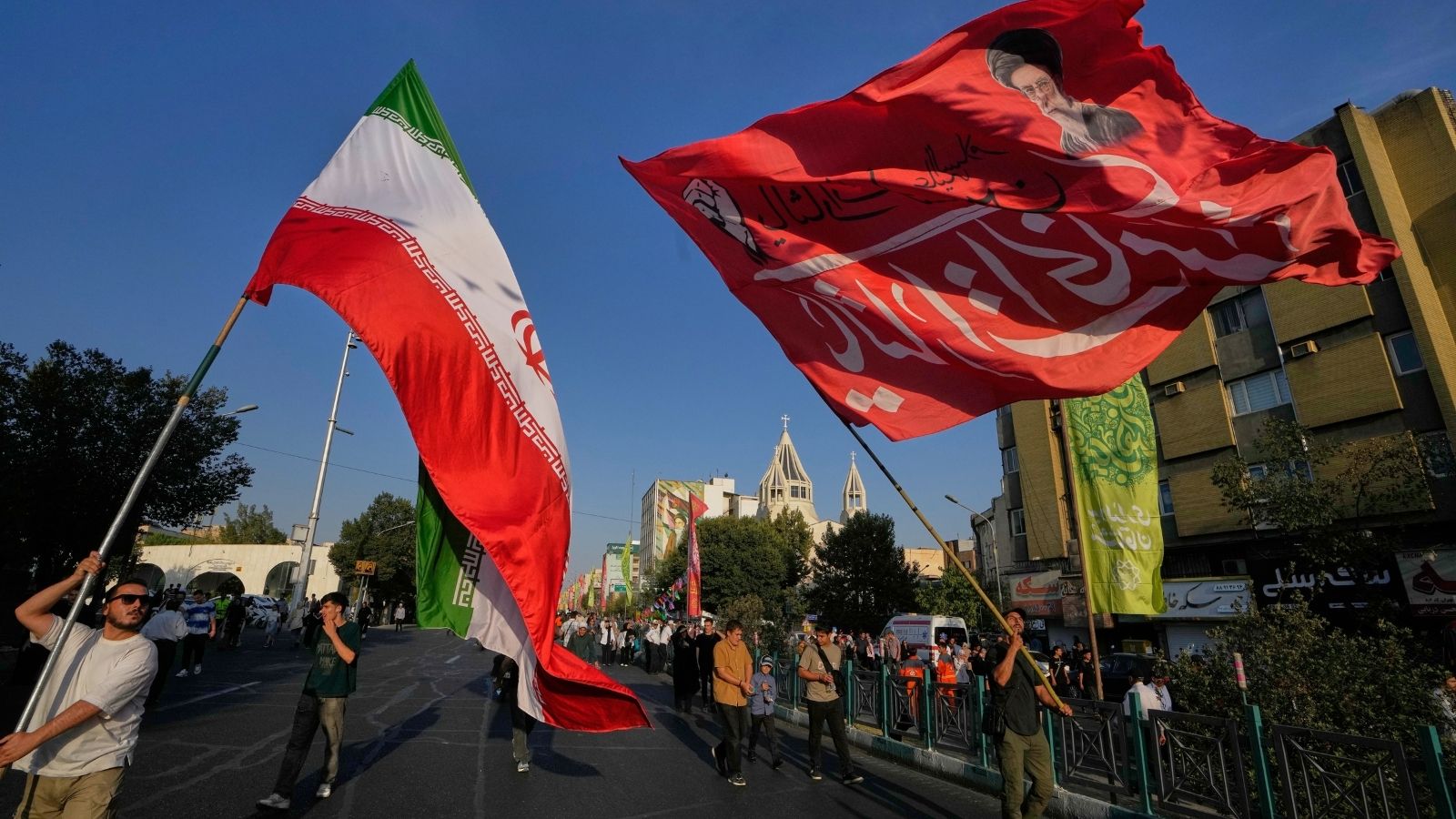
You have to look at the map to understand the urgency. Both countries operate in tough neighborhoods. During their meeting, the two leaders spent significant time addressing volatile regional developments, including the ongoing crisis in West Asia.
Earlier this year, Yerevan quietly proved its diplomatic and logistical value when Pashinyan's administration assisted in facilitating the evacuation of Indian nationals stranded in Iran during regional escalations. That operational support didn't go unnoticed in New Delhi. When Modi congratulated Pashinyan on his parliamentary election victory back in June, it signaled a personal and political rapport that bypasses bureaucratic red tape.
Furthermore, trade corridors like the International North-South Transport Corridor (INSTC) and discussions around regional connectivity frameworks are moving from whiteboards to execution. Armenia sits squarely on historic trade routes, and India is eager to bypass traditional bottlenecks to reach European and Eurasian markets.
Practical Takeaways from the Bishkek Dialogue
If you run a business, track regional security, or study emerging trade routes, you shouldn't ignore what's happening between these two nations. Watch these specific sectors over the next twelve months:
- Pharmaceutical Exports: Regulatory fast-tracking for Indian generic drug manufacturers entering the Armenian market is accelerating.
- Technology and Space Collaboration: Joint ventures in software development, IT services, and space applications are transitioning from early talks to active project pipelines.
- Logistics and Transit: Look for updates on transport connectivity initiatives that link Indian ports through Iran up into the Caucasus and beyond.
Diplomacy works best when mutual interests collide at the right moment. New Delhi and Yerevan figured out that they need each other to balance larger regional pressures. Expect more joint announcements, trade delegations, and security frameworks to drop before the year wraps up.