Paper is a quiet material. It does not shout. It does not carry the concussive force of an iron gate slamming shut or the high-pitched whine of an engine idling at a checkpoint in the West Bank. Yet, across decades of occupation, curfews, and the slow, grinding erosion of ordinary existence, Raja Shehadeh kept writing.
He wrote on cheap pads. He wrote when the electricity flickered out and the room smelled of kerosene and damp stone. He wrote because the alternative to recording the daily humiliation of survival is letting someone else write your history for you. And history, when left to the victors or the occupiers, tends to sand down the jagged edges of human suffering until nothing is left except a sterile statistic.
Now, those private diaries—the fragile, ink-stained testimony of a Palestinian lawyer and writer who watched his homeland transform sentence by sentence—have found a permanent sanctuary. They have moved to a new home, preserved for posterity, ensuring that the private cost of public history will never be casually swept away.
Think about what a diary actually is. It is not a book. A book is meant for you, the stranger sitting across the aisle on a train, or the student hunched over a library carrel under a harsh fluorescent light. A diary is a letter written by your present self to your future self, slipped inside a bottle and tossed into a very dark ocean. Shehadeh did not write these entries knowing an archivist would one day white-glove them into a climate-controlled vault. He wrote them because his world was fracturing, and keeping track of the shards was the only way to stay sane.
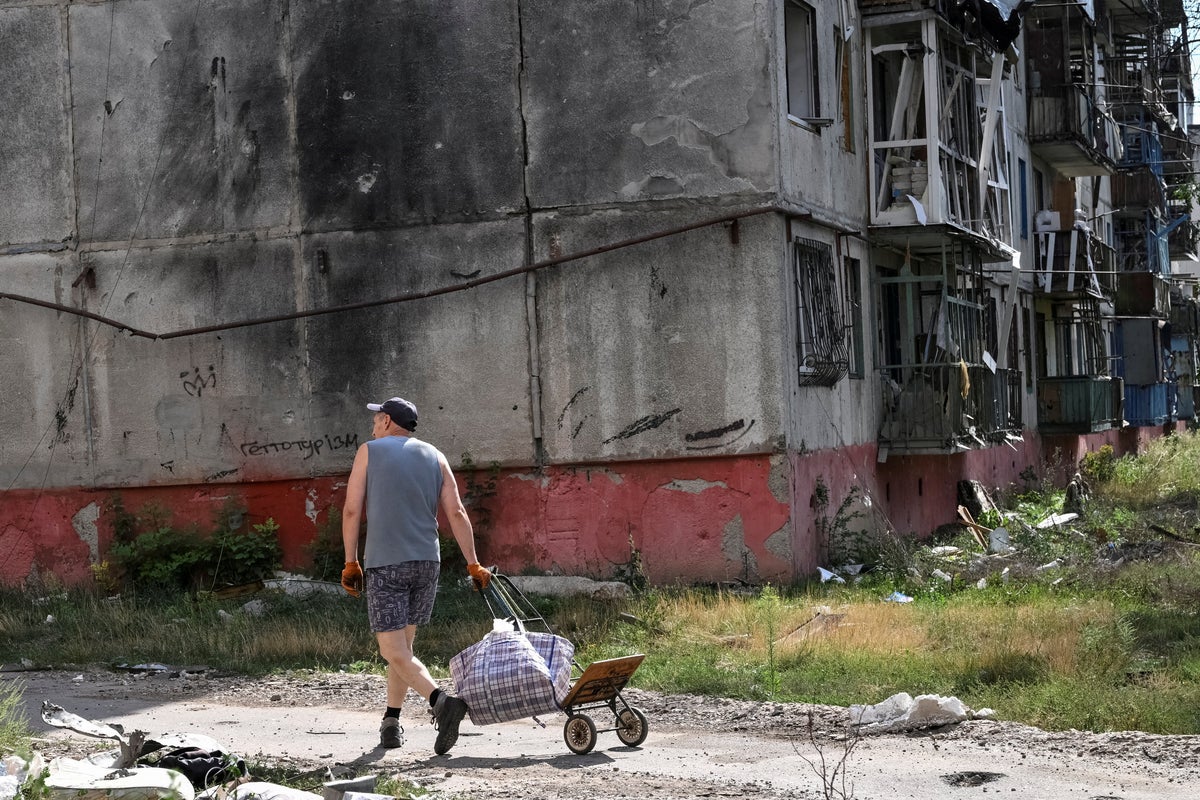
When you walk through Ramallah on a normal Tuesday, the air tastes of roasting coffee beans, car exhaust, and dust kicked up by old tires. But underneath the bustling facade lies a profound fragility. Every street corner bears the invisible weight of permits denied, ancient olive groves uprooted by bureaucratic decree, and the endless waiting. Waiting for permission to travel. Waiting for a house not to be demolished. Waiting for the evening news to confirm whether a neighbor's son made it home through the barricades.
Shehadeh’s diaries capture that waiting better than any journalistic dispatch could. Journalism tells you what happened at noon. A diary tells you how long the hour between noon and one o'clock felt when you were sitting behind a locked door, listening to footsteps on the gravel outside, wondering if they belonged to soldiers or neighbors.
For years, these papers lived in the messy, breathing chaos of his study. They gathered the dust of a changing city. They absorbed the humidity of Mediterranean summers and the chill of winters where heating oil was a luxury rationed by circumstance. They were vulnerable. A single spark, a dawn raid, or a mold-laden damp spell could have erased decades of witness in an instant.
The relocation of these archives is an act of resistance against disappearance.
Powers that seek to dominate a landscape rarely rely solely on physical force. They wage a parallel war on memory. They rename streets. They bulldoze ancient terraced hillsides and plant alien pines to blot out the terraced identity of the land. They insist that the people living beneath their boots have no culture, no deep roots, no legitimate claim to the morning sunlight. Against this systematic erasure, a stack of handwritten notebooks becomes dangerous. It is a paper fortress. It asserts a stubborn, unyielding truth: We were here. We saw this. We felt every single second of it.
Consider the sheer domesticity of resistance. We tend to imagine heroes as grand figures standing on barricades with flags snapping in the wind. We picture megaphones, tear gas, and dramatic speeches. But the vast majority of human endurance looks entirely unremarkable from the outside.
It looks like Raja sitting at a small wooden desk by lamplight.
It looks like dipping a pen into ink while a curfew siren wails down the valley.
It looks like dating a page with trembling fingers, noting that the milk delivery never arrived because the checkpoint was closed for no reason at all.
This is the texture of the archive that has now found its safe harbor. Scholars decades from now will open these boxes. They will smell the aging paper. They will trace the slight variations in Shehadeh's handwriting—how the letters slant upward when a moment of unexpected grace breaks through the gloom, and how they cram tightly together, almost biting one another, on the nights when the patrols are rolling through the alleys.
They will read about the legal battles he fought, trying to navigate a court system rigged against his very existence. They will read about the loss of friends, the subtle shifts in the landscape, and the stubborn persistence of olive harvests gathered under the watchful eyes of armed strangers.
We often talk about archives as dead things. We picture dusty basements where institutional history goes to sleep. But a living archive—one born from the crucible of occupation and displacement—is a pulse under glass. It is a heartbeat refusing to flatline.
When a writer’s life work transitions from a private desk to an institutional home, something shifts. The papers stop being merely personal mementos of a man trying to survive his own era. They become public property. They transform into a shared mirror for anyone willing to look closely at what happens when human dignity collides with state-sponsored erasure.
The ink on those pages was mixed with anxiety, grief, and a stubborn, defiant clarity. It did not dry up when the printers were shuttered or when the roads were blocked. It soaked deep into the fibers of the cellulose, waiting for the day when the world outside might finally pay attention to the quiet devastation happening just beyond the headlines.
The gate of the archive closes with a heavy, muffled click. Inside, the notebooks rest side by side in the dark, breathing slowly, keeping watch over the stories that refused to die.