$10 million. That's not the revenue of a mid-sized suburban business; it's the value of baby formula, skincare, and electric toothbrushes stripped from Australian supermarket shelves by a single organized network. Victoria Police just blew the lid off a massive "theft-to-order" ring, and the details coming out of the investigation are wild.
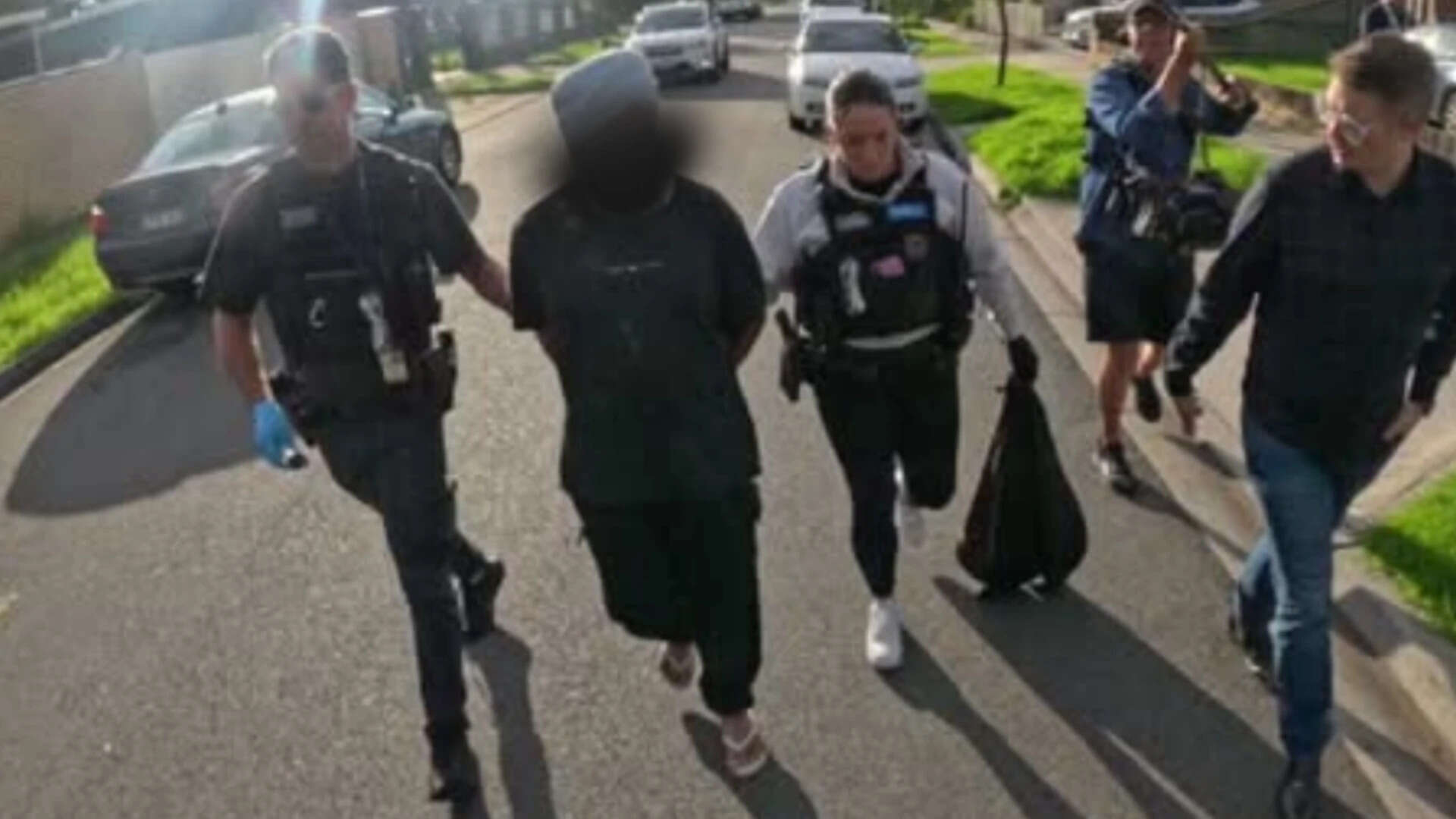
Among the 31 people arrested is a 39-year-old Indian national who’d been living in the country on an expired visa. Police say this one guy alone is responsible for swiping roughly $160,000 worth of goods over just a few months. He’s facing 68 counts of theft. If you think shoplifting is just some kid pocketing a candy bar, you're looking at the wrong picture. This was industrial-scale looting. If you found value in this piece, you might want to look at: this related article.
How a Theft to Order Model Actually Works
This wasn't a bunch of random individuals acting on impulse. It was a coordinated business. The group operated on a model where specific items were targeted based on black market demand. Think of it like a dark mirror of a legitimate supply chain.
- The Targets: High-value, easy-to-resell items like baby formula, expensive vitamins, designer skincare, and high-end electric toothbrushes.
- The Logistics: Thieves didn't just hit the shop down the street. They traveled long distances—from Melbourne to Ballarat and Geelong—to hit multiple locations and avoid immediate detection.
- The Hand-off: Stolen goods were funneled to "receivers" who handled the distribution and sales, turning grocery aisle staples into cold hard cash.
Honestly, the scale is what gets me. Victoria Police noted that 18 people involved in this specific web have already been jailed. Ten others are currently sitting in courtrooms waiting to see if they’re next. It’s part of a massive crackdown called Operation Pulse, which has seen over 1,000 arrests related to retail crime across the state. For another perspective on this story, see the recent update from BBC News.
Why Shoplifting is Spiraling Out of Control
You’ve probably noticed more security guards at your local Coles or Woolworths lately. It’s not just for show. Retail theft is currently one of the fastest-growing crime categories in Australia.
But why now?
While cost-of-living pressures play a role in minor thefts, these $10 million rings are driven by pure profit. There’s a thriving secondary market for Australian products, particularly overseas and on social media marketplaces. When people buy "discounted" baby formula from a random guy on the internet, they’re often unknowingly funding these syndicates.
The 39-year-old Indian national mentioned in the police reports represents a recurring theme in these busts: individuals on precarious visa statuses being pulled into—or driving—organized crime networks. It's a messy intersection of immigration issues and criminal opportunism.
The Real Cost to You
Don't let anyone tell you this is a "victimless crime" against big corporations. Supermarkets don't just eat these losses; they pass them on. Every time a ring like this clears out a shelf, the price of your weekly groceries ticks up a little higher to cover the "shrinkage."
We're also seeing the "fortress retail" trend. More items are behind glass. More AI-powered cameras are watching your every move at the self-checkout. It makes for a miserable shopping experience, and you can thank the $10 million theft rings for that.
What Happens From Here
Police haven't ruled out more arrests. They’re digging deeper into the "receivers"—the people who actually turn the stolen goods into money. Without a way to sell the product, the thieves have no reason to steal.
If you want to help stop this cycle, it’s basically common sense: stop buying "new in box" high-value items from unverified sellers on Facebook Marketplace or eBay if the price looks too good to be true. It probably is. If you're buying skincare for 50% off from a guy in a parking lot, you're looking at the end of a very long, very illegal supply chain.
Stay vigilant, and maybe actually say thanks to the security guard next time you're buying milk. They're fighting a much bigger war than most of us realize.