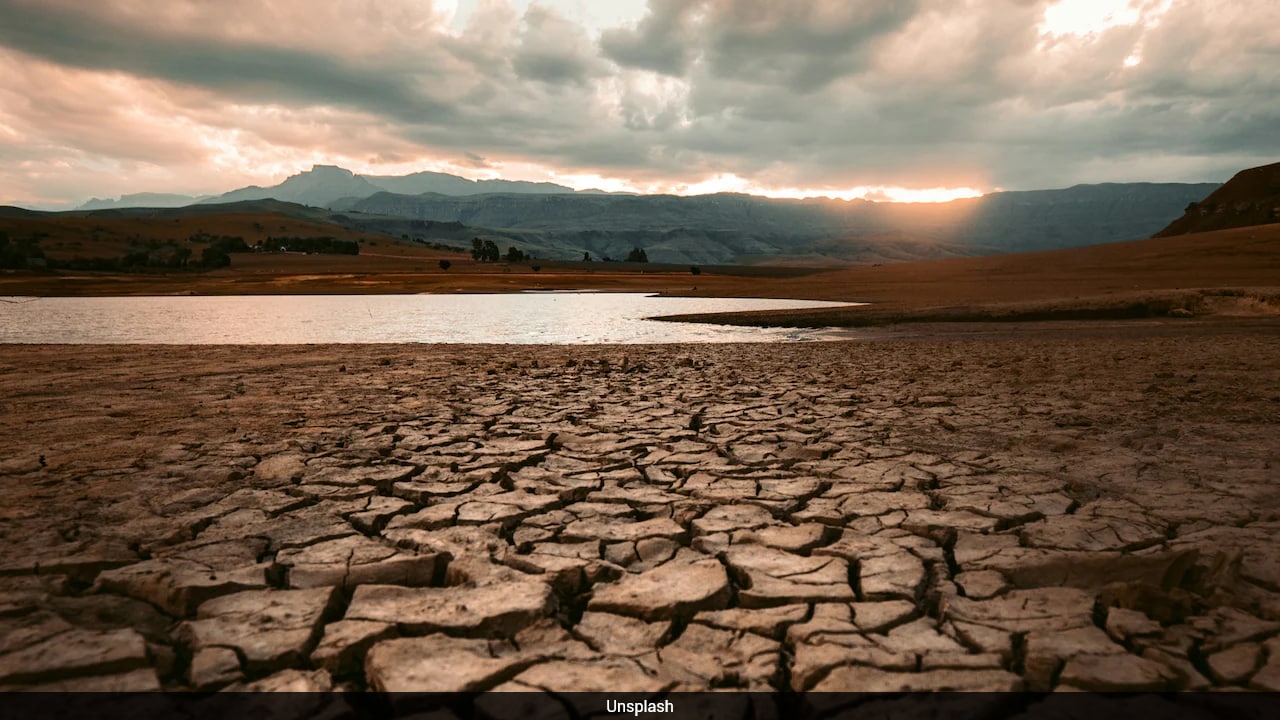
Municipal water scarcity in the United States is no longer a dystopian projection for the distant future. It is happening right now in municipal planning offices, falling water tables, and overstressed river basins across the American West and Southwest. When people ask which major American city is closest to running out of municipal water, attention immediately turns to the arid expanses of the Colorado River basin, where urban centers like Phoenix and Las Vegas grapple with the reality of overallocated supplies. Yet the crisis extends far beyond the desert southwest. Towns and mid-sized cities from California to Georgia face acute supply failures driven by compounding factors: archaic water rights laws, explosive population growth, agricultural depletion of aquifers, and decades of infrastructural neglect.
Understanding why municipal water systems fail requires looking past simple weather patterns. Drought acts as an accelerant, but the structural foundations of the crisis were built a century ago. When legal frameworks for water allocation were established in the American West through the doctrine of prior appropriation, total water volumes were vastly overestimated. Lawmakers carved up rivers based on measurements taken during abnormally wet decades. Mother Nature did not sign the contract. As populations surged and agricultural demands intensified, municipalities began drawing down underground aquifers at rates that defy basic mathematics. An aquifer is a savings account. Constant withdrawals without corresponding deposits inevitably lead to an empty vault.
The Illusion of Abundance
For decades, the average American turned on a tap and trusted the infinite supply. This psychological comfort created a dangerous policy lag. Water rates remained artificially low, subsidizing waste while municipal utilities deferred billions of dollars in pipe replacements, treatment plant upgrades, and leak detection programs.
Infrastructure leakage alone accounts for the loss of billions of gallons of treated drinking water every single day in the United States. Aging cast-iron and lead mains crack beneath the asphalt, quietly bleeding resources into the soil before reaching a single home. Fixing these systems requires massive capital expenditure. Raising taxes or utility rates to fund these repairs remains politically toxic, so elected officials frequently kick the can down the road.
Meanwhile, commercial and residential development has continued unabated in regions that lack the hydrological capacity to support sprawling green lawns and industrial cooling towers. Local governments often prioritize short-term property tax revenues over long-term resource security. Developers build subdivisions, the water meters spin, and the underlying water table drops another few feet. This disconnect between real estate expansion and environmental limits is the core engine of the modern municipal water shortage.
Agricultural Realities and Legal Gridlock
Any serious examination of American water scarcity must confront the agricultural sector. Agriculture accounts for roughly eighty percent of total water consumption in the western United States. Irrigating crops like alfalfa, cotton, and almonds in hyper-arid climates consumes massive quantities of liquid wealth.
Much of this water is governed by senior water rights established in the nineteenth century. Under the law of prior appropriation, whoever held the rights first gets their full allocation, regardless of scarcity. If a senior agricultural right holder is legally entitled to take every drop from a shrinking river, junior municipal users downstream receive nothing. Attempting to reform these century-old legal doctrines sets off vicious interstate and inter-industry legal battles that can stall policy changes for decades.
Courts are reluctant to upend established property rights, even when those rights threaten the survival of entire communities. Water banking and voluntary fallowing programs have emerged as experimental tools to bridge the gap, paying farmers to leave fields dry and lease their water to nearby cities. These programs offer a partial cushion, yet they remain vulnerable to market volatility and high transaction costs. When the price of hay spikes, farmers choose to farm, and the municipal buffers shrink.
The Groundwater Blindspot
Surface water gets the headlines. Reservoirs like Lake Mead and Lake Powell make dramatic photographs as their shorelines recede, exposing white bathtub rings of mineral deposits on canyon walls. But the hidden crisis unfolds underground.
The Ogallala Aquifer, which spans the Great Plains from South Dakota to Texas, feeds a massive portion of American agriculture and numerous rural municipalities. In many areas, water is being pumped out at rates multiple times higher than the natural recharge rate from rain and snowmelt. Once an underground aquifer compacts due to extraction, its capacity to hold water is permanently destroyed. The ground literally sinks, cracking foundations, damaging canals, and ruining infrastructure on the surface.
Municipalities relying on deep wells find themselves drilling deeper and deeper, chasing a receding water table while encountering naturally occurring contaminants like arsenic and salinity that require expensive, energy-intensive filtration technologies. Reverse osmosis and advanced desalination plants offer technical fixes, but the financial and environmental costs are staggering. Pumping saline brine back into ecosystems or disposing of concentrated chemical waste creates secondary environmental hurdles that local governments struggle to manage.
Rethinking Urban Growth and Policy
Solving this crisis requires abandoning the assumption that growth can continue indefinitely without regard for carrying capacity. Municipalities need mandatory water-efficiency standards for all new construction, moving far beyond low-flow toilets to mandate greywater recycling systems, drought-tolerant landscaping, and smart metering that alerts homeowners to hidden leaks within hours.
Industrial users must face tighter consumption caps and tiered pricing structures that penalize waste. At the same time, federal and state regulators must provide funding frameworks that help cash-strapped municipalities overhaul leaking distribution networks before crisis strikes. Waiting for a catastrophic system failure before investing in resilience guarantees higher costs and severe social disruption.
The warning signs have flashed for years. The margin for error has vanished, and the era of cheap, limitless tap water is over. Preserving the viability of growing cities depends entirely on whether political leaders possess the courage to prioritize long-term survival over short-term expansion