The buzz of a small quadcopter changes everything. In the liberated streets of Kherson, life stops the moment a remote-controlled drone locks onto a target. This isn't a combat zone skirmish. It's a calculated campaign of terror.
Locals call it a "human safari". Russian military units stationed just across the Dnipro River use first-person-view and standard DJI-style drones to hunt unarmed civilians. They drop hand grenades and shrapnel charges on people walking to grocery stores, riding bicycles, or driving ambulances.
Why Kherson Became a Testing Ground for Aerial Violence
Geography dictates this nightmare. When Ukrainian forces pushed Russian troops back across the Dnipro River in late 2022, they created a unique and perilous frontline. The river acts as a dividing line, leaving Kherson's neighborhoods sitting within spitting distance of occupying forces.
Without needing long-range missiles, Russian operators sitting miles away use cheap, commercially available drones to peer into city streets through high-definition cameras. They watch their screens like video gamers. They pick their targets with chilling intimacy.
According to data from human rights organizations and open-source intelligence groups like Tochnyi, the scale of violence is staggering. United Nations reports indicate that hundreds of civilians have been killed and thousands wounded by these deliberate drops. Vehicles are a primary obsession. Ambulances, public buses, and private cars routinely get blasted to pieces on routine supply runs.
The Mechanics of Daily Terror
You might wonder why anyone stays. Many residents are elderly or lack the financial means to relocate deeper into Ukraine. They adapt in grim, defensive ways.
Communities string up anti-drone mesh nets over alleys. People listen constantly to the distinctive hum overhead. If a drone pursues you down a residential street, dodging behind a delivery van or a concrete wall is sometimes the only thin barrier between life and a catastrophic shrapnel injury.
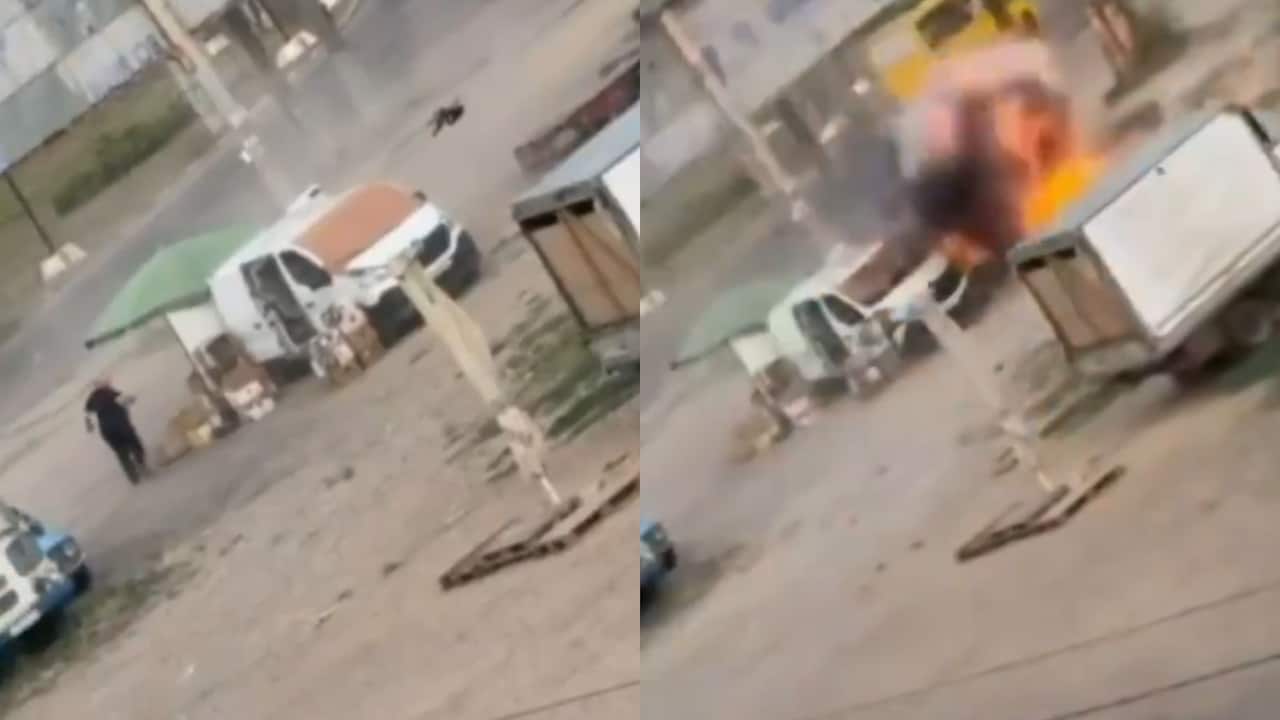
Footage of these hunts regularly surfaces online, sometimes celebrated on pro-war social media channels by operators who treat civilian execution as a sport. When a vegetable vendor is chased around a trailer by an explosive payload until it detonates, it exposes a total breakdown of military ethics. It's a strategy designed to depopulate entire municipal districts through sheer, unyielding psychological trauma.
Countermeasures and Global Implications
Ukraine's electronic warfare units are fighting back hard. Interceptor systems and signal-jamming equipment down thousands of incoming quadcopters every month. Yet, the sheer volume of cheap hardware means a fraction always slips through.
Military analysts warn that what happens on the banks of the Dnipro won't stay in Ukraine. As cheap drone technology proliferates globally, the tactics perfected in these frontline cities offer a dark preview of modern urban warfare. International bodies have classified these acts as war crimes and crimes against humanity, but legal declarations do little to stop the next battery pack from charging across the river.
The threat demands immediate, upgraded air defense layers for municipal infrastructure, specialized anti-drone gun crews on every corner, and expanded electronic shielding to protect non-combatants before more lives are claimed from the sky.
This video provides an on-the-ground look at Kherson's daily life under constant drone surveillance and the protective measures residents use to survive.
http://googleusercontent.com/youtube_content/1