Diplomacy in the Middle East rarely moves in a straight line. It stutters, breaks, retreats into shadow meetings, and occasionally produces an unexpected alignment between sworn adversaries.
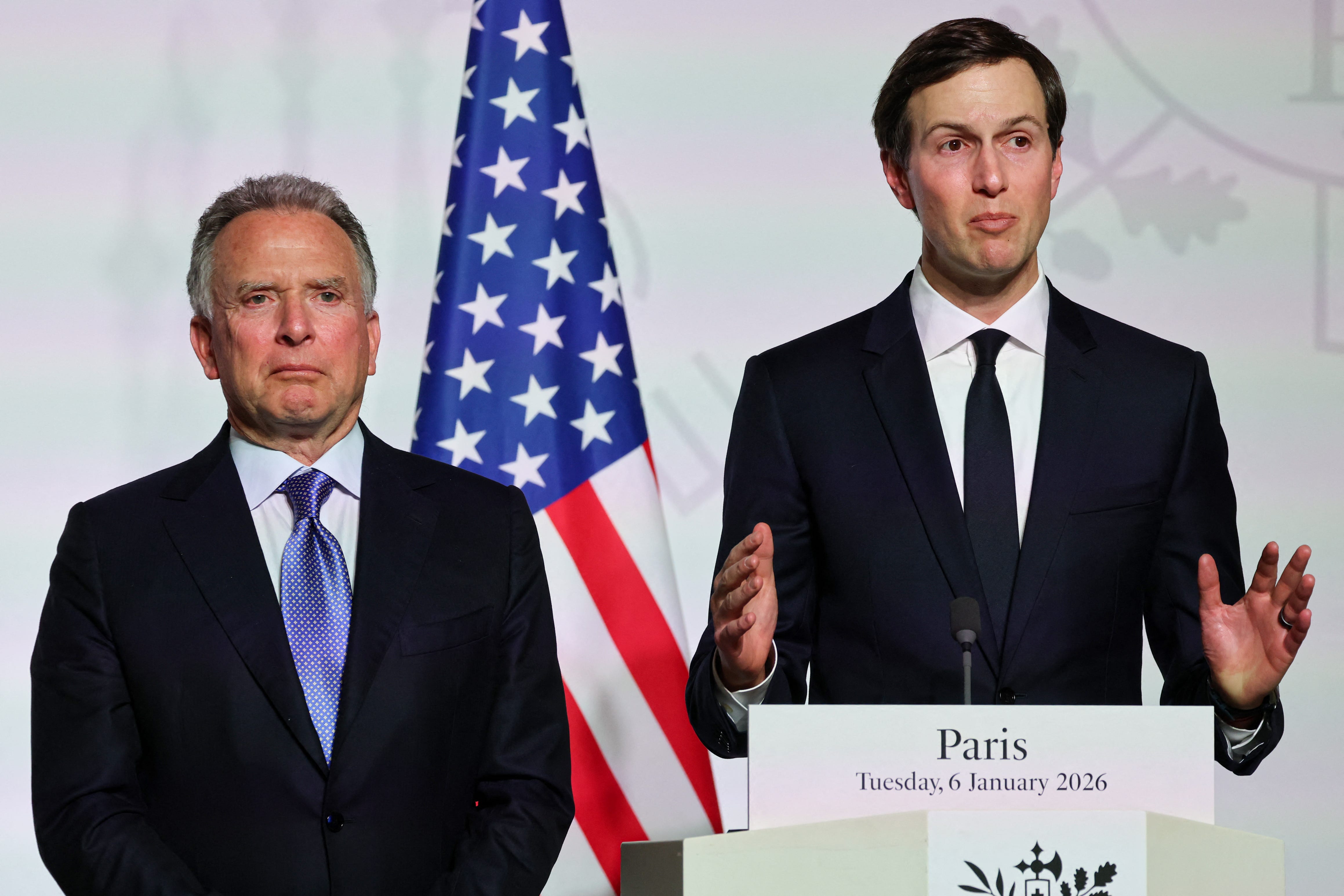
Recent high-stakes gatherings in Cairo and El-Alamein center on reviving a stalled American roadmap for the Gaza Strip. Donald Trump’s envoys, including Jared Kushner and Gaza envoy Nickolay Mladenov, have engaged directly with Egyptian, Qatari, Turkish, and crucially, Hamas officials to salvage a fifteen-point peace initiative. Yet, even as backchannel negotiations intensify, Israeli airstrikes continue to pound targets in Khan Younis and Nuseirat, demonstrating the fragile and volatile nature of the ground reality. You might also find this connected article interesting: The Structural Mechanics of Diaspora Mobilization Quantifying the New Jersey Flagpole Record.
Understanding why this diplomatic push matters requires looking past the surface headlines of routine political posturing. The friction points are structural, deep-rooted, and tied directly to the survival strategies of every party involved.
The Mechanics of the Stalled Roadmap
At the core of the current diplomatic crisis is an irreconcilable gap over sequencing. The U.S.-backed framework outlines an immediate cessation of military operations, a phased withdrawal of Israeli forces, the disarmament of Hamas, and the transfer of administrative control to a new civilian Palestinian body. As highlighted in detailed coverage by USA Today, the implications are significant.
For Washington and regional mediators, the plan offers a exit ramp from a devastating conflict. For Israeli Prime Minister Benjamin Netanyahu, the terms presented a bridge too far. Netanyahu publicly rejected the framework, insisting that Israeli forces will maintain their current security perimeter and operational freedom until Hamas is entirely disarmed.
This disagreement is not merely semantic. It touches upon fundamental security guarantees. Israel views Washington's push to curb targeted assassinations of reorganizing militant cells as a dangerous concession that invites a resurgence of armed threat. Conversely, Hamas insists that international guarantors must compel Israel to halt offensive actions and commit to concrete withdrawal timetables before any transfer of weapons occurs.
The Cairo and El-Alamein Negotiations
The recent diplomatic choreography highlights an aggressive U.S. posture. Jared Kushner’s face-to-face discussions with Hamas leader Khalil Al-Hayya mark an unusual direct engagement channel designed to bypass traditional diplomatic friction. Mediators from Egypt and Qatar have worked overtime to bridge positions, while regional heavyweights—including Saudi Arabia, the United Arab Emirates, Jordan, Turkey, Pakistan, and Indonesia—have issued stern joint statements condemning Israel's rejection of the framework.
These regional powers share a common anxiety. Prolonged instability in Gaza feeds broader regional volatility, straining bilateral ties and complicating economic initiatives across the Middle East. By aligning behind the U.S. initiative, these nations are attempting to pressure both Israel and Hamas into accepting administrative compromises that neither side naturally favors.
Down on the ground, the human toll compounds by the day. Medics in Gaza report ongoing casualties from strikes hitting makeshift tent encampments and residential buildings. These military actions serve a dual purpose for the Israeli military command: maintaining tactical pressure on remaining insurgent cells while signaling political dissatisfaction with the terms being negotiated in Egyptian hotels.
The Upcoming Confrontation in Jerusalem
The ultimate test of this diplomatic offensive arrives when the American envoys travel to meet Netanyahu directly. Washington's negotiators carry a dual message. They bring the backing of key Arab and international allies, alongside the weight of a presidential initiative that demands tangible movement.
However, pressure from foreign capitals rarely overrides domestic political survival in Jerusalem. Netanyahu faces an intense domestic calculus where appearing soft on security or conceding to premature withdrawals carries severe political costs. The demand for verifiable, total disarmament remains non-negotiable for the current Israeli coalition, creating a brick wall against Washington's desire for a swift diplomatic win.
The diplomatic machinery will continue to grind through these contradictions. Whether the backchannels in Cairo can overcome the reality of ongoing airstrikes and entrenched political resistance depends entirely on whether either side decides that the cost of continued stalemate outweighs the risks of compromise.