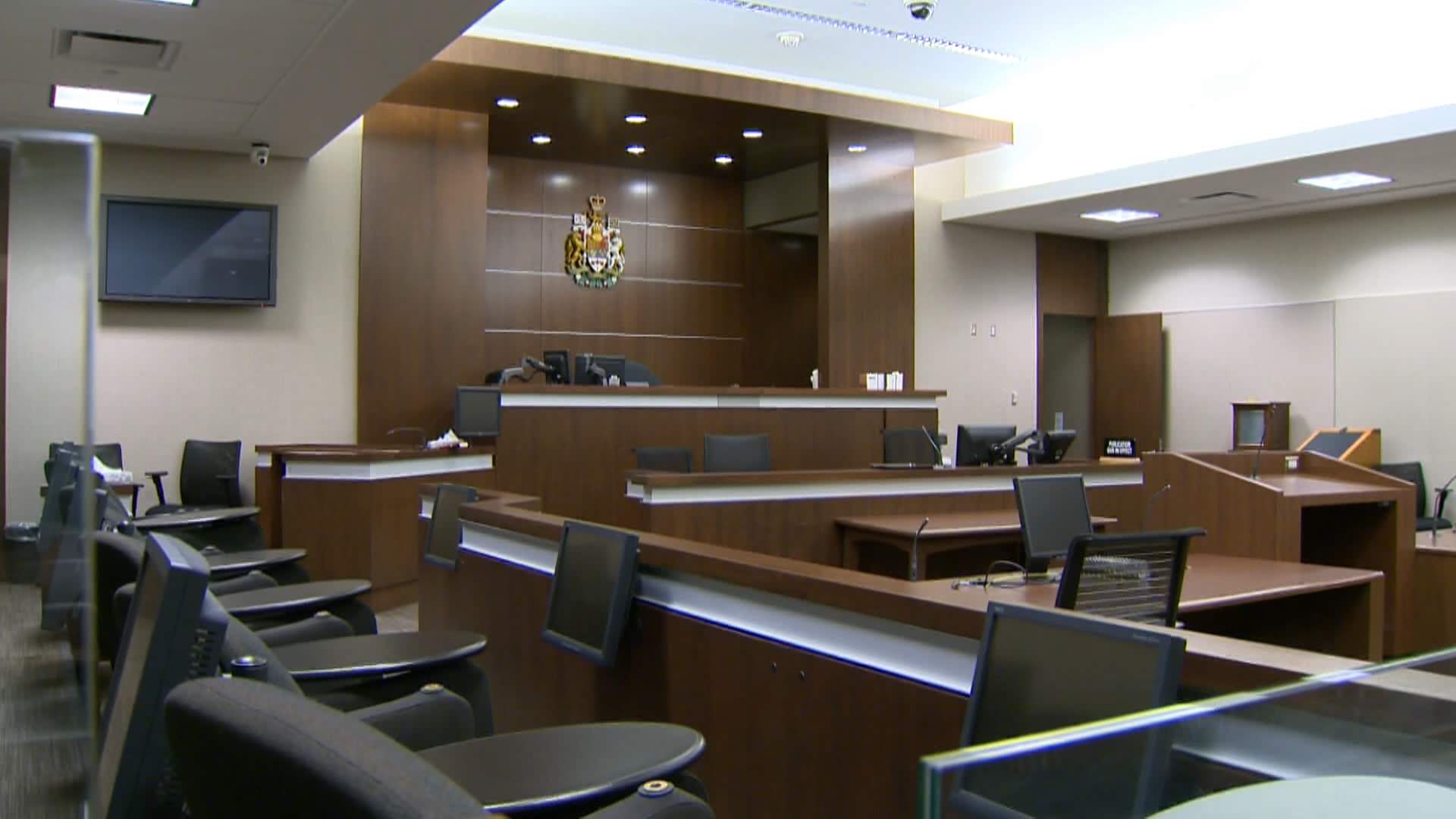
Investigators handling a high-profile corruption probe in Calgary have retained multiple mobile devices seized during their investigation, including a smartphone belonging to former Calgary Mayor Jyoti Gondek. The seizure and continued retention of these devices highlight a broadening investigation into municipal breach of trust, procurement irregularities, and municipal influence-peddling. For months, law enforcement agencies have refused to release the hardware back to civic officials. They cite the technical complexity of extracting encrypted data and the necessity of preserving digital chain of custody. What began as an internal administrative inquiry has transformed into a sweeping criminal examination of how decisions were made inside the highest office of Calgary municipal government.
Power leaves a digital footprint. Every text message, deleted WhatsApp exchange, location ping, and calendar invitation forms an immutable chronicle of how public authority interacts with private interests. When law enforcement agencies execute search warrants on sitting or former elected leaders, they rarely target the physical device for its hardware value. They target the metadata—the unseen scaffolding of timestamps, cell tower handoffs, and encrypted key exchanges that prove who knew what, when they knew it, and who attempted to cover their tracks. Don't forget to check out our previous post on this related article.
Anatomy of a Digital Seizure
Police do not hold onto high-profile smartphones out of spite or administrative sluggishness. They hold them because modern mobile forensic analysis is a legal and technical battlefield.
When officers seize an iPhone or Android device from a top public official, the immediate priority is preventing remote wiping. Devices are immediately placed into specialized signal-blocking Faraday bags to sever cellular, Wi-Fi, and Bluetooth connections. Once isolated, forensic technicians face the daunting task of bypassing system encryption without triggering automated device wipes. Specialized hardware systems are deployed to extract two distinct types of data: logical extractions, which copy visible files and databases, and physical extractions, which read raw flash memory bits directly from the storage chips. To read more about the context of this, Al Jazeera offers an excellent breakdown.
The process takes time. Months, usually.
Forensic tools must process gigabytes of unstructured data, rebuilding damaged SQL databases, parsing unallocated storage space for overwritten text messages, and decrypting application-specific keystores. If a target utilized privacy-focused messaging software with ephemeral messaging features enabled, technicians must scour system logs for residual cache files that survived memory garbage collection.
Every single bite of data retrieved must survive rigorous evidentiary challenges in court. Defense attorneys systematically attack digital evidence by questioning chain of custody, software validation protocols, and the potential for file corruption during extraction. If a forensic analyst makes a single procedural misstep during the physical dump of a mayor's phone, the entire record can be ruled inadmissible. That reality forces investigative units to move at a slow, painstaking pace, keeping physical hardware locked in evidence vaults long after the initial search warrants are served.
The Institutional Fallout at Calgary City Hall
A city hall operating under the shadow of impounded communications is a paralyzed institution.
When a former mayor's official and personal devices are retained in a corruption inquiry, the legal reverberations echo through every department. Municipal staffers who once routinely texted elected officials suddenly find themselves retaining private legal counsel. Bureaucrats double-check routine procurement files, zoning decisions, and consultant contracts, fearful that their routine administrative signatures might be recontextualized as co-conspiratorial acts within a police affidavit.
The operational friction is immediate.
- Public records officers face insurmountable backlogs when responding to Freedom of Information requests, unable to search primary devices held in police evidence custody.
- Municipal legal teams must navigate complex court sealing orders that restrict what information can be shared with council members or the public.
- City staffers struggle to reconstruct historical policy timelines without access to primary calendar files, chat threads, and email archives.
Transparency suffers first. Civic administrations facing public corruption probes typically default to total institutional silence, hiding behind the boilerplate defense that they cannot comment on active police inquiries. This legal shield protects the integrity of the investigation, but it leaves taxpayers completely in the dark regarding whether their tax dollars were compromised by unlawful influence.
What Digital Forensics Reveal in Civic Corruption Inquiries
Modern corruption rarely involves physical envelopes filled with cash in dimly lit parking garages. It lives inside private messaging threads, scheduled calendar entries with non-registered lobbyists, and subtle changes made to municipal planning documents hours before a public vote.
+------------------+     +-------------------+     +--------------------+
|  Device Seizure  | --> | Signal Isolation  | --> | Hardware Bypassing |
| (Faraday Bag)    |     | (Cut Off Networks)|     | (Extract Raw Flash)|
+------------------+     +-------------------+     +--------------------+
                                                             |
                                                             v
+------------------+     +-------------------+     +--------------------+
| Court-Ready      | <-- | Metadata Cross-   | <-- | Database Rebuild   |
| Evidence File    |     | Referencing       |     | (Recover Deleted)  |
+------------------+     +-------------------+     +--------------------+
Investigators building a municipal breach-of-trust case focus heavily on establishing patterns of unofficial access. They cross-reference raw device data against public records to map out clear networks of covert communication.
Text Logs and Signal Threads
Deleted messages are rarely truly deleted from flash memory. Forensic software scans the unallocated space of a phone storage drive to stitch together fragments of text, revealing real-time commentary between politicians and private stakeholders during active bidding processes.
Location Data and Wi-Fi Handshakes
Cellular tower logs and automated connections to private Wi-Fi networks pinpoint exactly where officials were located when key municipal decisions were finalized. A single automated connection to a developer's private home network can demolish a politician's claim that they never held off-the-record meetings with bidders.
Financial and Calendar Metadata
Timestamps on calendar entries provide the structural timeline for a prosecution. By layering calendar invites over municipal voting records, bank transfer records, and zoning application filings, investigators establish the crucial element of intent required for criminal prosecution under Canadian law.
Structural Vulnerabilities in Canadian Civic Governance
This crisis in Calgary exposes a systemic structural weakness inherent across Canadian municipal politics.
Unlike federal or provincial governments, which operate under strict lobbying registries, ethics commissioners with binding subpoena powers, and robust conflict-of-interest legislation, local councils often operate on an honor system. Municipal ethics watchdogs frequently lack the statutory authority, budget, or investigative tools needed to audit real-time digital communications. They are reactive bodies that rely on self-reporting and voluntary disclosures.
Local councils exercise vast regulatory authority over real estate development, multi-million-dollar infrastructure procurement, and municipal service concessions.
When hundreds of millions of dollars in private land value hang on a single zoning vote, the temptation for interested parties to bypass official public channels and seek direct, unmonitored access to elected leadership is immense. Politicians, operating without the administrative buffer provided to federal cabinet ministers, frequently use personal mobile devices and commercial messaging applications for both private matters and municipal business.
This blending of personal and official communication creates an operational disaster when a police investigation strikes. Investigators cannot simply take the official government communications; they must seize the entire physical device and sift through personal photos, banking records, and family text chains to isolate the relevant public evidence.
The Legal Threshold for Retaining Elected Officials Property
To retain a former mayor's personal hardware for an extended period, police forces must repeatedly demonstrate to a judge that the device contains vital evidence that cannot be secured through any other reasonable legal means.
Canadian law sets a high bar for maintaining long-term control over property seized under a judicial search warrant. Under Section 490 of the Criminal Code, police services must periodically return to court to justify why seized items remain necessary to an ongoing investigation. They must prove active, ongoing analytical work. If an investigation stalls or if police retain property simply as a precautionary measure without actively processing the data, defense counsel can file formal applications for the immediate return of the property.
The fact that Calgary police and oversight bodies continue to hold these devices indicates that judges are routinely satisfied with the progress of the digital analysis. It signals that the material recovered from the hardware is actively shaping the direction of the criminal file.
Investigators do not hold onto a former mayor's personal phone for months on end unless the digital bits inside that device are actively answering—or raising—serious questions about the integrity of city governance.
What the Retention of Evidence Means for the Road Ahead
The retention of mobile devices belonging to prominent political figures is a clear signal that the investigation has moved beyond preliminary fact-finding into deep evidentiary assembly.
As digital forensic teams complete their hardware extractions, the focus shifts from data recovery to legal synthesis. Prosecutors working alongside police units must now evaluate whether the digital logs reveal a clear pattern of criminal breach of trust under Section 122 of the Criminal Code, or whether the actions represent administrative impropriety that falls short of criminal misconduct.
The political consequences for Calgary are already fixed. The prolonged retention of government and personal devices casts a long, persistent shadow over municipal decisions made during the period under scrutiny. Every policy, contract, and municipal development approved while these covert communications were taking place remains subject to public skepticism and potential legal challenge.
Municipal governance relies entirely on the implicit trust of the electorate. When the primary tools used by elected officials to conduct public business end up locked inside a law enforcement evidence vault undergoing forensic examination, that trust breaks down completely. The physical devices sitting in police custody are no longer just communication tools; they are the central evidence in a case that will define the boundaries of ethical municipal power in western Canada for decades.