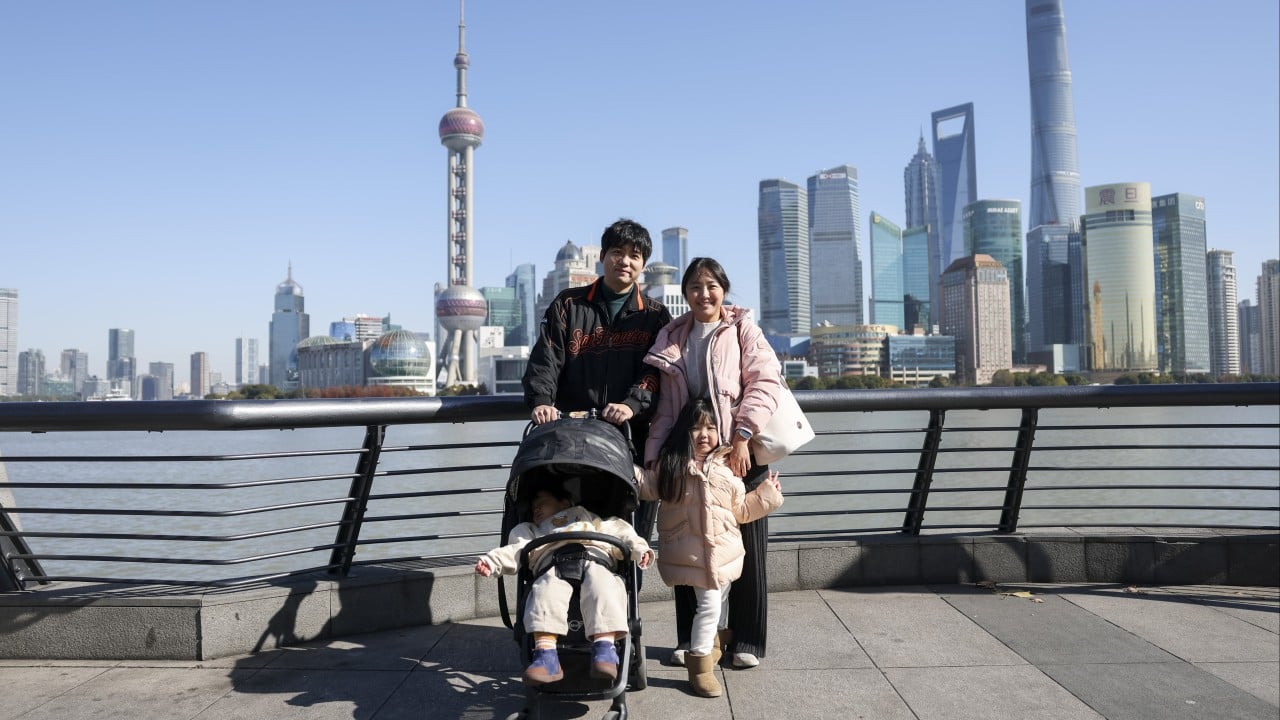
The Friday evening rush at Incheon International Airport looks different now. Instead of long-haul flights packed with travelers embarking on two-week annual vacations, departure boards reveal a massive concentration of short hops across the Yellow Sea.
South Korean travelers are heading to China in unprecedented numbers for quick weekend trips, transforming what used to be a bureaucratic nightmare of embassy queues and paperwork into a spontaneous 48-hour getaway. Flight data and regional tourism metrics confirm that millions of South Koreans are crossing the border for short trips, propelled by a convergence of relaxed visa regulations and intensely competitive airline pricing.
Yet, treating this trend merely as a post-pandemic rebound misses the structural shift occurring beneath the surface. This is not just about pent-up wanderlust. It represents a fundamental recalibration of how neighboring populations interact when administrative friction is abruptly removed.
The Mechanics of the Surge
To understand why weekend trips to China have captured the South Korean imagination, look closely at the calendar and the map. China’s decision to grant visa-free entry for South Korean passport holders visiting for tourism and business completely altered the economic calculus of international travel.
Previously, obtaining a tourist visa required fees, physical document submissions, and days of waiting. For a standard two-week holiday, that friction was annoying but manageable. For a casual Friday-to-Sunday trip, it was an absolute dealbreaker. Removing that barrier turned mainland Chinese metropolises into viable alternatives to domestic destinations like Jeju Island or Busan.
Geography does the rest of the heavy lifting. A flight from Seoul to Shanghai or Qingdao takes roughly ninety minutes to two hours. Passengers often spend more time navigating the security queues at Incheon than they do airborne.
A traveler can leave a desk in Gangnam at six o'clock on Friday evening, check into a hotel on the Bund in Shanghai by ten, and be back at their desk by Monday morning without taking a single day of paid leave. Airlines recognized this shift immediately, flooding the short-haul corridors with high-frequency rotations and budget capacity to capture the Friday-Sunday commuter crowd.
Beyond the Metropolises
While mega-cities like Shanghai, Beijing, and Qingdao soak up the initial wave of weekenders, a secondary wave is pushing outward into regional hubs. Content creators and independent travelers on South Korean social media platforms have popularized lesser-known destinations, documenting high-speed rail networks, ultra-efficient mobile payment ecosystems, and regional gastronomy.
Places that once felt entirely inaccessible to the average weekend tourist due to logistical hurdles are now receiving direct streams of foreign visitors. Travelers exchange tips online regarding digital wallets and navigation apps, effectively bypassing the traditional tour group infrastructure that used to dominate cross-border movement.
This DIY approach changes the economic impact. Instead of spending money through rigid, pre-packaged tour itineraries, these independent visitors inject capital directly into local micro-economies, dining at neighborhood spots, booking boutique accommodations, and utilizing local transit networks.
The Friction Points and Reality Check
Despite the enthusiastic numbers, this cross-border micro-tourism wave faces real limitations. The administrative convenience of visa-free entry does not eliminate every barrier.
Digital fragmentation remains a persistent headache for first-time visitors. Navigating localized payment architectures, authentication protocols, and messaging platforms requires a steep learning curve for travelers accustomed to Western or domestic digital ecosystems. While seasoned travelers adapt quickly, casual weekenders frequently encounter friction when trying to hail rides, order food, or complete basic transactions without local digital infrastructure pre-installed.
Furthermore, the surge exposes capacity bottlenecks during peak travel windows. Weekend flight slots between major South Korean hubs and Chinese coastal cities face intense pricing pressure during holidays, occasionally eroding the cost advantage that makes these short getaways attractive in the first place.
Diplomatic currents also cast a long shadow over consumer confidence. While current bilateral conditions support open borders and high-frequency exchange, historical precedent shows that geopolitical friction can swiftly alter the tourism landscape. Travelers remain acutely aware that policy changes can happen with little notice, adding an element of tactical urgency to current booking patterns.
The rush across the Yellow Sea demonstrates how quickly consumer behavior adapts when friction disappears from international transit. What started as an experimental policy adjustment has evolved into an established routine for a new generation of travelers who view national borders less as rigid walls and more as weekend detours.