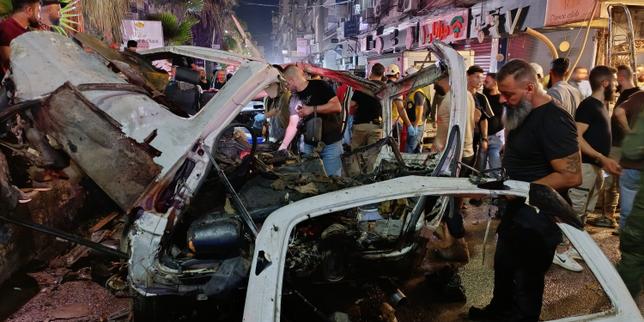
Two lives ended abruptly on a highway outside Damascus when an explosive device tore through a passenger bus. The incident highlights the persistent instability plaguing the region. Years of conflict have fractured infrastructure and left public transit vulnerable to asymmetric attacks. Security analysts continue to examine the mechanics of how these devices bypass checkpoints. Understanding the root causes requires looking beyond the immediate tragedy.
The Anatomy of Transit Vulnerability
Public transportation systems remain primary targets for asymmetric actors. Buses offer high passenger density and minimal physical fortification. A single explosive device can inflict catastrophic casualties with limited resource expenditure.
Security checkpoints line major thoroughfares across the Damascus countryside. Yet, commercial passenger vehicles often experience streamlined checks to maintain basic economic circulation. Insurgent cells exploit these operational bottlenecks. Operatives identify corridors where traffic volume outweighs inspection thoroughfares.
- High passenger density increases casualty potential.
- Limited physical armor offers zero ballistic protection.
- Routine routes provide predictable schedules for hostile surveillance.
Historical Precedents in the Damascus Countryside
Attacks targeting civilian transport are not isolated events. Throughout the Syrian conflict, roadside improvised explosive devices have served as a preferred tactic for destabilization. These methods require minimal technical sophistication compared to complex military assaults.
Historical data shows a clear pattern. When conventional frontlines stabilize, insurgent activity frequently shifts toward asymmetric urban disruption. Commuter routes connecting rural peripheries to the capital city bear the brunt of this tactical shift.
Economic Fallout and Daily Survival
For ordinary citizens, boarding a bus to travel for work or family carries an ongoing psychological toll. The economic crisis forces people to rely on public transit despite the inherent risks. Private vehicle ownership remains out of reach for the majority due to fuel scarcity and currency devaluation.
Commuters calculate risk versus necessity every morning. The central government faces immense pressure to secure these arteries. However, stretched security forces struggle to maintain comprehensive surveillance across thousands of kilometers of secondary roads.
Intelligence Gaps and Counter-Strategy
Preventing these incidents demands intelligence networks capable of intercepting cells before deployment. Traditional military sweeps yield limited results against decentralized networks. Investigators must trace explosive components back to supply chains, a difficult task in an environment marked by informal trade and porous borders.
Regional instability creates an endless supply of volatile materials. Without comprehensive economic recovery and institutional reform, the underlying drivers of civil unrest persist. Security measures alone cannot neutralize threats born from systemic displacement and lack of opportunity.
The road outside Damascus remains heavily monitored, yet the underlying vulnerability persists for every commuter stepping onto a morning bus.