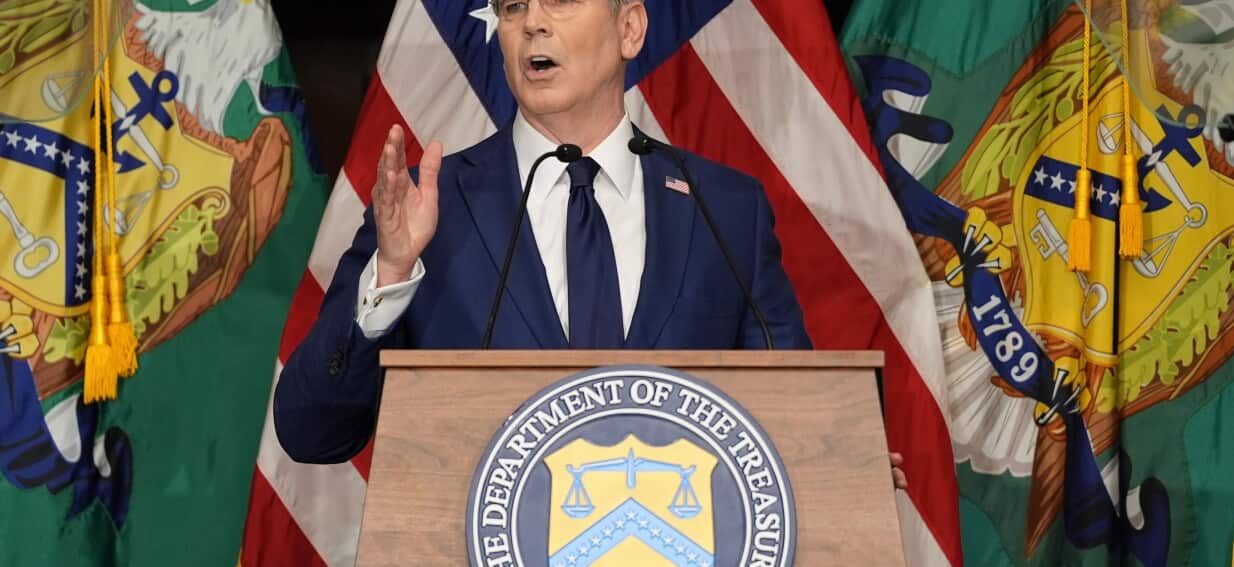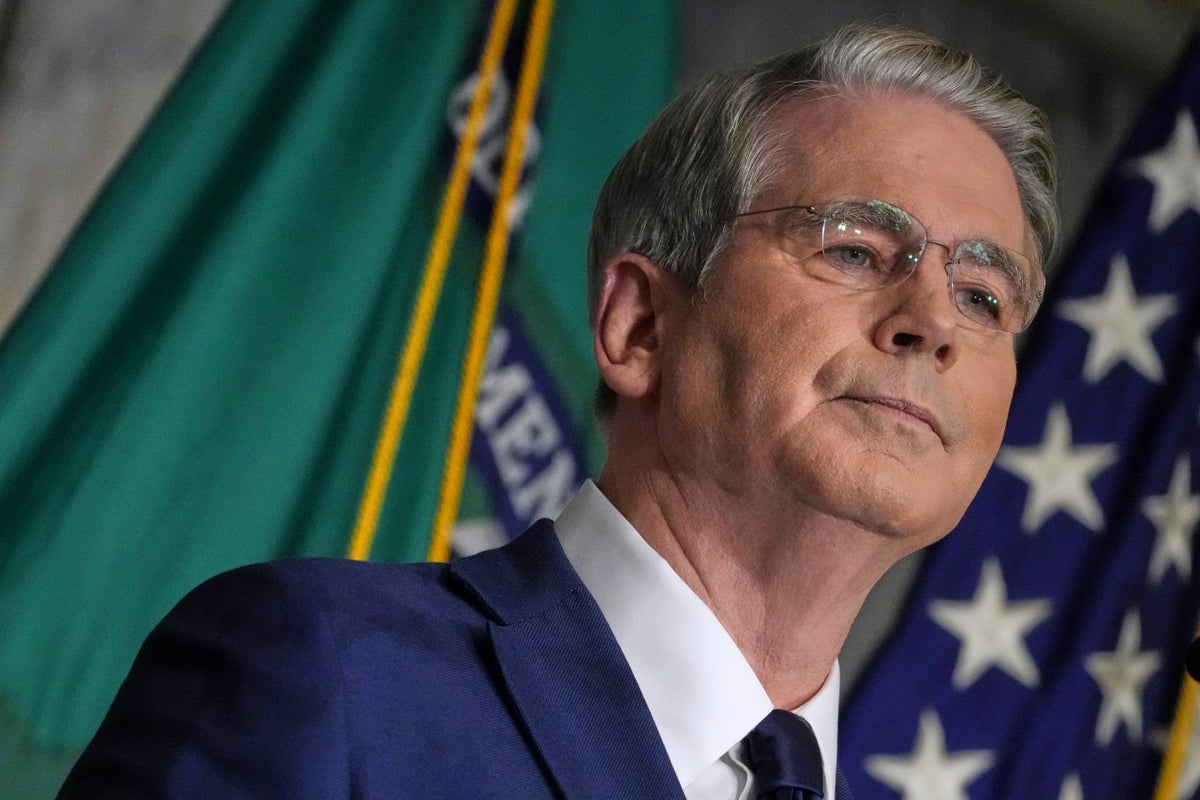
Treasury Secretary Scott Bessent has launched an aggressive campaign dubbed Operation Economic Outcast, warning global entities to sever all financial and commercial ties with Iran or face immediate ejection from the United States dollar system. This maximum-pressure policy forces international markets into a high-stakes ultimatum, demanding that trading partners choose between access to Western financial architecture or continued commerce with Tehran.
The mechanics of this financial offensive rest on secondary sanctions designed to penalize non-U.S. companies and foreign governments that act as economic lifelines for the Iranian state. Washington has spent months mapping shadow-fleet vessel registries, swap lines, cash transfers, and digital asset channels that have historically allowed Tehran to bypass restrictions. By targeting these nodes, the administration aims to isolate the Iranian regime completely. For an alternative perspective, check out: this related article.
Complying with this directive carries immense economic friction for regional trading hubs. Nations like the United Arab Emirates have already moved to suspend commercial exchanges and financial transactions, illustrating the immediate shockwaves hitting Middle Eastern commerce. Trade routes that survived previous rounds of geopolitical hostility are now folding under direct pressure from Washington.
The primary test of this strategy involves Beijing. China absorbs the vast majority of exported Iranian petroleum, operating as the primary engine keeping Tehran's fiscal apparatus breathing. Treasury officials insist that no nation is exempt from secondary enforcement, yet diplomatic realities complicate direct penalties against the world's second-largest economy. Analysts note that executing broad punitive measures against major Chinese entities could destabilize global markets and trigger reciprocal trade retaliations. Similar insight on this matter has been published by NBC News.
Tehran has responded with counter-threats, warning that any state cooperating with the American financial blockade will be treated as an active participant in an economic war. Military and political leadership inside Iran continue to evaluate asymmetric responses, ranging from cyber operations to regional disruptions, maintaining a posture of defiance as the financial noose tightens.
Markets are now racing against an unannounced timeline. The Treasury Department has made it clear that enforcement hammers will fall without prolonged warning once individual compliance windows close, leaving multinational corporations scrambling to audit their supply chains for hidden Iranian touchpoints.