Recovering from major lung cancer surgery on the tenth floor of Rome's Gemelli Hospital, Pope Leo XIV picked up a telephone and dialed the Kremlin. The recipient was Russian President Vladimir Putin. Just days after surgeons removed the lower lobe of his right lung, the 71-year-old pontiff bypassed conventional diplomatic channels to deliver an unvarnished humanitarian plea regarding the war in Ukraine, focusing acutely on the plight of the occupied town of Oleshky.
This high-stakes call bypassed the typical slow-moving machinery of Vatican statecraft. It laid bare an urgent reality about modern spiritual leadership: when physical mortality presses close, traditional protocols of caution are frequently abandoned for direct, unmediated confrontation.
The timing raised eyebrows across foreign ministries from Washington to Kyiv. Most leaders convalescing from a major pulmonary resection are confined to strict regimens of rest and postoperative monitoring. Instead, the American-born Pope chose to spend his physical vulnerability pressing for civilian aid and humanitarian corridors.
Such conversations between the Holy See and Moscow are rarely accidental. They represent a distinct brand of non-state diplomacy that operates outside the standard architecture of international treaties. When a religious leader sits in a hospital gown with an IV line still attached, his moral authority shifts. He is no longer just the head of a global institution; he is a man confronting the absolute limits of his own body, speaking to an autocrat who rules through absolute state control.
The substance of the dialogue went beyond generalized calls for peace. Vatican insiders noted that the pontiff pressed for specific mechanisms of relief, addressing acute vulnerabilities in occupied territories where civilians have borne the heaviest brunt of the conflict. By anchoring his appeal in concrete human suffering rather than abstract geopolitical theory, the Pope cornered the Kremlin into a difficult diplomatic corner. To reject a hospital-bed plea for humanitarian access is to project a harsh image that even state media struggles to polish.
Critics often dismiss these calls as symbolic gestures devoid of enforcement teeth. That critique misses the underlying tactical calculus. Symbolic pressure, when applied by a global moral figure at a moment of personal vulnerability, creates a distinct public relations hazard for leadership in Moscow. It punctures the insulation of the Kremlin war room with a reminder of fundamental human empathy—qualities that authoritarian frameworks constantly work to suppress.
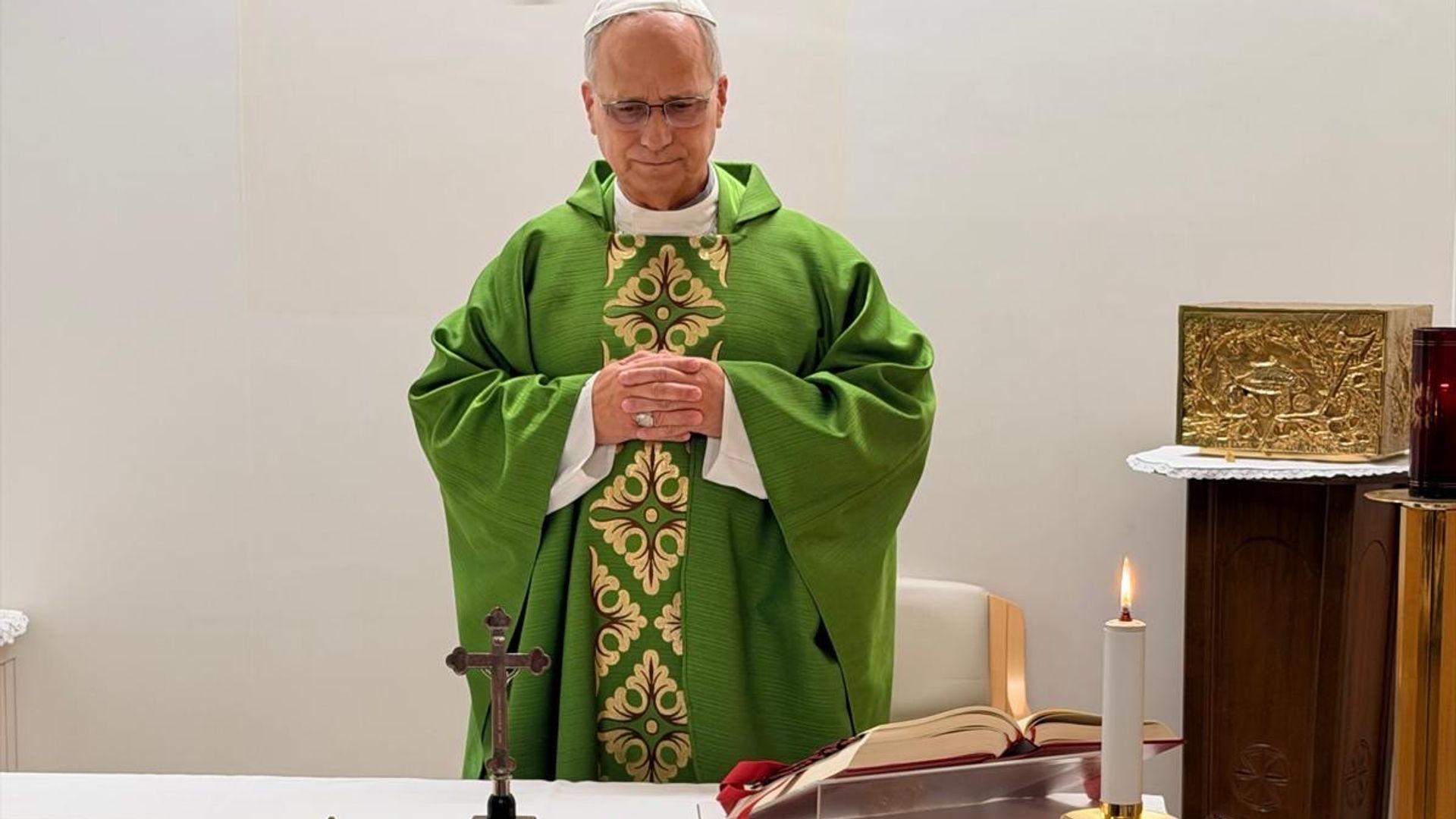
The operation itself—a sudden discovery of an adenocarcinoma nodule caught during a routine annual examination—had briefly thrown the Vatican into a state of quiet panic. Speculation about succession ran rampant. Yet, rather than receding into quiet seclusion to manage his recovery, the pontiff chose a path of intense public engagement. Within days of the procedure, he was presiding over private chapel masses, dictating correspondence, and making direct international calls to belligerent heads of state.
This posture reflects a calculated philosophy of office. Leadership from a sickbed alters the power dynamics of institutional governance. It signals to both allies and adversaries that physical ailments will not translate into political paralysis. For Vladimir Putin, a leader who meticulously projects physical vigor and martial strength, receiving a direct ultimatum from a recovering cancer patient creates an asymmetric encounter. One side operates from the absolute power of military force; the other from the stark, unyielding authority of moral witness.
As geopolitical analysts dissect the transcript of the call, the long-term impact on the conflict remains uncertain. Ceasefires are not forged by single phone calls, nor do humanitarian corridors open overnight simply because a religious leader demands them. Yet the intervention establishes a hard benchmark. It demonstrates that the moral center of the global stage refuses to go silent, even when hooked up to hospital monitors.
The physical scars on the tenth floor of Gemelli are still fresh, but the diplomatic footprints left by that bedside telephone call have permanently altered the rhythm of back-channel negotiations between Rome and Moscow.
Pope Leo calls Putin from hospital bed with urgent plea
This video provides an overview of the unexpected phone call placed from the hospital room to the Kremlin during the pope's recovery.