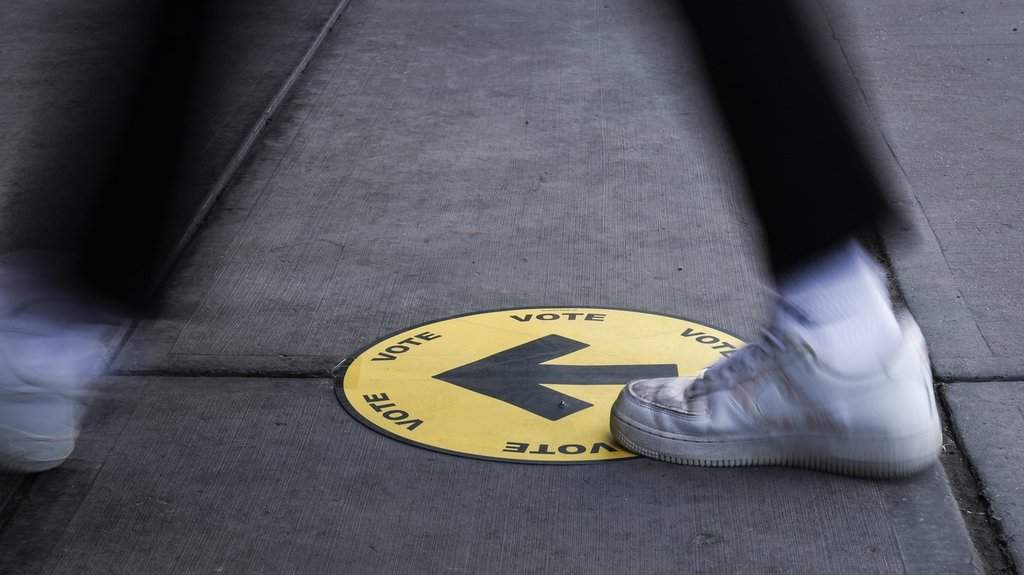
Icelandic voters have officially rejected a government proposal to restart accession negotiations with the European Union. Final tallies from a tense electoral cycle confirmed that 53.0 percent of participants voted against reviving the dormant membership bid, while 47.0 percent backed the initiative. The vote brings a definitive halt to months of fierce political debate in Reykjavik. Yet framing this outcome as a simple rejection of European integration misses the intricate web of economic pragmatism, deep-seated resource protectionism, and geopolitical positioning that actually drove voters to the ballot box.
To understand why this referendum failed, one must look past the standard political theater and examine the unique architecture of Iceland's current relationship with Brussels.
The Myth of Isolation
Mainland commentators frequently mischaracterize Iceland as an isolated North Atlantic outpost struggling for relevance. The reality is far more integrated. Through the European Economic Area (EEA) agreement signed in 1992 and the Schengen Agreement, Iceland already enjoys nearly frictionless access to the EU single market. Citizens move freely across borders, capital flows without restriction, and the country voluntarily implements a vast majority of EU legislative directives into domestic law.
Iceland sits comfortably inside the European engine room without having to pay the political toll at the driver's wheel. Membership would force the adoption of the euro, surrender monetary sovereignty to the European Central Bank, and subject the nation to regulatory frameworks designed for continental industrial economies rather than a volcanic island dominated by marine exports and geothermal energy. Voters understood this dynamic implicitly. Why pay full admission when you already hold a VIP backstage pass?
The Fisheries Third Rail
No discussion of Icelandic sovereignty can ignore the absolute primacy of the fishing industry. Commercial marine harvesting forms the lifeblood of the coastal economy, accounting for a massive share of export revenues. The prospect of entering the European Union brings an immediate, existential dread to fishing communities: the Common Fisheries Policy (CFP).
Under Brussels regulations, member states share access to common fishing grounds. For an island nation whose entire economic survival historically hinged on exclusive control over its surrounding waters, sharing quotas with continental fleets is viewed as a non-negotiable betrayal. During the height of the campaign, coastal municipalities voted overwhelmingly "no." Political elites in Reykjavik occasionally underestimate how fiercely generational fishermen guard those maritime boundaries. Handing quota management over to bureaucrats thousands of miles away was always going to be a bridge too far for the electorate.
Sovereignty Versus Practicality
The political coalition that pushed for the referendum argued that formal membership would grant Iceland a voting seat at the table where European laws are drafted, rather than leaving the country in a position of passive compliance. Proponents pointed out the absurdity of implementing rules written by an institution where Iceland holds zero direct representation.
The counterargument, championed by agricultural lobbies and skeptical parliamentarians, focused on regulatory loss and macroeconomic vulnerability. Agriculture in Iceland relies heavily on strict import protections and state subsidies designed to maintain domestic food security in an inhospitable climate. Exposing local dairy and livestock producers to unshielded competition within the common market presented an unacceptable risk.
Furthermore, the traumatic memory of the 2008 financial collapse continues to cast a long shadow over monetary debates. The spectacular implosion of Iceland's major commercial banks taught the public a harsh lesson about the dangers of mismatched currency exposure and oversized financial sectors. Maintaining an independent currency—the Icelandic króna—provides a vital shock absorber during global downturns, even if it brings domestic volatility and inflation headaches. Giving up that monetary lever to join a currency union with disparate economic cycles struck a majority of voters as an unnecessary gamble.
What Happens Next
With the referendum settled, official policy reverts to the status quo. The EEA agreement remains the anchor of Iceland's foreign trade policy, and commercial relations with continental Europe will proceed uninterrupted. Trade ministers in Reykjavik will continue managing market access through bilateral channels rather than treaty integration.
Domestic political fallout will likely ripple through the ruling coalition that forced the vote, as opposition parties seize on the defeat to question the administration's legislative priorities during a period of persistent inflation and housing shortages. Yet the broader geopolitical question of full European integration is effectively shelved for the foreseeable future. Iceland has sent a clear message to Brussels. The island is content to trade, travel, and cooperate closely with Europe, but it draws a hard line at becoming a member state.
The debate exposed deep fractures in how a small, wealthy democracy navigates globalization in an increasingly volatile world. As regional blocs consolidate and security dynamics shift across the continent, Iceland remains an outlier by choice. Sovereignty, it turns out, still holds a higher currency than institutional alignment on the edge of the Arctic Circle.