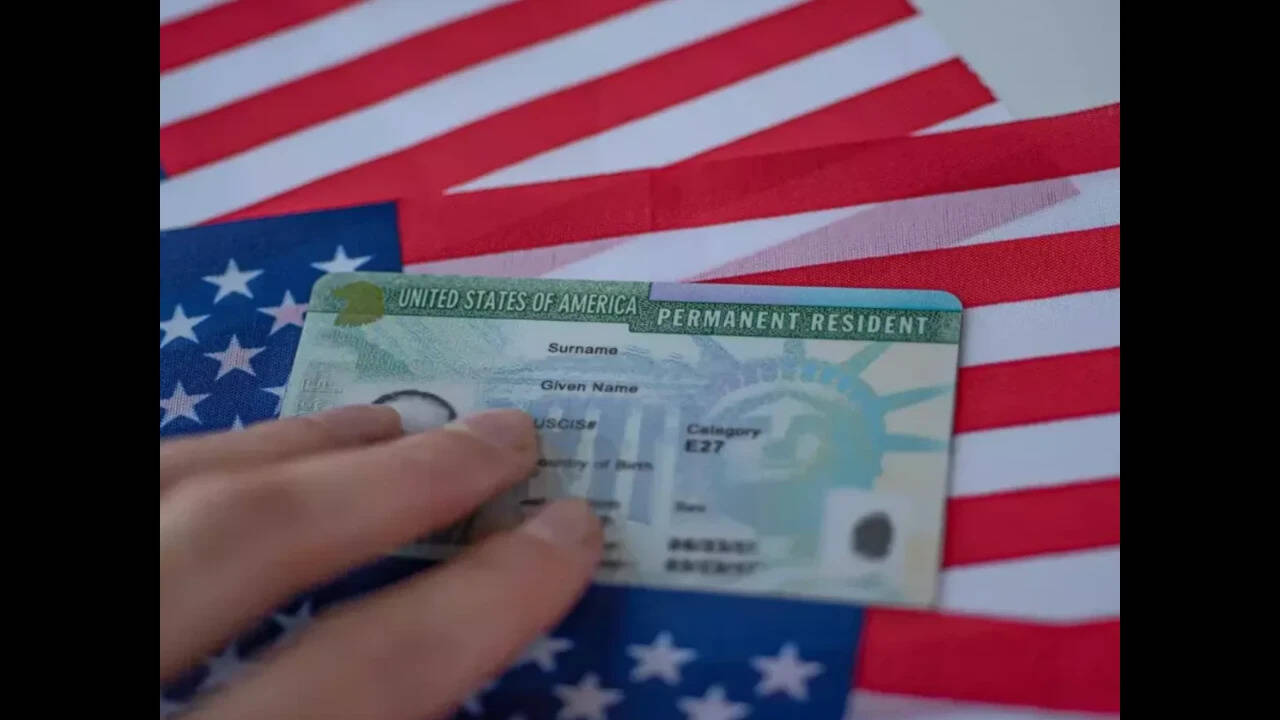
Federal immigration judges across the United States have received explicit instructions to severely restrict legal continuances, effectively forcing fast-tracked deportations for individuals who are actively awaiting pending green cards or visa approvals. This directive targets the administrative tools traditionally used to pause removal proceedings while separate federal applications clear bureaucratic backlogs.
Administrative dockets are swelling past three million pending cases. The response from the Department of Justice involves a fundamental shift in how judicial discretion is applied to individuals trapped between two federal agencies operating on entirely different timelines. You might also find this related coverage interesting: The Night the Gulf Caught Fire.
The Mechanics of Acceleration
For decades, the standard practice within the Executive Office for Immigration Review allowed judges to grant continuances. These postponements gave applicants time to secure legal representation, gather evidence, or wait for U.S. Citizenship and Immigration Services to process underlying visa petitions.
A mandatory virtual training session led by appellate immigration judge Keith Hunsucker altered that calculus. Hundreds of sitting judges were instructed that administrative delay tactics must be cut short. Under the revised guidelines, an approved visa petition should no longer halt deportation proceedings if the actual immigrant visa number remains unavailable due to annual statutory quotas. As discussed in detailed coverage by TIME, the results are widespread.
The friction point lies in the structural disconnect between agencies. While Citizenship and Immigration Services moves slowly through multi-year backlogs, immigration courts are now pushed toward immediate final orders. A person may hold an approved family or employment petition, yet face expedited removal simply because the queue for a final green card has not cleared.
Pressures on the Bar
The administrative overhaul extends beyond judicial dockets to target the attorneys representing respondents in court. Training materials presented during the sessions warned that practitioners who accept more cases than they can handle efficiently could face referrals to disciplinary counsel.
Critics argue this creates a chilling effect across an already overburdened defense infrastructure. Only a fraction of immigrants in removal proceedings secure counsel, and statistical data consistently demonstrates that legal representation drastically reduces the likelihood of a removal order. By discouraging attorneys from taking on heavy caseloads under the threat of sanctions, the policy risks shrinking an already scarce resource pool.
Skeptics of the directive point to the ten-day window often recommended for individuals to find legal representation. Finding specialized counsel, gathering foreign civil documents, and paying retainers within a ten-day limit is an operational impossibility for most detained or low-income respondents.
The Cost of Administrative Speed
The push for velocity introduces profound collateral damage to vulnerable populations. Among those affected by the tightening of continuances are survivors of violent crime, abused children, and individuals with pending humanitarian protections.
When a judge denies a continuance for a pending U-visa or special immigrant juvenile status, the applicant loses the defensive sanctuary the law ostensibly provides. The systemic priority shifts away from sorting meritorious claims to clearing dockets by any available procedural means.
We are witnessing an unprecedented collision between administrative efficiency and individual due process. As dockets compress and judicial discretion narrows, the margin for error disappears. The system no longer accommodates the agonizing delays of federal bureaucracy, leaving thousands exposed to sudden removal while their legal status hangs in administrative limbo.



