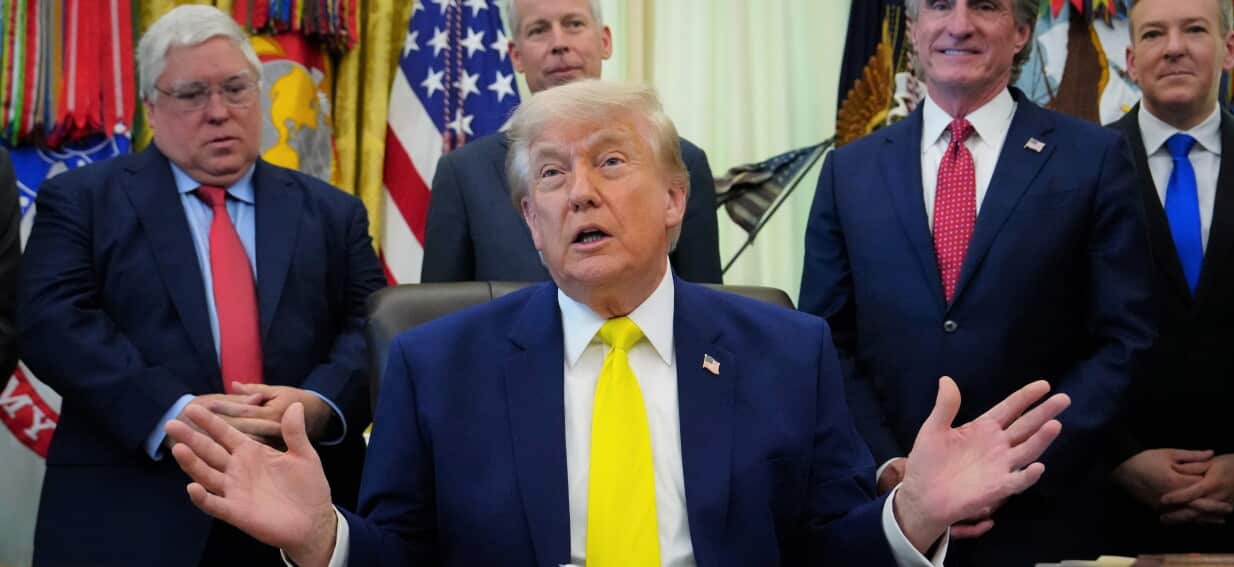
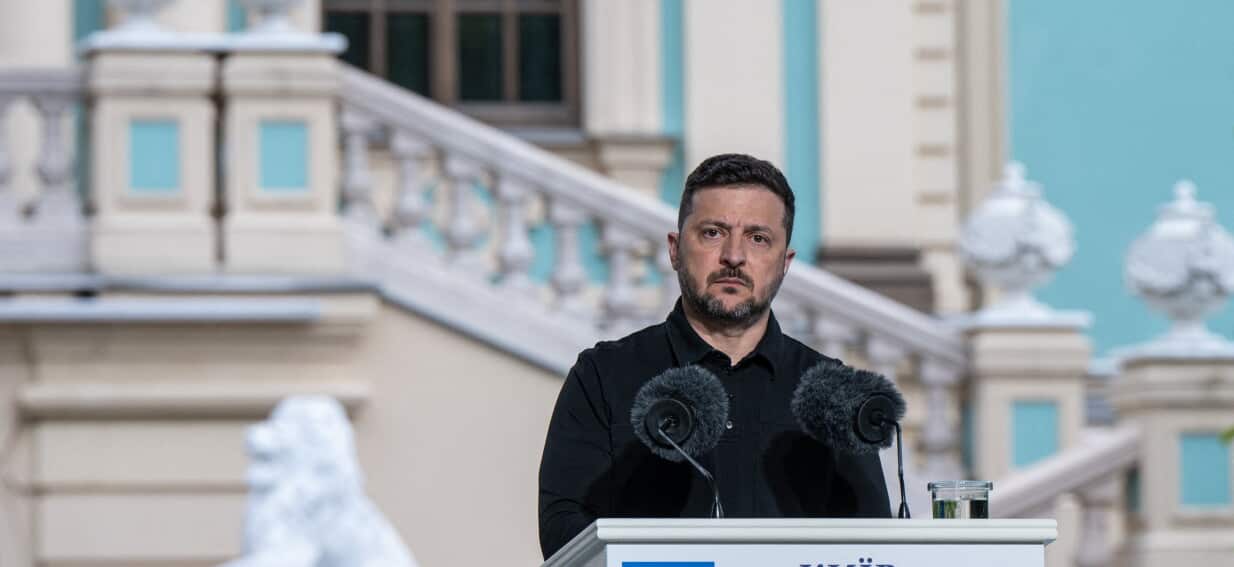
Donald Trump and New York City Mayor Zohran Mamdani are both planning to attend Game 3 of the NBA Finals at Madison Square Garden on Monday, June 8. They will not be sitting together. While the political theater of a right-wing billionaire president and a democratic socialist mayor sharing an arena dominates casual conversation, the real story is the unprecedented security nightmare brewing beneath the arena floor. Law enforcement officials are scrambling to secure a vertical fortress that sits directly on top of Penn Station, the busiest transit hub in North America, creating a logistical vulnerability that has secret service details and local police deeply alarmed.
The New York Knicks are on their most dominant postseason run in a generation, holding a 1-0 series lead over the San Antonio Spurs after a blowout win in Texas. Madison Square Garden has always been the city's premier stage, but Monday night transforms the world's most famous arena into an explosive geopolitical pressure cooker.
The Vertical Fortress Vulnerability
Securing a modern stadium usually involves establishing a wide perimeter. You clear the parking lots, set up checkpoints hundreds of yards from the turnstiles, and control every vehicle approach.
Madison Square Garden enjoys none of these luxuries. It is an architectural anomaly, a massive concrete cylinder suspended directly above a subterranean labyrinth of railway tracks, subway platforms, and commercial corridors. Over 600,000 commuters pass through Penn Station every single day.
While the President sits in a luxury suite protected by bulletproof glass and armored details, thousands of unregulated transit passengers will be moving directly underneath his feet. Law enforcement cannot simply shut down Penn Station for an NBA game. Doing so would paralyze the entire northeast corridor, freezing commuter rail lines and subways that keep the city alive.
Federal agencies face a structural paradox. The Secret Service is tasked with creating a sterile environment around a president who was invited by his long-time ally and campaign donor, Knicks owner James Dolan. Yet, the literal foundation of the building is a public space that cannot be fully locked down without causing economic chaos.
Two New Yorks in One Arena
The seating chart for Game 3 functions as a perfect map of America's current political fracture.
Trump will likely occupy the lower-tier executive suites or court-side positions, flanked by donors and corporate executives who can afford the astronomical secondary-market ticket prices, which have spiked past $5,000 for a single seat. Dolan has spent decades cultivating relationships with political power brokers, using his ownership of the team as leverage to secure tax breaks and zoning extensions for his real estate empire.
Far above the executive suites, Mayor Zohran Mamdani plans to watch the game from a vastly different vantage point. The mayor has explicitly stated he will be sitting in an entirely separate section, reminiscent of his recent appearances in the upper balconies.
"I will be at Game 3," Mamdani told reporters during a recent transit briefing. "I will be in a very different section of the stadium, and we look forward to welcoming any New Yorker who is excited for the Knicks to win that championship."
This spatial separation is not just about avoiding an awkward camera shot on the Jumbotron. It reflects a bitter fight over the soul and infrastructure of Manhattan. Mamdani's administration is currently locked in a long-term dispute with Dolan over the future of Penn Station, with progressive city leaders pushing to strip Madison Square Garden of its operating permit unless Dolan contributes significantly to the revitalization of the decaying transit hub below.
The Operational Strain on Local Law Enforcement
The New York Police Department is facing an operational breaking point. The city is already preparing for massive crowds associated with upcoming global sporting events, and the sudden addition of a presidential visit to an ongoing championship series has stretched resources to the limit.
A standard high-stakes playoff game requires hundreds of officers for crowd control, traffic management, and counter-terrorism monitoring on the streets outside. A presidential visit requires an exponential increase in manpower. Entire city blocks along Seventh and Eighth Avenues must be frozen, tactical teams must be stationed on nearby rooftops, and plainclothes officers must blend into the raucous crowd of 19,000 fans inside.
There is also the unpredictable element of the crowd itself. Knicks fans are notorious for their raw, unvarnished intensity. Mixing hyper-partisan political figures into an emotionally volatile environment where alcohol flows freely is an experiment that law enforcement officials view with intense anxiety. The potential for sudden, cascading protests inside the concourses is a risk factor that standard stadium architecture is simply not built to contain.
The Franchise in the Middle
Lost in the logistical chaos is the team itself. The Knicks have won 11 consecutive postseason games, outscoring their opponents by historically high margins. Jalen Brunson has transformed into a sports icon, and the mid-season acquisition of Karl-Anthony Towns has given the franchise its most balanced roster since 1999.
The players are hyper-focused on breaking a decades-long championship drought, but the circus arriving on Monday threatens to disrupt the rigid routines that professional athletes rely on. Extra security checkpoints mean longer transit times for players arriving at the arena. The locker room areas will be swept by bomb-sniffing dogs, and the usual corridor access for families and trainers will be severely restricted by federal agents.
Sports franchises thrive on controlled environments. Monday night will be anything but controlled.
The Knicks have spent nearly thirty years trying to get back to the pinnacle of basketball. Now that they are finally here, their home court is being converted into a heavily armed diplomatic zone. The game will play out on the hardwood, but the most critical operations will be happening in the dark corridors, the underground tunnels, and the surveillance rooms hidden deep within the concrete belly of Midtown Manhattan.