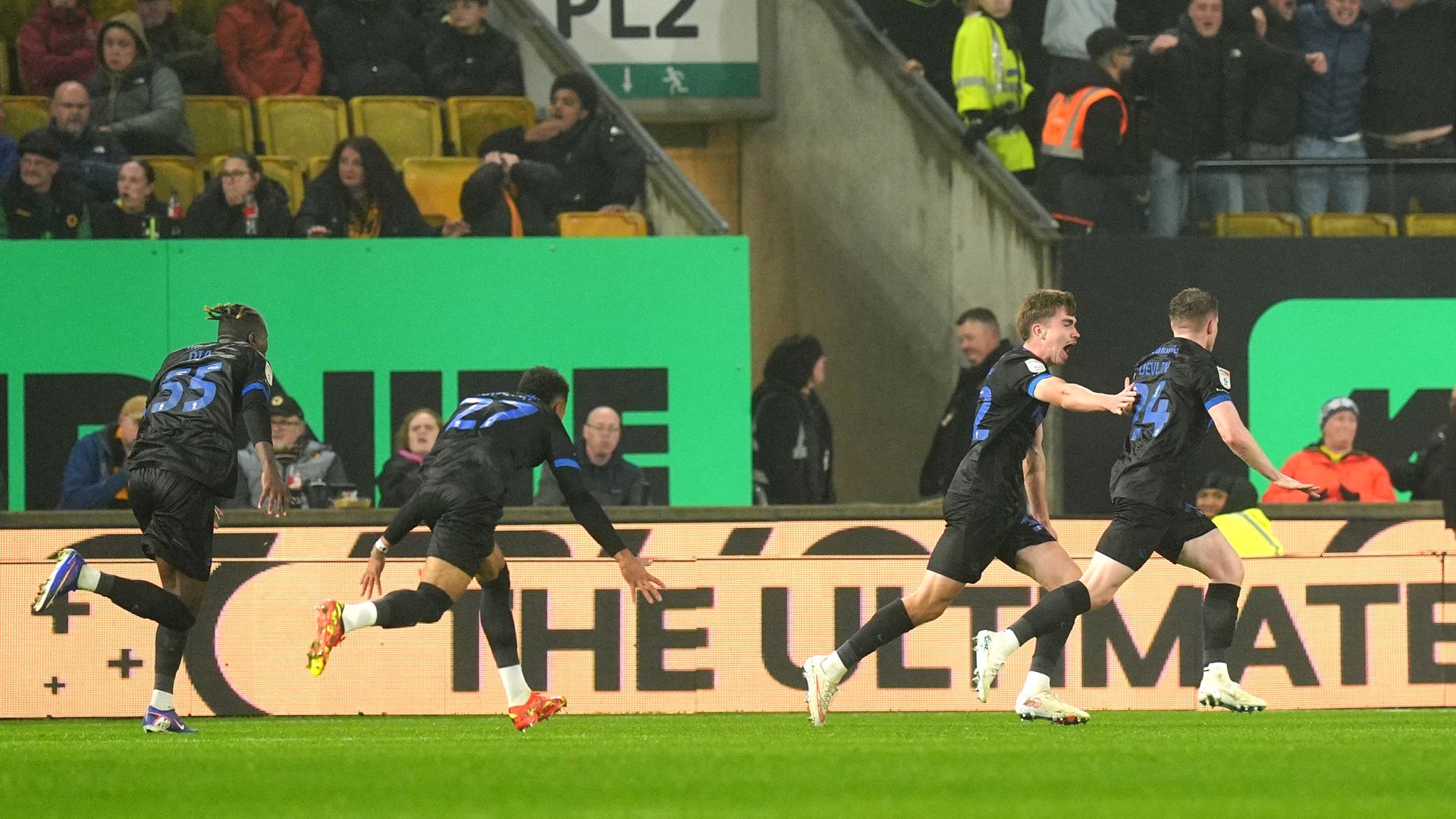
A four-goal defeat to Como does more than bruise pride in Manchester. It exposes a structural rot in how Michael Carrick sets up a dressing room that still operates like a collection of disconnected mercenaries rather than a cohesive football side. When a club with Manchester United’s commercial reach and historical weight concedes four times to an opponent that only recently climbed back into Serie A relevance, the scoreline stops being an isolated bad afternoon. It becomes a mirror held up to every shortcut taken over the last decade of recruitment, coaching turnover, and boardroom improvisation.
Pressure on Carrick now moves from ambient noise to existential scrutiny. Fans see the four goals conceded and immediately reach for the simplest villain in the frame, the man standing on the touchline with a clipboard. Yet blaming the manager alone lets too many other architects of this decline off the hook. A four-goal humiliation against Como happened because midfield spacing collapsed, transitions went unmonitored, and senior players reacted to early adversity with frustration instead of discipline.
Why Como Cut Through the Midfield So Easily
Watch the opening twenty minutes again and strip away the emotional commentary. You do not need advanced telemetry to see how Como dissected United’s central corridors. Whenever United pushed their full-backs high to manufacture width in possession, the space behind them became a highway for vertical passes and quick third-man combinations.
Carrick’s side attempted to play with proactive territory, yet lacked the midfield rest defense required to survive turnovers against a sharp, well-drilled counter-pressing unit. When possession broke down in the middle third, United’s pivot was routinely outnumbered. Instead of compact horizontal lines shifting in unison, runners drifted into spaces already occupied, leaving wide channels exposed whenever a second ball dropped loose.
Modern football punishes half-measures in central areas. If a team commits bodies forward without locking down counter-attacking lanes, an organized opponent with pace on the break will tear that structure apart repeatedly. Como did not need magic to score four times; they needed timing, clean first touches between the lines, and punishment of every lazy jogging recovery from United’s front six.
Here is a hypothetical example of how that breakdown plays out in real time: suppose a United attacking midfielder loses a duel near the edge of the penalty area, while the holding midfielder has stepped up to press the carrier’s outlet. If the center-backs hold a high line without pressure on the passer, a single clipped ball over the top isolates a full-back in a two-versus-one situation. Multiply that scenario by six or seven sequences across ninety minutes, and a four-goal scoreline stops looking like a fluke.
- Transition vulnerability: Losing the ball high forced frantic backward sprinting rather than structured containment.
- Spacing gaps: Wide gaps between the attacking line and the deepest midfielder allowed Como players to receive facing forward.
- Second-ball neglect: Loose clearances consistently fell to blue shirts outside the box, resetting waves of pressure.
- Communication breakdowns: Defenders hesitated between stepping out to engage and dropping off to protect the six-yard box.
The Manager’s Dilemma at Old Trafford
Interim and transitional managers in elite football face a brutal trap. You are hired to steady a ship taking on water, yet you are judged by standards built for dynasty builders. Michael Carrick knows the culture of the club intimately from his playing days, which brings obvious familiarity with expectations. Familiarity, however, is not a tactical system, and sentimentality has never stopped a counter-attack.
Carrick’s biggest test is no longer tactical polish on the training ground. It is authority over dressing-room habits that have survived multiple managers before him. When a squad goes through years of shifting philosophies, players naturally develop self-protective instincts. If a tactical plan demands high-intensity pressing or disciplined positional hold, any player who cheats on the press compromises the entire unit.
A manager can draw clean arrows on a tactical board all week, but once players stop trusting the structure behind them, every defensive phase turns into survival mode.
There is a legitimate counter-argument to piling every tactical sin on Carrick’s head. Squad imbalance remains glaringly obvious. United’s roster has been assembled across different regimes with conflicting profiles—some players suited to deep counter-punching, others bought for slow territorial domination, and several whose best moments belong to highlight reels rather than ninety-minute tactical execution. Asking any coach to weld mismatched parts into an airtight machine overnight ignores reality.
Still, a coach owns team selection, in-game adjustments, and standards of effort. When a side concedes four goals, questions must be asked about why adjustments arrived too late or why certain pairings remained on the pitch after warning signs flashed repeatedly. Toughness in management shows up in halftime decisions, not polite post-match deflections.
Tactical Choices Under the Microscope
Selection decisions carry extra weight after a heavy loss. If a pairing in central midfield repeatedly gets overrun, sticking with it out of loyalty or hope signals a lack of conviction. Equally, substitutions need to address structural flaws—such as central overload or lack of ball security—rather than merely swapping like-for-like attackers in desperation.
A coach must also protect defenders from endless one-on-one isolation. When wingers fail to track runners or full-backs push on without cover, center-backs look panicked and clumsy. Fixing the collective shape protects individuals who otherwise look out of their depth.
Recruitment Ghosts That Keep Haunting the Pitch
Every heavy defeat at Manchester United brings us back to the same uncomfortable truth. You cannot spend hundreds of millions of pounds over a decade with chronic scattershot recruitment and expect clean football foundations to appear by magic. Too many signings have looked like reactive shopping rather than coherent squad planning.
When a club buys big names without clear alignment on tactical fit, dressing-room chemistry, or physical profile, the consequences compound over seasons. Gaps appear in key positions—a true ball-progressing anchor here, a reliable ball-winner there, a composed outlet under pressure—leaving every manager improvising patches over structural holes.
- Profile mismatches: Signing players accustomed to slow build-up for a transition-heavy setup, or vice versa.
- Squad age and hunger: Balancing experienced heads with hungry runners without creating stagnation or entitlement.
- Depth imbalances: Having strong options in one attacking band while lacking credible cover in defensive midfield or full-back.
- Resale and contract drag: Carrying long-term commitments that limit squad churn and keep underperforming profiles in rotation.
Football executives love talking about long-term projects and data-driven alignment. On the pitch, none of that matters if the eleven players wearing the shirt cannot win individual duels, manage game tempo, or absorb momentum swings away from home. Como played with the clarity of a side that knows its roles cold. United played like individuals waiting for someone else to fix the mess.
There is gray area in judging any single transfer window because player development is never linear. A signing that looks underwhelming in one environment can thrive elsewhere, and injuries constantly distort evaluations. Yet when the pattern repeats across multiple windows and multiple managers, the issue is systemic rather than unlucky.
Psychological Fragility in High-Stakes Moments
Scorelines like four-nil rarely happen purely from bad geometry. They usually involve a mental fracture where a team stops believing it can turn the tide. Once Como struck and gained rhythm, United’s body language shifted noticeably. Heads dropped quicker, passes grew slightly rushed, and frustration crept into challenges.
In top-level sport, composure under pressure separates contenders from pretenders. When things go wrong early, disciplined teams simplify their game. They shrink distances, win simple headers, complete easy five-yard passes, and let the storm pass before building back into the contest.
United too often try to force a miracle pass immediately after conceding. That impulse turns a manageable setback into a spiral. One hurried turnover leads to another dangerous break, the crowd or opponent feeds off the energy, and suddenly a tight game unravels completely.
Building mental resilience takes more than speeches before kickoff. It requires clear on-pitch leadership when adversity hits—players who organize the block, demand calm on the ball, and refuse to sulk when decisions or bounces go against them. Without vocal, calm leadership in the spine of the team, young or fragile players drift into isolation.
What This Defeat Means Going Forward
For Manchester United, the four-goal loss to Como is a wake-up call that cannot be spun away with platitudes about learning experiences or tough schedules. Every week at this level brings another unforgiving test, and opponents now smell blood whenever United’s midfield opens up.
Carrick faces an immediate choice between doubling down on fragile assumptions or stripping things back to non-negotiable fundamentals—compactness, accountability, and ruthless selection based on current form and tactical discipline. Half-measures will only extend the agony and turn mounting frustration into outright crisis.
Accountability belongs everywhere from the boardroom down to the training pitch, yet the next response starts on the grass with clearer roles, sharper pressing triggers, and zero tolerance for passive defending.