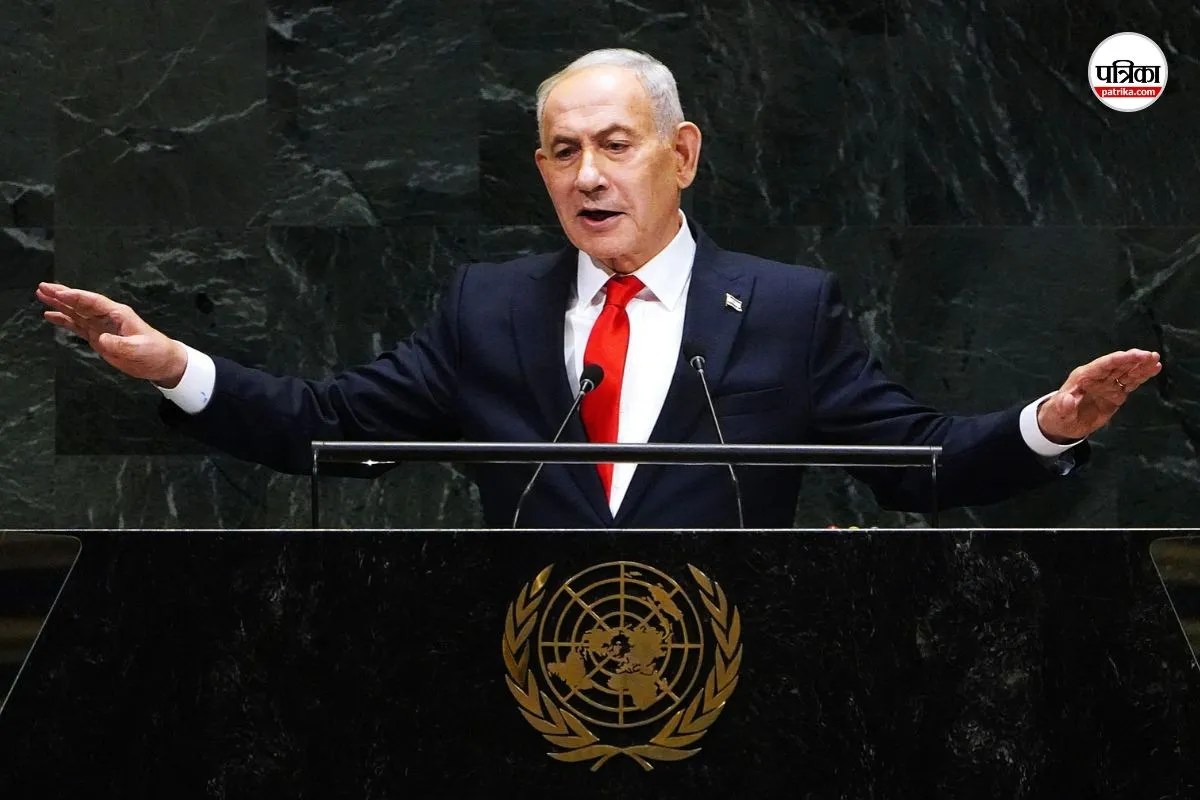
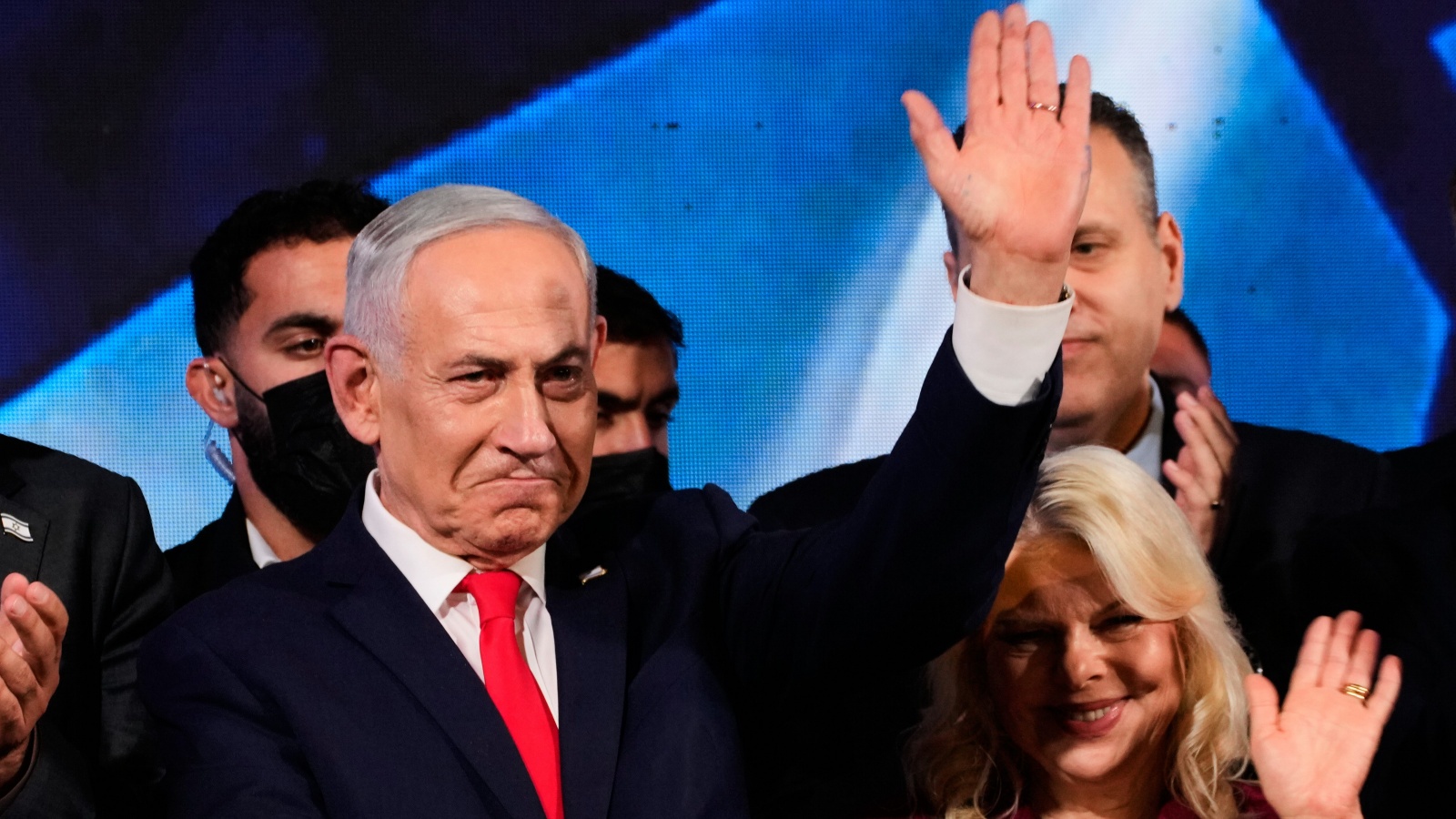
Prime Minister Benjamin Netanyahu’s Likud party did not lose its parliamentary majority on October 27, 2026, because of foreign interference or mass voter bribery. It lost because the outgoing coalition dropped 11 seats while Arab-led parties surged to 19, leaving the pro-Netanyahu bloc at 53 seats in the 120-member Knesset—eight short of the 61 required to govern. Within days of the vote, Israel’s Central Elections Committee, the Shin Bet internal security service, and the judiciary systematically dismantled Likud’s narrative of a "stolen" election. Yet the fraud allegations were never really meant to overturn ballot counts in court. They were engineered as a political wedge to paralyze opposition leader Gadi Eisenkot and prevent him from assembling a coalition capable of ending Netanyahu’s tenure.
The Anatomy of a Pre-Planned Narrative
Veteran political operatives know that an effective disinformation campaign rarely starts after the polls close. It requires laying groundwork while voters are still drinking their morning coffee.
According to an investigation by Israel’s public broadcaster KAN, Likud officials spent weeks before the October 27 election preparing a coordinated messaging campaign centered on the accusation that Arab citizens were stealing the vote. On election day itself, party representatives flooded the Central Elections Committee with roughly 1,280 complaints. The volume was staggering, yet the substance evaporated upon inspection.
The flashpoint arrived early on election morning. Israeli police announced the arrests of three suspects in a Bedouin Arab town, claiming officers had confiscated envelopes stuffed with cash intended to buy votes for the Arab-led Ra'am party. Netanyahu immediately seized on the police bulletin, branding it a "serious incident" and demanding an urgent probe. Four more suspects were detained in the days that followed. For Likud’s communications machine, those arrests served as smoking-gun proof of an organized effort to subvert Israeli democracy.
Then the case collapsed.
Within days, an Israeli judge ordered every single one of the seven suspects released due to a glaring lack of evidence. Prosecutors filed zero charges. Following consultations with the Shin Bet, the Central Elections Committee issued an unambiguous rebuke, stating there was no evidence of voter bribery occurring on a scale capable of altering the election outcome.
When the Accuser Becomes the Accused
The story might have ended as a routine post-election dispute had investigative journalists not traced the origins of the tip that triggered the dawn raids. Instead of uncovering a foreign-backed conspiracy in Arab communities, the trail led directly back to the Prime Minister’s Office.
Reporting by Yediot Ahronoth and the investigative program Uvda revealed that the initial allegation came from Danny Greenberg, a former adviser to Netanyahu on Arab affairs. Greenberg claimed an unnamed lawmaker from the rival Joint List party told him that millions of shekels were being funneled to boost Ra'am. Greenberg passed that unverified rumor directly to Netanyahu’s chief of staff, Ido Norden, who forwarded it to the police right before voting began.
Netanyahu’s office insisted Norden was simply fulfilling his civic duty by reporting a suspected crime. Critics and legal officials saw something far more troubling. The sequence raised urgent questions about how raw, politically convenient rumors moved from the prime minister's inner circle into an active police operation—and why police publicized the arrests at the exact moment voters were heading to the ballot box.
By mid-November, the scandal had inverted completely. Israel’s police commissioner announced an internal review of how officers handled the affair, only for the Attorney General to freeze that probe and initiate discussions for a much broader investigation into communications between Netanyahu’s office and law enforcement prior to election day. What began as Likud’s indictment of Arab voters morphed into a legal inquiry examining whether the prime minister's staff weaponized state policing to manufacture an election-day scandal.
The Qatar Paradox and Security Pushback
While police raids provided the domestic spark, Likud simultaneously tried to ignite a geopolitical firestorm. After Supreme Court Justice Noam Sohlberg, head of the Central Elections Committee, acknowledged receiving classified material alleging "serious suspicions" of foreign interference and asked the Shin Bet to investigate, Likud dropped all restraint.
"The elections in Israel have been stolen!" the party declared in an official statement, alleging without evidence that foreign actors were orchestrating a takeover of the Knesset, the "Islamization of Israel," and the toppling of the right-wing government. Party surrogates quickly pointed the finger at Qatar, a nation widely viewed by the Israeli public as a financial patron of Hamas. Doha dismissed the claims as "ridiculous and dangerous," warning Israeli politicians against using Qatar as a scapegoat for domestic electoral failures.
The political irony was lost on almost no one in Jerusalem. For months prior to the election, Netanyahu’s own inner circle had been dogged by allegations that former top aides accepted Qatari money. Opposition leaders wasted no time highlighting the contradiction.
- Gadi Eisenkot, head of the Yashar party and Netanyahu’s chief rival, sarcastically welcomed the prime minister's sudden willingness to condemn Qatari interference in Israeli affairs.
- Naftali Bennett, leader of the Together party, noted publicly that Netanyahu only seemed to remember Qatar’s malign influence when it served his immediate tactical need to sow chaos and erode trust in democratic institutions.
More damaging to Likud’s narrative was the refusal of Israel’s own security establishment to play along. Acting Elections Committee Director General Dean Livne took the rare step of releasing a video statement warning that media leaks surrounding the classified probe were unfounded and would not alter the final results certified for President Isaac Herzog. The Shin Bet issued an equally pointed clarification, stressing that its review was never intended to cast suspicion on Arab citizens who exercised their democratic right to vote lawfully.
The Real Math Behind the Rhetoric
To understand why a seasoned politician like Netanyahu would risk alienating the judiciary, security chiefs, and minority voters over claims destined to collapse under scrutiny, you have to look at the Knesset arithmetic.
The October 27 election produced a fractured parliament with no clear ideological winner. Turnout surged to 77.98%, driven heavily by mobilized voters in Arab communities frustrated by crime rates, economic stagnation, and the policies of the outgoing government. That surge fundamentally altered the parliamentary map.
| Political Bloc / Grouping | Key Parties | Knesset Seats Won | Net Change |
|---|---|---|---|
| Pro-Netanyahu Bloc | Likud (27), Otzma Yehudit (7), UTJ (7), Shas (6), RZP–Zehut (6) | 53 | -11 |
| Jewish Opposition Bloc | Yashar (21), Together (12), Democrats (8), Yisrael Beiteinu (7) | 48 | +2 |
| Arab-Led Parties | Joint List (11), Ra'am (8) | 19 | +9 |
Look closely at those numbers. Likud fell by nine seats to just 27, while Shas lost five. Yet Eisenkot’s Jewish opposition bloc only managed 48 seats—13 short of a majority. That leaves the 19 lawmakers from the Joint List and Ra'am holding the decisive balance of power.
During the campaign, several right-leaning and centrist opposition figures, including Bennett and Avigdor Lieberman, pledged not to rely on Arab parties to form a government. Netanyahu’s post-election strategy was built entirely around exploiting that vulnerability.
By branding the Arab electoral surge as illegitimate, foreign-funded, and fraudulent, Likud sought to make any political cooperation between Eisenkot and Arab lawmakers toxic. If Eisenkot cannot secure outside backing or formal support from Ra'am and the Joint List without being labeled a traitor cooperating with "election thieves," he cannot reach 61 seats. And if Eisenkot fails to form a coalition before his presidential mandate expires, the country either hands the mandate back to Netanyahu or spirals toward another snap election—leaving Netanyahu in the prime minister’s chair throughout the interim.
A Double-Edged Strategy That Cuts Both Ways
Tactically, poisoning the well of coalition politics is a familiar playbook in Israeli democracy. In 2019, Likud deployed activists with hidden cameras to Arab polling stations, a move widely criticized as voter intimidation that ultimately backfired by uniting fractured Arab factions into a powerhouse alliance. The 2026 campaign followed a similar trajectory—except this time, the backlash has been sharper and more immediate.
On November 8, President Isaac Herzog formally tasked Gadi Eisenkot with forming the next government after Eisenkot secured recommendations from more lawmakers than Netanyahu. Days later, the opposition demonstrated its cohesive potential in parliament by electing a new Knesset speaker over a six-hour filibuster staged by Netanyahu’s bloc.
At the same time, Likud’s scorched-earth rhetoric has complicated alternative pathways out of the deadlock. Behind closed doors, quiet discussions have floated the possibility of a broad unity government bridging parts of Likud and Eisenkot’s Yashar party to avoid dependence on either far-right extremists or Arab lists. Yet the Uvda revelations implicating the Prime Minister’s Office in the election-day police tip have injected fresh distrust into those talks. Moderate lawmakers inside the opposition face intense pressure from their own voters not to cut deals with an administration under active scrutiny for manipulating law enforcement.
The Long-Term Cost to Democratic Infrastructure
Political spin has a shelf life, even in a country as polarized as Israel. Coalition deadlines force politicians to make hard compromises regardless of what they shouted on television the week before. Institutional damage, however, compounds over years.
For decades, Israel’s Central Elections Committee—chaired by a sitting Supreme Court justice and staffed by representatives from across the political spectrum—stood as one of the few state bodies insulated from partisan warfare. By attacking the committee's integrity, dismissing Shin Bet findings, and framing the constitutional participation of nearly two million Arab citizens as an existential conspiracy, Likud crossed a threshold that cannot easily be walked back.
Eisenkot now faces a narrowing clock to stitch together a 61-seat majority from ideological rivals who agree on little beyond removing Netanyahu from power. Whether he succeeds or the country tumbles into yet another electoral cycle, the foundational rule of Israeli politics has shifted: losing an election no longer requires conceding defeat, only convincing enough supporters that the voters who beat you never had the right to count.