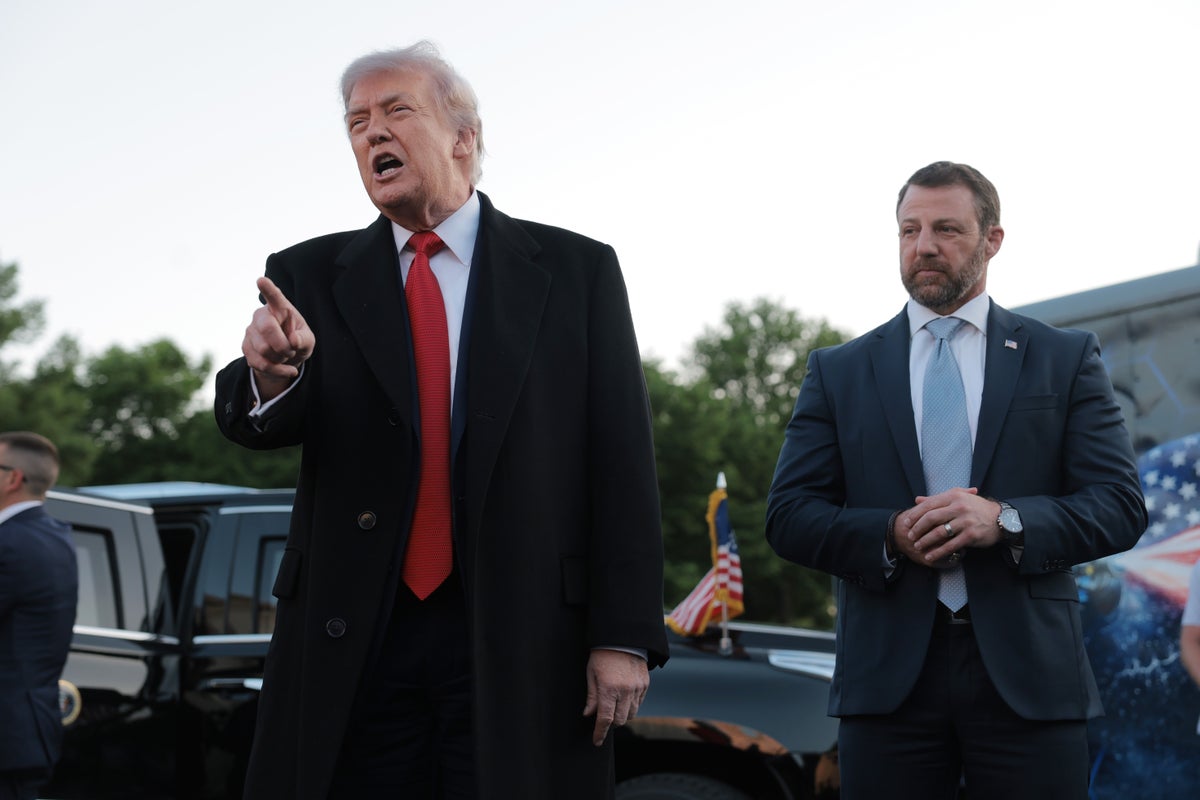
The corridors of the Department of Homeland Security rarely experience genuine calm. When Donald Trump selected Markwayne Mullin to helm the gargantuan agency, Washington insiders anticipated institutional turbulence. Replacing a scandal-plagued predecessor is never a clean endeavor. Yet the friction surrounding Mullin's tenure extends far beyond routine bureaucratic friction, touching raw ideological nerves within the MAGA coalition and exposing deep structural vulnerabilities inside American border and interior enforcement.
The Making of a Loyalist Chief
Understanding the current turbulence requires looking closely at how Mullin ascended to the post. A former mixed martial arts competitor and Oklahoma businessman turned lawmaker, Mullin built a brand on raw combativeness and fierce defense of the executive branch. His supporters viewed him as a direct replacement for institutional gridlock. He lacks a traditional administrative pedigree or an ivy-league bureaucracy background. Instead, he projects the persona of a hands-on operator.
For the White House, this approach had immediate appeal. The immigration and deportation machinery needed an aggressive hand to push back against judicial road-blocks and internal agency drag. However, translating congressional bravado into executive management of over two hundred thousand federal employees is an entirely different discipline.
Consider a hypothetical comparison. Running a multi-state plumbing operation requires hard work and direct oversight of regional crews. Managing the sprawling architecture of immigration enforcement, disaster response, transportation security, and cybersecurity requires navigating a labyrinth of federal civil service protections, congressional budget caps, and multi-layered judicial oversight. The skill sets barely overlap.
Ideological Landmines and Base Friction
The underlying frustration among various factions within the coalition stems from ideological contradictions in Mullin's legislative past. Hardline supporters who scrutinize every appointment quickly surfaced past statements and positions that did not neatly fit the idealized nationalist purity test.
During the aftermath of the January 6 Capitol riot, Mullin took public positions defending the actions of law enforcement officers under immense pressure, noting that lethal force utilized during the chaos was a tragic necessity under the circumstances. While his defense of specific officers aligned with traditional law-and-order rhetoric, it triggered quiet pushback from populist elements who view federal law enforcement agencies through a lens of deep suspicion.
Furthermore, his legislative record reveals bipartisan cooperation on specific tribal and regional issues alongside fierce immigration enforcement votes. In Washington, pragmatism is often treated as heresy by digital-age activists who demand unyielding ideological alignment twenty-four hours a day. When an agency head is tasked with executing uncompromising border policies while possessing a record that includes traditional deal-making, the friction is inevitable.
The Structural Realities of Modern Enforcement
Beyond the personality politics and media cycles, the structural constraints facing the department remain the true test of this leadership era. Operational directives from the Oval Office collide daily with federal procurement laws, union contracts, and severe logistical bottlenecks.
Border enforcement operations require staggering amounts of coordination, from transport logistics to detention capacity and immigration court backlogs. Throwing political willpower at a systemic bottleneck does not automatically clear the pipe. Agency veterans note that high-profile announcements often outpace the operational capacity of field agents on the ground.
When targets for removals or apprehensions are missed, the frustration cascades upward. The White House demands immediate results. The civil service cautions about legal limits and due process requirements. The department head sits squarely in the middle of this crushing pressure cooker, absorbing blame from both the executive staff demanding total compliance and the rank-and-file facing burnout.
Managing the Permanent Bureaucracy
Every cabinet secretary eventually learns that Washington runs on institutional inertia. Career bureaucrats outlast political appointees. Strategies designed to bypass traditional administrative channels frequently trigger slow-downs, leaks, and institutional resistance from within the ranks.
Mullin's approach relies heavily on direct communication and a display of personal toughness. Yet executive agencies do not respond permanently to sheer force of will. Without deep knowledge of federal budgeting mechanics and administrative law, leadership teams often find themselves reliant on unelected career deputies who control the actual levers of institutional power.
This dynamic creates a peculiar vulnerability. If the political leadership loses the confidence of the internal operational commanders, institutional paralysis follows. Conversely, if they alienate the political base by failing to deliver immediate, visible transformation, the public relations machine turns against them.
The stakes for the administration remain exceptionally high. Immigration enforcement and domestic security form the absolute bedrock of the populist political platform. Any perceived stumble at the department level reverberates directly into electoral calculations.
The pressure will not abate. As ongoing legal battles challenge administrative authorities and budget deadlines loom on Capitol Hill, the margin for error shrinks daily. The tenure may be defined not by the volume of initial rhetoric, but by the cold, unyielding reality of whether the machinery of state actually moves the needle before the next political cycle arrives.
The system grinds forward, indifferent to the personal ambitions of those temporarily steering its course.