The internal memo arrived quietly across digital terminals, yet its weight carried decades of institutional inertia behind it. Following a damning coroner inquiry into the 2025 death of twenty-nine-year-old Abisay Cruz, the Service de police de la Ville de Montréal issued a strict directive ordering officers to immediately halt the use of the controversial hog-tie restraint technique. For years, the practice existed in a grey zone of tactical enforcement, defended by trainers as a necessary means of subduing volatile individuals, despite mounting warnings from medical professionals regarding the grave risks of restricted breathing.
When a procedure designed for immobilization transforms into a mechanism of fatality, the inquiry goes far beyond a single tragic night on Pie-IX Boulevard. It strips bare the operational realities of frontline policing, where split-second decisions made under immense stress clash with fundamental human physiology. The directive issued by the SPVM marks a critical departure from past defensiveness, yet it also exposes deep structural vulnerabilities in how tactical methods are evaluated, vetted, and ultimately corrected before bodies stack up in morgues. For a different look, consider: this related article.
The Anatomy of a Preventable Tragedy
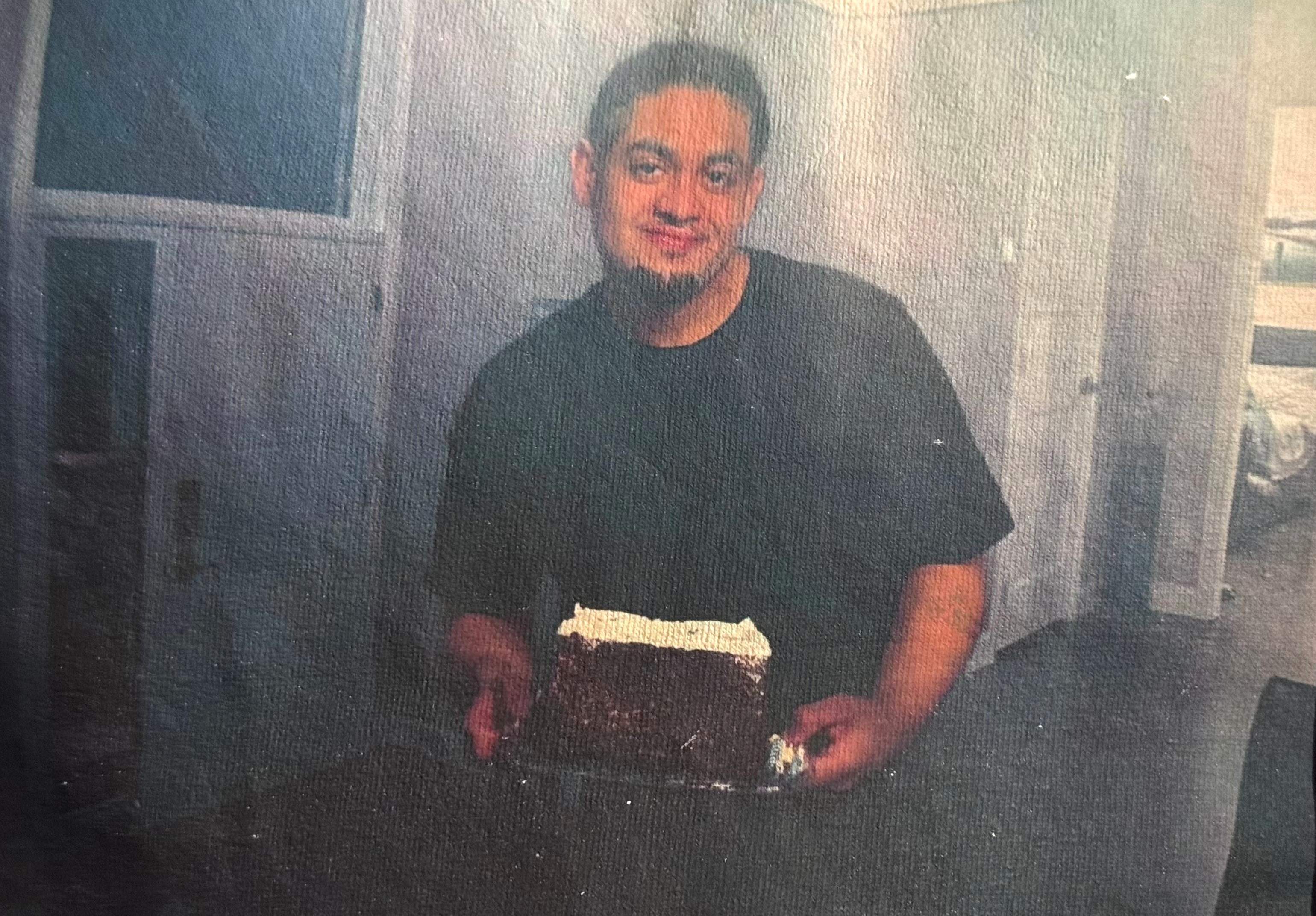
On a chaotic afternoon in 2025, Abisay Cruz found himself engulfed in a personal crisis. Facing impending deportation to Honduras—a reality that weighed heavily on his mental state—Cruz became the subject of a frantic 911 call near the corner of Pie-IX Boulevard and Forty-Seventh Street. What unfolded next remains contested in fragments between police accounts and civilian eyewitness testimony, but the physical outcome is documented with clinical precision in the report filed by Quebec coroner Géhane Kamel.
Five separate officers converged on Cruz. In the scramble to neutralize what officers perceived as an immediate physical threat, physical force escalated rapidly. Witnesses described a man who sat with hands raised, willing to communicate, before the situation fractured entirely. Once immobilized on the pavement, officers applied the hog-tie restraint, binding his limbs behind him in a posture that severely restricted thoracic movement. Similar reporting on this matter has been shared by NBC News.
According to Kamel’s findings, officers kept Cruz pinned face-down against the asphalt for more than two minutes before finally shifting his body weight. That delay proved fatal. The coroner concluded that it was highly probable the positioning contributed directly to his accidental death, cutting off the oxygen supply until his heart stopped.
The Physics of Positional Asphyxia
Law enforcement training manuals have historically prioritized rapid control over anatomical safety during high-stress arrests. Yet medical experts have spent decades warning about the mechanics of positional asphyxia. When a human body is forced face-down—prone—with limbs bound behind the back, the weight of the torso compresses the lungs. Diaphragmatic movement becomes restricted. Blood flow to the heart diminishes.
When officers add body weight to a prone suspect, the lungs lose their capacity to expand. The victim gasps for air, which police often misinterpret as active resistance rather than an oxygen-starved desperate plea for breath. This misinterpretation triggers further escalation, heavier pressure, and tighter restraints.
In Cruz's case, the restraint mechanism forced his body into an unnatural arc. The coroner's assessment did not accuse the officers of intentional murder; rather, it exposed a systemic failure of basic physiological awareness among trained professionals. A technique meant to secure a suspect turned into an invisible chokehold, operating silently beneath the weight of five grown men.
The Failure of Supervision on the Asphalt
Tactical failures rarely happen in a vacuum. On the ground during the intervention involving Cruz, a police sergeant held supervisory rank. The primary duty of a field supervisor during a volatile crisis intervention is not merely to participate in the physical pile-on, but to maintain objective oversight, assess threat levels, and correct tactical drift before lethal errors occur.
The coroner’s report singled out a stark absence of leadership from that exact supervisor. As Cruz struggled under the weight of multiple officers and the minutes ticked past in the restricted prone position, the sergeant failed to intervene. There were no corrective directives issued. There was no order to roll the suspect onto his side to allow air into his lungs.
This abdication of supervisory command highlights an entrenched cultural issue within urban police forces. Hierarchy often breeds compliance rather than critical intervention. Junior officers follow the physical momentum of their peers, and when a supervisor joins the physical struggle instead of managing the perimeter, the safeguard of command vanishes entirely. The sergeant's silence on that Montreal street corner was as lethal as the restraint itself.
The Accountability Gap
Following the incident, the province's independent police watchdog, the Bureau des enquêtes indépendantes, launched a thorough investigation into the actions of the five participating officers. The file was subsequently handed over to public prosecutors, who evaluated whether criminal charges were warranted. In March of 2026, the prosecution service opted not to lay criminal charges against the officers involved.
That decision sparked immediate outrage from family members, advocates, and civil rights groups who view prosecutorial inaction as institutional protectionism. For families grieving a lost son or brother, the gap between a coroner declaring a restraint method "highly likely" to have caused a death and prosecutors finding insufficient grounds for criminal culpability represents a profound failure of justice.
Criminal negligence standards in police use-of-force cases remain exceptionally high. Prosecutors must prove beyond a reasonable doubt that an officer acted with a wanton and reckless disregard for the lives of others, an exceedingly difficult threshold to clear when officers testify that they feared for their safety during a dynamic crisis. Consequently, accountability is fractured. Criminal courts clear the officers, leaving administrative directives and coroner reports as the sole mechanisms of institutional correction.
Shifting Policy Behind Closed Doors
The internal memo issued by the SPVM ordering the cessation of hog-tying represents a belated acknowledgment of reality, but it arrives after years of resistance. Police unions and institutional management have traditionally fought against outright bans on specific tactical maneuvers, arguing that officers require maximum physical flexibility to handle dangerous suspects.
Yet public pressure, combined with the unyielding factual findings of coroner Géhane Kamel, made further defense of the technique untenable. The directive forces a scrambling of training curriculums across the department. Officers must now be retrained in alternative, safer containment methods that do not compromise respiratory function.
Furthermore, the coroner’s recommendations extended beyond the ban itself. Kamel urged the department to equip officers universally with naloxone kits and to accelerate the deployment of body-worn cameras, specifically for units interacting with individuals experiencing mental health crises. These tools, long standard in other major metropolitan jurisdictions, have faced slow adoption curves in Montreal due to budgetary disputes and institutional hesitation.
The Human Toll of Delayed Reform
Behind every policy memo and coroner's recommendation lies a fractured family and an unfillable void. Abisay Cruz was more than a demographic data point in a use-of-force study. Loved ones remembered him as deeply affectionate, anchored by close family ties that could not shield him from the compounding pressures of an impending deportation and an escalating mental health crisis.
When police departments treat crisis intervention as a tactical combat operation rather than a medical and social rescue mission, the margin for error narrows to zero. The officers dispatched that afternoon walked into a situation involving a frightened, vulnerable man. They walked out leaving a family demanding answers that administrative memos can never fully satisfy.
The Road Ahead for Urban Policing
Banning the hog-tie restraint is a necessary operational adjustment, but it does not fix an underlying cultural affliction within modern policing. Directives on paper mean little if frontline training does not fundamentally alter how officers perceive vulnerability and distress.
As the SPVM attempts to absorb the recommendations of the coroner's report, the broader question remains whether internal directives are enough to prevent the next tragedy. Without robust external oversight, mandatory body cameras that record every second of an intervention, and an absolute cultural shift that prioritizes de-escalation over physical domination, the cycle will repeat. A technique is banned, a memo is filed, yet the underlying mechanisms of force remain primed to strike again.