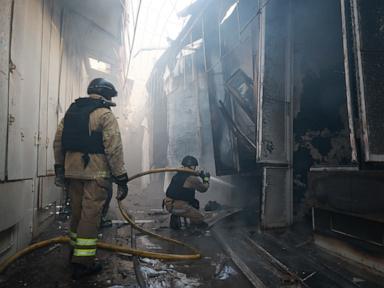
The timing was never subtle. When the diplomatic cables cooled in Berlin and Moscow after yet another round of failed back-channel appeals, the response from the Kremlin arrived not through an envoy, but through the screech of incoming cruise missiles slicing across Ukrainian airspace.
Russian strikes left civilian casualties in their wake, a grim routine that has calcified into an institutionalized attrition campaign. This latest flare-up followed hard on the heels of firm diplomatic demands from German leadership urging Moscow to halt its unrelenting offensive and de-escalate tensions. The rejection from the Russian capital was immediate, absolute, and delivered with explosive punctuation.
To understand why diplomatic off-ramps continue to smash against a brick wall, one must look past the immediate carnage and examine the structural logic governing modern warfare.
The Economics of Continuous Pressure
For months, Western capitals have operated under the assumption that economic sanctions, combined with periodic diplomatic interventions, would eventually force a strategic reassessment in Moscow. That theory of change has collided with a stubborn battlefield reality. The Kremlin has adapted its domestic economy and industrial output to a permanent wartime footing, viewing diplomatic appeals from European leaders not as genuine invitations to peace, but as tactical pauses designed to allow Kyiv to resupply and rearm.
When Berlin demands de-escalation, Moscow hears an adversary attempting to freeze a conflict on unfavorable terms. The logical counter-move from the Russian military command has been to intensify aerial bombardment, targeting critical infrastructure and residential zones alike to demonstrate that time is not on the side of Ukraine's western backers.
An air raid siren in Kyiv is no longer just a warning for civilians to seek shelter; it is a live-fire reply to European foreign policy.
The Winter Grid Strategy
The mechanics of this ongoing campaign have shifted decisively toward systemic exhaustion. Rather than focusing solely on frontline tactical engagements, long-range missile and drone barrages are meticulously calibrated to break the psychological and physical endurance of the Ukrainian population.
Substations, heating grids, and transit hubs absorb the brunt of these coordinated assaults. The objective is starkly transparent. By systematically dismantling the country's energy infrastructure ahead of the cold months, the strategy seeks to generate waves of displaced civilians, compounding the economic and political pressure on European governments already straining under the weight of refugee support and fiscal fatigue.
Every missile launched after a rejected diplomatic overture serves a dual purpose. It degrades defensive capabilities and sends an unmistakable geopolitical signal across the continent: Moscow refuses to be bound by European timelines or Western ultimatums.
The Limits of Western Deterrence
Germany and its continental allies find themselves trapped in a strategic paradox. Berlin has steadily increased financial and military commitments, pledging hundreds of millions in specialized winter aid and air defense packages to keep the Ukrainian state functional. Yet, financial packages and defensive interceptors address only the symptoms of the onslaught, not its root cause.
The diplomatic machinery of Europe is built on the premise that all parties ultimately desire a negotiated settlement. That foundational assumption shatters when faced with an adversary whose political survival is explicitly tied to the continuation of the conflict. When German appeals for calm are met with salvos of hypersonic and cruise missiles, it exposes the hollow core of current western deterrence mechanisms. Words cannot intercept ordnance, and calls for restraint hold zero currency in a command bunker operating on zero-sum logic.
As air defense batteries track inbound threats across the dark skies of Eastern Europe, the gap between diplomatic aspiration and military reality widens. The smoke rising from targeted municipal districts tells the definitive story. The war continues not because diplomacy hasn't been tried, but because one side believes it is winning the war of attrition—and no amount of rhetoric from Berlin will convince them otherwise.
Russian strikes hit Kyiv as German chancellor visits Ukraine
This video provides a firsthand look at the immediate aftermath of Russian air strikes hitting civilian infrastructure in Kyiv during high-level diplomatic visits from European officials.