When a 21-foot recreational speedboat carrying 14 people slipped into the dark currents of New York Harbor, it carried more than an overcrowded passenger list. It carried an entire underground economy built on negligence, social media promotion, and regulatory blind spots. The disaster on August 8, which claimed the lives of 27-year-old Sara Sanchez and her five-month-old daughter Antonella Garcia, has laid bare a lethal loophole in maritime oversight.
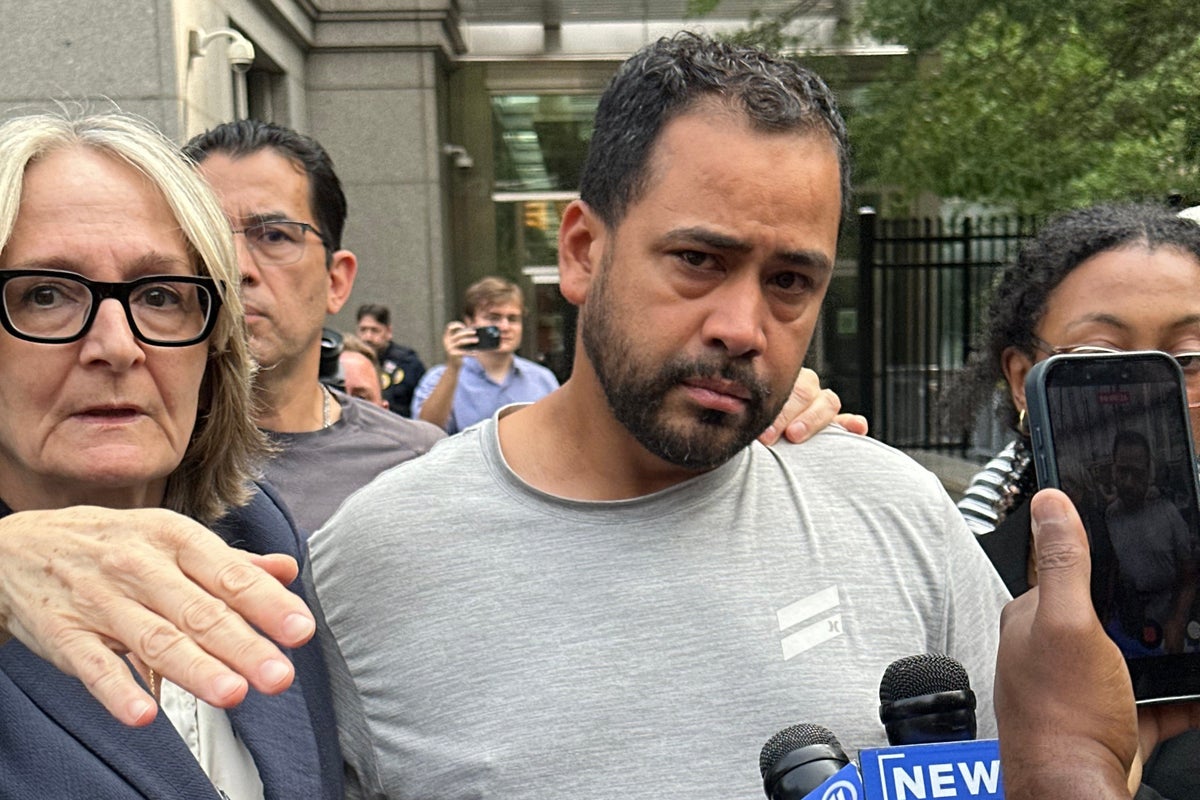
Manuel Ernesto Hernandez-Umana now sits in an immigration detention facility in Elizabeth, New Jersey, facing both state and federal criminal charges for misconduct and neglect alongside an impending deportation order from Immigration and Customs Enforcement. Yet pinning the catastrophe entirely on an unlicensed driver misses the systemic rot that allowed an illegal nighttime charter to operate in one of the busiest, most hazardous commercial waterways on earth.
The Mechanics of a Floating Trap
The physics of the accident were as brutal as they were predictable. Federal prosecutors and Coast Guard investigators established that Hernandez-Umana was piloting a Yamaha AR210 bowrider—a vessel certified for a maximum capacity of 10 people—with 14 souls packed onto its fiberglass decks.
At roughly 10 p.m., more than three hours into a late-night excursion organized through Zeus Luxury Rentals, the boat approached the Statue of Liberty. Negotiating a U-turn in choppy waters, Hernandez-Umana steered directly into a swell generated by the wake of a larger commercial vessel. Rather than cutting power to glide over the disturbance, he accelerated.
Water slammed over the low-slung bow of the overloaded craft. Within seconds, the boat swamped, flipped, and dragged its passengers into the dark, frigid tide.
The safety violations stacked up long before the engine turned over. Investigators revealed that the vessel contained zero life jackets sized for infants or small children. To compensate, Hernandez-Umana instructed the mother to wear an adult vest and hold her infant daughter for the duration of the voyage—a direct violation of federal safety standards that renders a life jacket completely useless in a sudden capsizing event, where human grip strength is instantly neutralized by cold shock and panic.
The Rise of the Underground Instagram Fleet
How did a freelance limousine driver operating a borrowed recreational boat end up running commercial night tours in New York Harbor?
The answer lies in the wild west of social media-driven maritime commerce. Companies like Zeus Luxury Rentals leverage platforms like Instagram and TikTok to market bespoke, affordable luxury experiences to consumers who have no reason to suspect that the sleek vessel pulling up to a municipal dock is operating outside federal law.
Legitimate commercial passenger vessels are subject to rigorous United States Coast Guard inspections, mandatory captain licensing, strict stability tests, and comprehensive safety equipment audits. These requirements cost money. By bypassing them entirely, shadow charter operators can undercut legitimate businesses while offering tourists an intoxicating mix of skyline views and VIP aesthetics.
Hernandez-Umana told federal investigators he had worked for the rental outfit on a contract basis, starting as a driver before transitioning to the water. He admitted to using his own slightly larger Yamaha bowrider for previous excursions before borrowing a friend's boat on the night of the tragedy because his personal watercraft required maintenance. This casual interchangeability of vessels underscores the casual disregard for federal oversight. To these operators, a recreational toy purchased at a local dealership is functionally identical to a regulated passenger ferry.
The Blind Spots of Enforcement
Maritime law enforcement agencies face a nearly impossible geometry in protecting local waterways. New York Harbor is a churning intersection of high-speed commuter ferries, massive container ships, fuel barges, and recreational traffic. Coast Guard units and harbor police patrol these waters constantly, but distinguishing between a family taking friends out for an evening cruise and an illegal commercial charter is remarkably difficult from a distance.
When transactions happen via direct messages on social applications and payments are routed through peer-to-peer cash transfer apps, paper trails vanish. There is no manifest filed with harbor authorities. There is no dock master verifying credentials.
Furthermore, the involvement of immigration enforcement adds another layer to a fractured narrative. Homeland Security officials confirmed that Hernandez-Umana, a 46-year-old native of El Salvador, had lived in New Jersey after entering the country in 2007 by falsely claiming U.S. citizenship to a border officer. While politicians rush to frame the tragedy through the lens of border security, focusing solely on the driver's immigration status obscures the broader institutional failure that allowed an uncertified operator to peddle high-risk boat rides to unsuspecting tourists.
The system failed long before Hernandez-Umana turned the ignition key. It failed when platforms allowed unverified rental brokers to advertise commercial services without proof of Coast Guard compliance. It failed when the commercial market created financial incentives broad enough to turn weekend boaters into midnight ferry captains.
Twelve other passengers were rescued from the harbor that night, treated for trauma and exposure, and left to grapple with the memory of a voyage that went wrong in a matter of seconds. As the federal court case proceeds toward its autumn deadlines, the digital advertisements for shadow charters continue to glow on smartphone screens across the city, waiting for the next customer who cannot tell the difference between a legitimate captain and a man borrowing a friend's boat.