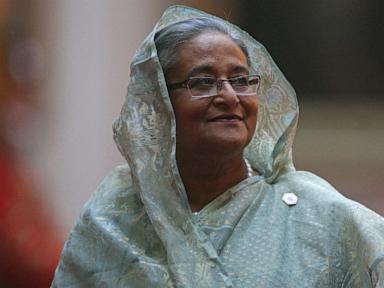
Ousted Prime Minister Sheikh Hasina has signaled her intent to return to Bangladesh from Indian exile by December, throwing down a defiant gauntlet to the current administration in Dhaka led by Prime Minister Tarique Rahman. Facing a death sentence handed down in absentia by a domestic tribunal, the 78-year-old veteran leader insists she will voluntarily surrender to the courts alongside loyalist cadres. This move transcends simple political theater. It is a calculated stress-test of South Asia's most volatile geopolitical fault line, designed to shatter the fragile legitimacy of post-uprising governance.
The Anatomy of an Exile Strategy
Exile rarely subdues a seasoned autocrat with dynastic roots. For Hasina, remaining in New Delhi under tight security risks political obsolescence as the Bangladesh Nationalist Party (BNP) consolidates power following the general elections. By announcing a targeted homecoming, she changes the calculus from passive isolation to active martyrdom. Read more on a connected topic: this related article.
History shows that banished leaders often utilize judicial trials as theatrical platforms. When Hasina declares that she expects imprisonment or assassination upon arrival, she mirrors classic scripts of political defiance. She aims to mobilize millions of dormant Awami League supporters who have faced severe institutional persecution, asset seizures, and blanket bans since the bloody student-led mass uprising of 2024.
Yet, the mechanics of her return remain fraught with legal hazards. Dhaka's Ministry of Foreign Affairs views her public broadcasts from Indian soil as a direct provocation. Allowing an absconding politician condemned by a war crimes tribunal to project influence across borders creates an acute diplomatic headache for New Delhi. Prime Minister Narendra Modi's government finds itself trapped between honoring traditional diplomatic asylum and managing a volatile neighbor whose leadership views Hasina's presence as an unhealed wound. Further reporting by Associated Press delves into comparable perspectives on the subject.
The Domestic Power Balance in Dhaka
To understand why a December return is even being mooted, one must look closely at the power structures currently holding sway in Bangladesh. The interim administration led by Muhammad Yunus gave way to a BNP government under Tarique Rahman. This transition did not automatically clear the political air; instead, it shifted the nature of the confrontation.
The current administration faces mounting economic pressures and intense public expectations. By keeping the spotlight fixed on Hasina's shadow, the political discourse remains frozen in the trauma of 2024 rather than shifting toward structural economic reform.
- The Judicial Front: Hasina's legal strategy banks on delegitimizing the tribunals that convicted her. By demanding open proceedings and arguing that her actions during the civil unrest were state-mandated measures to protect public infrastructure, she attempts to rewrite the narrative of the crackdown.
- The Party Apparatus: The Awami League is legally barred from active electoral participation, its leadership is scattered, and its grassroots organizers operate under constant threat. A physical return by the matriarch provides a focal point, turning fragmented resistance into an organized entity.
Security analysts in the region point out a stark reality. If Hasina actually boards a flight to Dhaka, the state apparatus will face an immediate dilemma. Executing or indefinitely detaining a former primeending with deep dynastic ties could permanently radicalize millions of citizens, plunging the nation back into violent polarization. Conversely, allowing her to mobilize a legal defense inside the country threatens to overwhelm an already fragile judicial system.
The Regional Diplomatic Fallout
New Delhi's position grows increasingly delicate. For decades, Indian security planners viewed Hasina as a reliable anchor for regional stability, particularly regarding cross-border insurgency issues in India's northeast. Her abrupt ouster left Indian foreign policy scrambling to reset ties with a newly ascendant BNP leadership—a party historically more skeptical of New Delhi's regional ambitions.
When Indian officials invite current Bangladeshi leadership to high-profile summits while simultaneously hosting an exiled former prime minister who broadcasts fiery political rhetoric, the diplomatic tightrope begins to fray. Dhaka has repeatedly registered official outrage over these media appearances, arguing that Indian hospitality violates the spirit of non-interference.
If Hasina follows through on her December timeline, she forces New Delhi's hand. She will either have to facilitate her departure quietly or risk being seen as actively harboring a destabilizing force against a democratically elected neighbor.
The rhetoric surrounding the upcoming months serves a dual purpose. It tests the resilience of the current regime in Dhaka, and it measures the appetite of the international community for a political reconciliation that includes figures previously written off by the post-uprising establishment. Whether this gamble results in dramatic courtroom showdowns or strategic posturing from afar, the political temperature across the subcontinent is rising toward a boiling point.