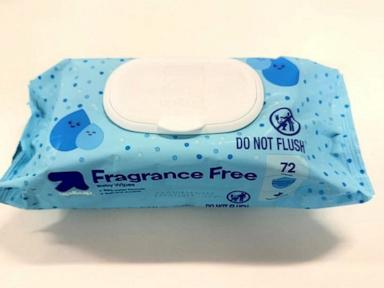
Target recently initiated a voluntary recall of select Up & Up brand baby wipes due to potential bacterial contamination, specifically targeting products suspected of harboring Burkholderia cepacia. This complex organism poses severe health risks to infants and individuals with compromised immune systems. While the retail giant framed the move as a precautionary measure, the incident exposes systemic vulnerabilities in private-label manufacturing and retail supply chains. When major brands outsource production to third-party contract manufacturers, accountability frequently thins out across a web of sub-contractors, leaving consumers vulnerable to contamination risks before a product ever hits store shelves.
The Hidden Machinery of Private Label Manufacturing
Major retailers do not own the factories that mix, slice, and package their store-brand essentials. Instead, they rely on a shadow network of contract manufacturing organizations. These massive, anonymous facilities run twenty-four hours a day, churning out identical formulations for competing retail chains. The only difference is the plastic film wrapped around the final product.
This system keeps costs low. It keeps shelves stocked. It also creates a massive single point of failure.
When a biological contaminant enters a high-volume manufacturing facility, it rarely stays confined to a single batch. Water systems, air filtration units, and stainless-steel mixing vats can host persistent biofilms. These microscopic communities of bacteria shield pathogens from standard sanitization protocols. A failure at a single facility in Ohio or Texas can spark a simultaneous recall across dozens of separate retail brands nationwide, catching corporate compliance officers completely off guard.
Why Burkholderia Cepacia Invades Wet Wipes
Baby wipes are inherently vulnerable to microbial growth. They are comprised of non-woven fabrics drenched in a water-based solution, stored in warm warehouses, and designed to sit in plastic tubs for months. Water is life. For bacteria, a package of wet wipes is a luxury suite.
Manufacturers combat this by using complex preservative systems. These chemicals halt microbial reproduction without irritating a baby's sensitive skin. It is a razor-thin balancing act. If the formulation leans too far toward safety, the wipes cause chemical burns or severe diaper rash. If the preservative concentration drops by a fraction of a percent, bacteria take over.
Burkholderia cepacia is a particularly resilient opponent. It resists many common antibiotics and survives in environments with minimal nutrients.
In a manufacturing plant, this bacterium typically gains a foothold in the water purification systems. If a facility relies on outdated reverse osmosis filters or fails to clear stagnant lines, a film develops. Once inside the plumbing, the bacteria slough off into the product mixture during formulation. The preservatives, weakened by precise corporate cost-cutting measures, fail to neutralize the threat.
The Financial Math Behind Voluntary Recalls
Corporate press releases favor the word "voluntary" because it projects an image of proactive corporate citizenship. The reality is far more transactional.
Retailers monitor customer return data, internal laboratory audits, and supply chain anomalies in real time. When the risk of a class-action lawsuit or a mandatory Food and Drug Administration shutdown outweighs the cost of pulling inventory, the recall button is pushed. It is a calculation rooted in liability management.
+----------------------------+----------------------------+
| Action                     | Primary Corporate Driver   |
+----------------------------+----------------------------+
| Internal Batch Testing     | Preempting regulatory scan |
+----------------------------+----------------------------+
| Voluntary Recall Push      | Mitigating legal liability |
+----------------------------+----------------------------+
| Formula Reformulation      | Restoring consumer trust   |
+----------------------------+----------------------------+
A mandatory recall by regulatory bodies carries immense stigma. It triggers deep federal investigations, unannounced facility inspections, and public relations nightmares that can depress stock prices for quarters. By declaring a voluntary recall, a corporation retains control of the narrative, dictating the timeline and scope of the public announcement.
Overlooked Vulnerabilities in Global Raw Material Sourcing
The investigation into any product contamination cannot stop at the mixing vat. Every chemical component has its own passport. The plastic fibers, the aloe vera extracts, the surfactants, and the packaging materials travel thousands of miles before they converge in a finished product.
The Fiction of Complete Traceability
Corporate compliance officers boast about automated tracking systems that follow a ingredient from earth to shelf. This transparency is largely an illusion.
When a broker buys raw chemical ingredients in bulk, they frequently mix batches from different regional distilleries to fulfill massive corporate orders. If a specific farm or chemical plant in Southeast Asia allows a batch of stabilizing agent to ferment or degrade, that contaminated component is blended directly into the pristine global supply. By the time a laboratory technician in the United States detects an anomaly, the original source material is completely untraceable, buried under layers of international customs manifests and shell corporations.
Cost Pressures vs Safety Margins
Inflationary pressures have forced consumer packaged goods companies to re-evaluate their procurement strategies. Pennies matter when manufacturing billions of units.
To maintain historic profit margins without raising shelf prices to untenable levels, procurement departments squeeze suppliers. They demand cheaper raw materials. They stretch delivery schedules. They accept wider tolerances for quality control deviations. When you force a chemical supplier to drop prices by ten percent, they do not take a loss. They cut corners on batch testing, reducing the frequency of micro-biological assays and relying on visual inspections rather than rigorous laboratory validation.
The Regulatory Gap in Personal Care Products
The public assumes that items lining the baby care aisle undergo the same rigorous vetting as pharmaceuticals. This is a dangerous misconception. The regulatory framework governing personal care items is fundamentally reactive, relying on industry self-policing until bodies start showing up in clinics.
Federal inspectors are chronically underfunded and understaffed. They cannot monitor every production line in real time. Instead, the system operates on an honor code where corporations report their own infractions. When a company discovers a hot batch, they are not legally mandated to notify the public immediately unless the contamination meets specific threshold criteria of imminent lethality. This creates a dangerous lag time between the moment a corporate lab flags a pathogen and the moment a parent receives an alert on their smartphone.
Restructuring the Modern Supply Chain
Fixing this structural failure requires more than updated press releases or cosmetic changes to corporate social responsibility pages. It demands a fundamental realignment of how consumer goods are brought to market.
Corporations must abandon the pursuit of hyper-optimized, low-margin supply chains that lack redundancy. They need to invest in regionalized manufacturing hubs, reducing the transit time and complexity of raw material sourcing. More importantly, third-party audits must be stripped of corporate funding. So long as a manufacturing plant pays the very auditors tasked with grading its safety, the results will remain hopelessly compromised. Real safety requires independent, unannounced testing funded by industry-wide tariffs, creating a firewall between profit motives and public health.
The current model prioritizes immediate shelf availability and rock-bottom pricing above all else. Until consumers demand absolute transparency regarding the third-party entities actually mixing these products, the cycle of contamination and corporate apology will continue uninterrupted. Brand loyalty is a relic of an era when companies made what they sold. Today, you are buying a logo pasted onto an anonymous container, and the risk remains entirely yours.