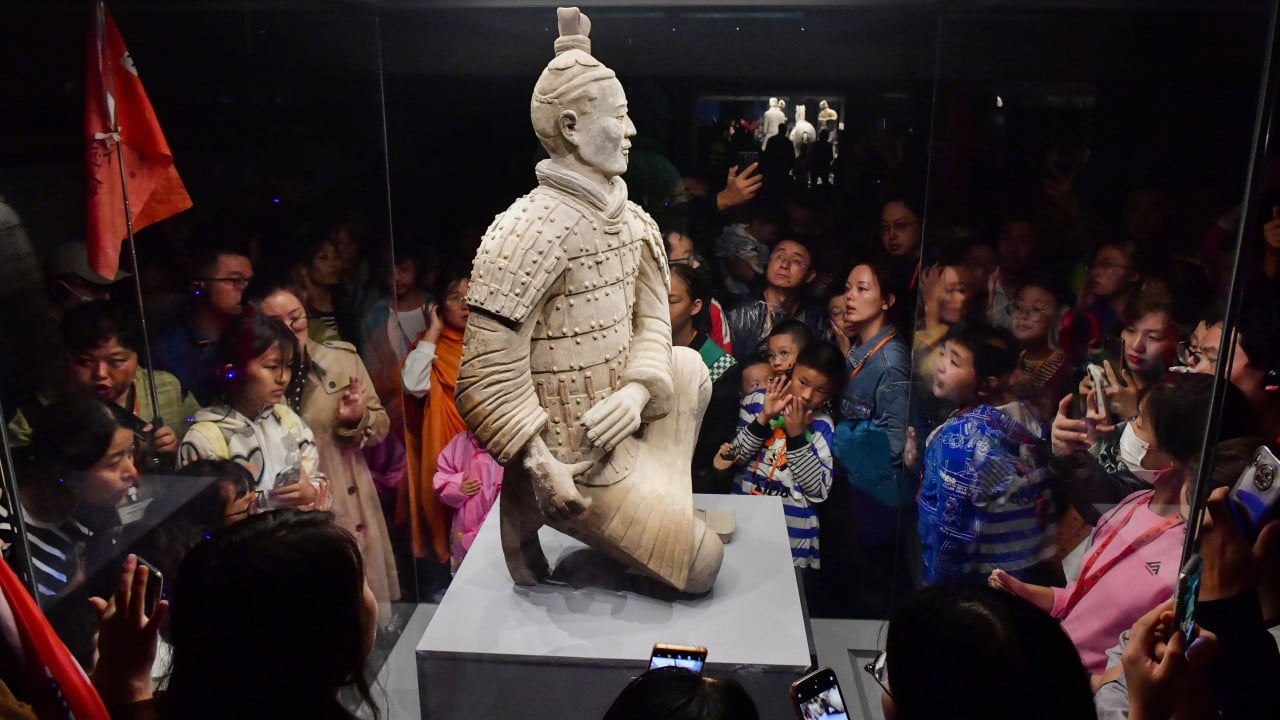
When the lights went out at the Emperor Qinshihuang's Mausoleum Site Museum in Xi'an, the immediate reaction was digital. Visitors whipped out their smartphones, illuminating the subterranean chambers with cold LED beams to gaze at clay infantrymen crafted more than two millennia ago.
That sudden blackout, triggered by aging equipment and surging summer visitor volume, exposed far more than vulnerable electrical grids. It exposed a systemic complacency threatening world-class antiquities across the globe.
National regulators in Beijing responded with a sweeping nationwide cultural safety review, targeting the dangerous friction point between mass tourism revenue and basic infrastructural maintenance. Yet, the official narrative focusing purely on emergency preparedness masks a much deeper, structural rot within heritage site management.
The Anatomy of a Subterranean Failure
A museum housing an army of eight thousand life-sized ceramic soldiers is not a standard exhibition hall. It is a massive archaeological vault requiring precise atmospheric controls, constant climate monitoring, and fail-safe redundancy.
When power failed across the Xi'an complex, ticket scanners kept clicking. Staff members allowed thousands of unsuspecting tourists to flood into pitch-black halls without offering clear instructions or immediate hazard warnings.
The primary driver behind this lapse was financial inertia. For years, major cultural institutions have leaned heavily on volume-based metrics of success. Record-breaking visitor counts look impressive on annual municipal reports, but they quietly degrade the internal machinery keeping ancient organic and ceramic materials safe.
- Electrical transformers dating back decades are routinely pushed past capacity.
- Backup diesel generators sit unserviced, dependent on bureaucratic sign-offs to release emergency funds.
- Crowd management protocols prioritize throughput over physical safety or artifact security.
When the system crashed, the ticket gates remained active while environmental controls died. That detail reveals a terrifying inversion of priorities. Revenue collection outpaced risk management by miles.
The Cost of Overcrowding and Overtourism
Heritage sites face an unrelenting push to monetize every square foot of floor space. Summer peak seasons regularly flood enclosed pits with human bodies, spiking humidity levels and taxing ventilation systems designed in the late twentieth century.
When air conditioning units fail simultaneously with primary power grids, the microclimate inside the pits shifts violently. Ceramic figures that have stabilized in controlled conditions for decades are suddenly subjected to erratic temperature swings and moisture spikes brought on by thousands of exhaling tourists trapped in the dark.
Local tourism authorities initially stumbled when confronted with demands for refunds, citing locked financial software systems that prevented manual override. Think about that administrative excuse for a moment. A world heritage site generating millions in annual gate receipts was paralyzed because a computer terminal could not process a refund without a live network connection.
This administrative brittleness shows how deeply digitized and dependent modern heritage management has become on fragile infrastructure. When the server goes down or the grid fails, institutional common sense goes down with it. Frontline staff have their hands tied by software locks, leaving them unable to make basic safety or customer service decisions.
Beyond the Power Grid
The blackout in Shaanxi province is merely the latest symptom of a wider malaise affecting high-profile antiquities management. Over the past several years, safety breaches at the site have ranged from security perimeter violations to erratic maintenance schedules.
Each incident sparks an identical bureaucratic cycle.
- A public relations embarrassment occurs on social media.
- Regional administrators issue stern, mandatory circulars demanding self-inspection.
- Local management implements cosmetic fixes while leaving underlying structural deficiencies untouched.
The cultural safety review ordered by the National Cultural Heritage Administration demands tighter emergency responses and rigorous risk assessments. But circulars and checklists cannot substitute for structural overhauls.
As long as regional tourism boards treat ancient mausoleums primarily as cash cows rather than fragile archaeological preserves, these crises will recur. The next failure might not involve a temporary blackout solved by smartphone flashlights. It could involve irreversible damage to priceless historical assets buried beneath the weight of unchecked foot traffic and decaying infrastructure.
True reform requires cutting visitor caps during peak seasons, investing heavily in redundant subterranean power loops, and granting frontline staff the autonomy to prioritize human safety and artifact preservation over the relentless ticking of the turnstiles. Until those fundamental economic incentives shift, the guardians of China's first emperor remain at the mercy of aging wires and administrative neglect.