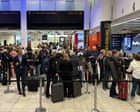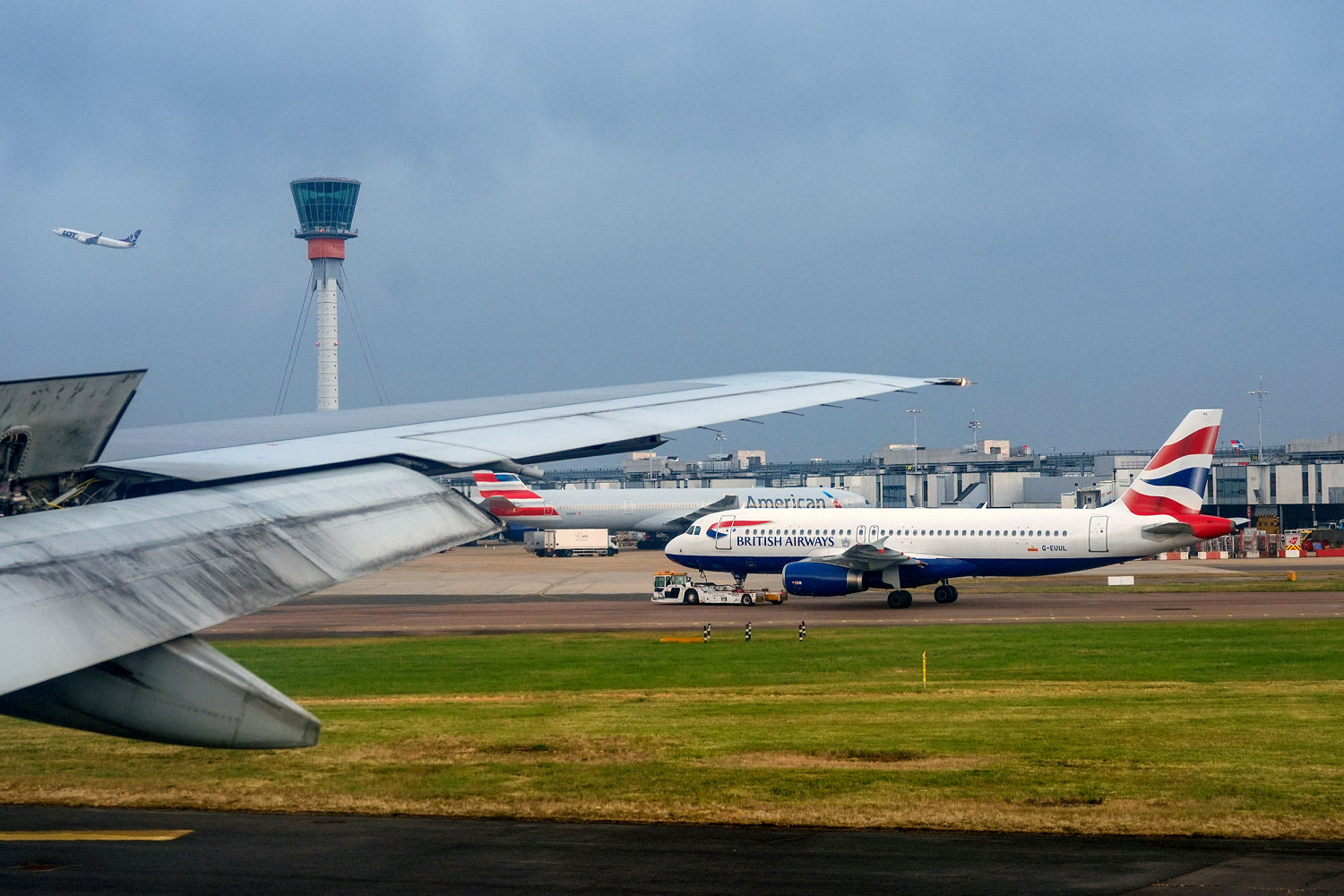
Another technical failure at National Air Traffic Services (Nats) has triggered widespread flight cancellations and severe delays across major British hubs including Heathrow, Gatwick, and Manchester, laying bare the chronic fragility of the UK's aviation infrastructure. When the flight processing system locked up, hundreds of departures were abruptly restricted, leaving aircraft stranded on tarmacs, inbound services diverted to continental Europe, and tens of thousands of passengers trapped in cascading schedule gridlocks. While engineers rushed out a temporary patch to restore core system functions, the recurring nature of these total-system vulnerabilities signals an institutional malaise that quick software fixes cannot permanently solve.
Modern air traffic management relies on a delicate balance of automated flight plan parsing, radar feeds, and human oversight. When the central processing architecture stumbles, controllers must instantly clamp down on departure rates to prevent airspace saturation. Safety protocols mandate that if processing systems cannot reliably track and sequence upcoming trajectories, aircraft remain grounded. This protective mechanism prevents mid-air disasters, but it transforms a localized software glitch into a national transport emergency.
The Anatomy of a Systemic Bottleneck
Public statements from aviation authorities often frame these episodes as isolated technical anomalies. Industry veterans know better. Behind every major airspace slowdown lies an aging digital architecture straining to cope with hyper-dense commercial traffic schedules. The UK’s primary air traffic machinery handles millions of passengers annually, operating under narrow margins where any reduction in hourly throughput cascades rapidly across international networks.
Consider a hypothetical scenario to understand the physical multiplier effect. If a core processing queue freezes for just two hours at peak afternoon operating windows, airport arrival slots bunch up, outbound aircraft miss their designated departure windows, and aircraft crews exceed their legally mandated duty hours. Fixing the server code does not instantly reposition a Boeing 777 or an Airbus A320 stranded in Brussels back to its morning gate in London.
Commercial airlines absorb the immediate operational punishment while pointing fingers at monopoly infrastructure providers. Executives at carriers like Ryanair and EasyJet routinely demand executive accountability, citing millions of pounds in lost revenue and unrecovered compensation payouts. Yet the structural friction persists because the UK operates under a privatized, cost-regulated model where long-term capital investments in redundant backup architectures often clash with short-term efficiency metrics.
Why Legacy Code Meets Modern Demands
The core vulnerability stems from the gradual patching of legacy systems rather than clean-sheet overhauls. Air traffic control software combines decades-old mainframe logic with modern graphical interfaces and data feeds. Integrating new flight-management protocols into decades-old codebases creates hidden tripwires.
Engineers working under immense pressure must diagnose cryptic error logs while the entire national airspace operates live. Unlike consumer tech companies that can roll back a faulty app update for a subset of users, aviation infrastructure offers zero room for iterative trial and error. Every update must be bulletproof, yet the frequency of recent failures suggests that testing environments fail to replicate the sheer entropy of peak-season European traffic loads.
Furthermore, post-pandemic travel patterns have eliminated traditional quiet periods. The old winter lull used to provide ample downtime for deep system overhauls and hardware modernization. Today, high-volume travel extends deep into the shoulder months, leaving narrow operational windows for critical maintenance. When an update or a minor memory leak triggers a system freeze during a busy Tuesday afternoon, the network buckles instantly.
The Passenger Cost of Infrastructure Deficits
Travelers bear the ultimate burden of these engineering failures, often trapped in regulatory gray zones. Under standard UK and European aviation regulations, technical issues originating from air traffic control providers are categorized as extraordinary circumstances. This classification exempts airlines from paying direct statutory compensation for delayed or canceled journeys, leaving passengers scrambling to claim reimbursement through travel insurance policies or credit card protections.
The frustration extends beyond missed holidays or corporate meetings. It erodes trust in the fundamental reliability of European transit networks. When a single software crash at a control center halts flights from Edinburgh to Southampton, it exposes a central point of failure that compromises national economic productivity.
Regulators have previously ordered comprehensive reviews of contingency planning, demanding better failover mechanisms and transparent risk assessments from infrastructure operators. Yet successive incidents prove that oversight bodies have lacked the teeth to force a rapid, generational modernization of the underlying hardware and software stack.
Until structural investments match the relentless complexity of modern European airspace, passengers will continue to pay the price for digital debt accumulated over decades. The fix deployed today gets planes back in the air, but it leaves the underlying door wide open for the next inevitable collision between legacy code and modern sky density.