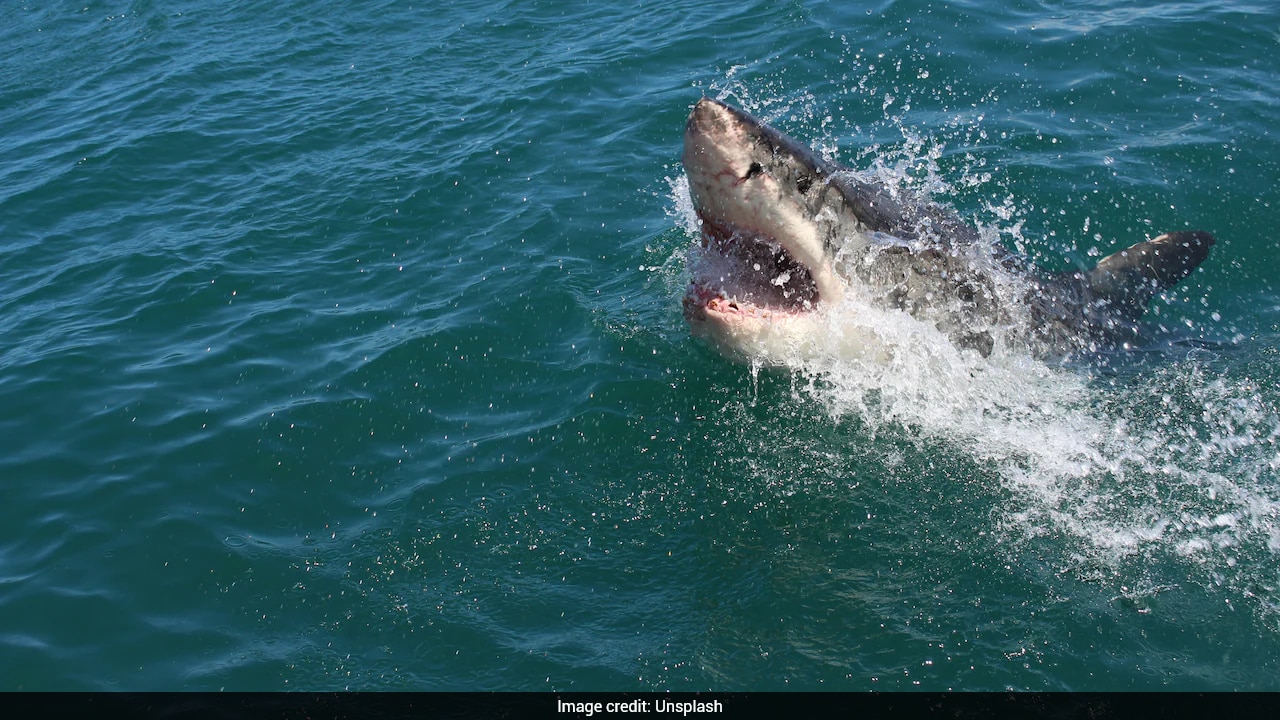
The ocean does not negotiate, and neither do the politicians scrambling to respond when the ancient contract between man and apex predator breaks down. Following the fatal mauling of 63-year-old swimmer Greg O'Neill at Perth's Sorrento Beach, the Western Australian government did something extraordinary. They authorized a rare catch-and-kill order, empowering fisheries officers to hunt down and destroy the great white shark believed responsible for the tragedy. Within days, under mounting public friction and practical impossibility, the order was suspended.
This cycle of grief, political panic, and swift bureaucratic retreat highlights a deeper, unresolved emergency along Australia’s sun-drenched coastlines. Every time a catastrophic encounter occurs in metropolitan waters, the state faces an impossible dilemma. How do you govern a population that loves the sea while sharing it with one of the most efficient marine hunters on earth?
To understand the panic, look at the geography. O’Neill was attacked in broad daylight while swimming with a friend at a popular metropolitan beach. This was not an isolated deep-water dive off a remote reef. This happened yards from the shore of a major capital city. Witnesses described the surreal terror of the moment, a stark reminder that urban coastal living in Australia offers a thin illusion of safety. When a tragedy strikes this close to a populated café strip, public pressure demands an immediate, visible reaction from the state government.
Enter the lethal order. Historically, Western Australia has occasionally resorted to these targeted destruction directives under specific emergency criteria. The logic is raw and visceral. If an individual animal exhibits predatory behavior toward humans in a high-density area, removing it theoretically neutralizes an immediate threat.
Yet, marine science tells a different story. Finding a specific great white shark in the vast, shifting currents of the Indian Ocean is nearly impossible. Sharks do not loiter at crime scenes waiting for law enforcement. Within hours, a suspect animal can travel dozens of miles, blending seamlessly with dozens of other transient apex predators.
Public blowback was swift and fierce. Environmental advocates and marine biologists pointed out the logical fallacy of hunting an unbanded, unidentifiable fish in an open ecosystem. How do authorities ensure they kill the right animal? More importantly, does the targeted removal of a single shark alter the underlying statistical reality of ocean encounters? The answer is an uncomfortable no. Culling or targeted killing functions primarily as a psychological balm for a traumatized community rather than a proven scientific safety measure.
The suspension of the Sorrento Beach order exposed the fragility of knee-jerk governance in wildlife management. Fisheries Minister Jackie Jarvis and Deputy Premier Rita Saffioti defended the initial call as an exceptional response to an exceptional tragedy. They were right about the horror of the event, but wrong about the utility of the remedy. Governments hate looking helpless. When citizens are killed by marine wildlife, politicians feel compelled to pull every available lever, even when those levers are functionally useless.
Instead of reactive vengeance, the real work lies in proactive mitigation. Western Australia has invested heavily in drum lines, helicopter patrols, satellite-linked acoustic receivers, and personal deterrent devices. These measures do not offer absolute immunity. The ocean remains a wild, untamed frontier. Accepting that risk is the unspoken tax of coastal habitation.
When we step past the shoreline, we willingly drop down the food chain. Pretending that a targeted hunt can restore a pristine safety bubble is a dangerous political fiction. The authorities did the right thing by calling off the hunt, but the underlying anxiety remains unresolved. Until society learns to accept the absolute sovereignty of the marine environment without demanding administrative vengeance, we are doomed to repeat this painful theater every time the red line of nature crosses our own.