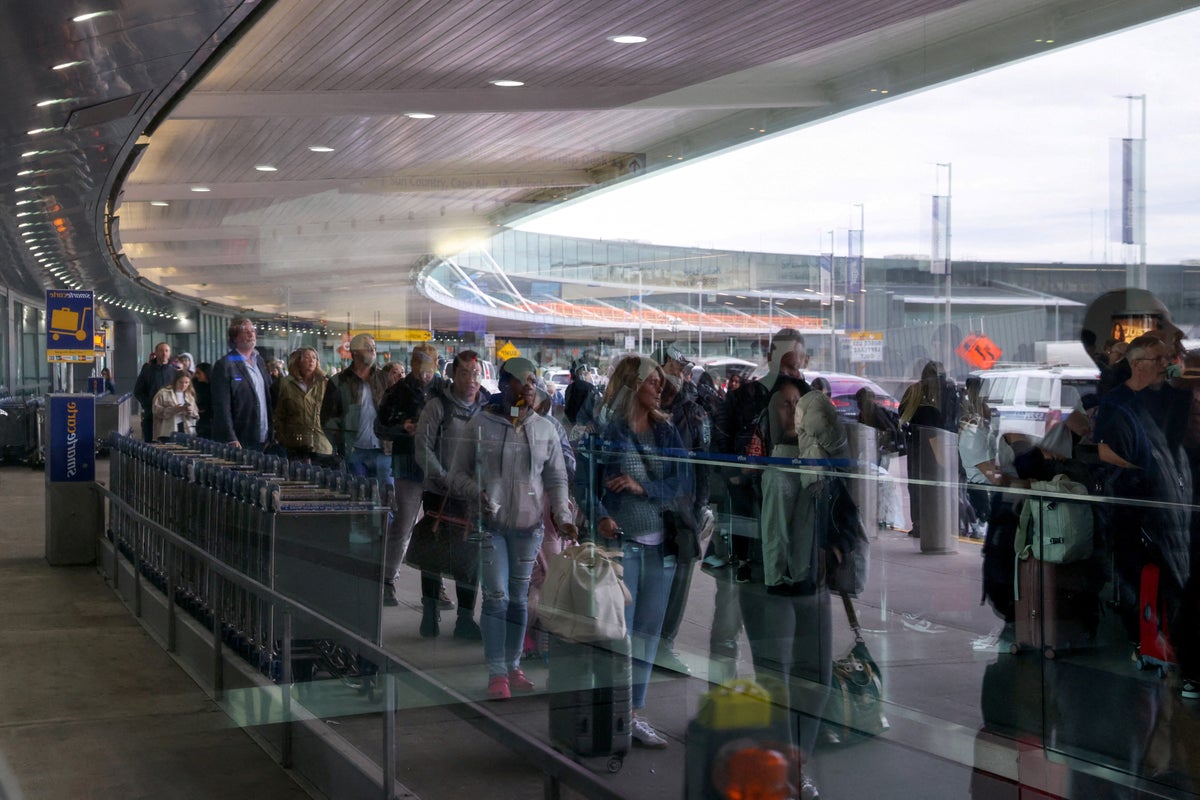
The airport terminal is a cathedral of transition. It is a place where we trade our hard-earned currency for the promise of a different version of ourselves—the version that relaxes on a beach in Langkawi or closes a career-defining deal in Kuala Lumpur. When we click "book" on a site like MakeMyTrip, we aren't just buying a seat on a metal tube. We are buying a contract of trust. We believe that if the world tilts and the flight vanishes, the gatekeepers of our journey will catch us.
For one traveler in Delhi, that trust didn't just crack. It evaporated into the thin, pressurized air of corporate indifference.
The story begins with a simple transaction, the kind millions of us perform with a flick of a thumb. A ticket was purchased. Malaysia Airlines was the carrier; MakeMyTrip was the digital conduit. It seemed standard. Routine. But when the flight was canceled, the traveler entered a purgatory familiar to anyone who has ever been stuck in a loop of automated chat-bots and "please hold" elevator music.
The Ghost in the Machine
Consider the psychological toll of the "canceled" notification. It is a sudden severance. One moment you have a plan; the next, you have a digital ghost. The traveler reached out to the airline. They reached out to the booking platform. They did everything we are told to do. They followed the breadcrumbs of policy.
They were met with a wall of silence.
This is the hidden friction of the modern travel industry. We have prioritized the speed of the transaction over the depth of the accountability. When the money moves from your bank account to the provider, the "synergy" is instant. When the money needs to move back, the gears suddenly grind to a halt. The system becomes a labyrinth designed to exhaust the seeker.
The traveler's case eventually landed before the Delhi Consumer Commission. It wasn't just about a few thousand rupees. It was about the principle of the "Invisible Passenger"—the person who pays for a service, receives nothing, and is expected to simply absorb the loss as the cost of doing business.
The Illusion of the Middleman
MakeMyTrip argued a classic defense. They were merely the platform. The bridge. The digital storefront. In their view, if the bridge leads to a collapsed road, the bridge builder isn't responsible for your car's suspension. They claimed they had transferred the funds to Malaysia Airlines and, therefore, their hands were clean.
The Commission saw it differently.
When you use a third-party aggregator, you aren't just using a search engine; you are using a service provider. The law in India is beginning to recognize that these platforms cannot enjoy the profits of the "middleman" position without accepting the liabilities of the "agent" position. If you take the convenience fee, you take the responsibility.
The commission noted a "deficiency in service." It sounds like a dry, bureaucratic phrase. In reality, it is a polite way of saying the customer was abandoned.
The Anatomy of a Penalty
The ruling was a sharp slap to the wrist of corporate apathy. Malaysia Airlines was ordered to refund the ticket amount—roughly 47,000 rupees—with interest. But the real sting came for MakeMyTrip. They were slapped with a penalty for the mental agony and harassment caused to the passenger.
Interest.
Compensation.
Litigation costs.
These aren't just numbers on a balance sheet. They are a quantification of the hours spent on hold. They are the price of the stress that kept the traveler awake at night, wondering why they were being ignored by multi-billion dollar entities.
Think about the power imbalance. On one side, a single individual with a keyboard and a grievance. On the other, a global airline and a dominant tech platform with legions of lawyers and automated systems. For the individual to win, they have to be more than just right; they have to be persistent. They have to refuse to be a statistic.
The Ripple Effect of a Single Ruling
This wasn't an isolated incident. It is a bellwether. The Consumer Commission's decision reinforces a shifting reality in the travel sector: the "not my problem" defense is dying.
If an airline cancels a flight, the refund shouldn't be a quest. It shouldn't require a legal decree to trigger a bank transfer. Yet, we live in a world where companies often bet on the fact that most people will simply give up. They count on your exhaustion. They bank on your busy schedule.
The Delhi ruling sends a message to every aggregator and every carrier operating in Indian airspace. You are responsible for the loop you create. If you facilitate the sale, you must facilitate the resolution.
Beyond the Bottom Line
What is the value of a traveler’s peace of mind?
When we travel, we are vulnerable. We are far from home, relying on strangers to honor their word. When those strangers hide behind fine print and jurisdictional finger-pointing, the very foundation of the industry begins to rot.
We often talk about "customer experience" in terms of UI/UX, fast loading times, and personalized ads. But the true customer experience happens in the dark. It happens when things go wrong. A company's real brand isn't its logo; it’s its refund policy. It’s the way it treats the person who no longer has a seat on the plane.
The traveler in this case didn't just get their money back. They forced the giants to look them in the eye.
The next time you book a flight, look past the glossy images of the destination. Look at the fine print. Remember that behind every "Book Now" button is a complex web of accountability that only works if we demand it does.
The airport terminal remains a cathedral of transition, but for one Delhi resident, the journey didn't end at the boarding gate. It ended in a courtroom, where a simple truth was upheld: a promise made in commerce is a debt that must be paid, whether you are a local traveler or a global titan of the skies.
The silence has finally been broken.