The glowing rectangle resting on your nightstand is not just a telephone. It is a portal, an open window through which a phantom workforce can peer into your life, assess your vulnerabilities, and pull your life savings into the dark.
A modern quiet heist is unfolding across the globe, but its heart beats with feverish, brutal intensity across the Asia-Pacific region. According to estimates from the United Nations, victims in this single corner of the world surrendered up to $114 billion to cyber fraud syndicates in a single year.
One hundred and fourteen billion dollars.
To understand that number, stop thinking about spreadsheets. Think instead about life savings evaporated overnight. Think about retirement plans erased with two taps on a cracked screen. Think about the silent, crushing shame of a widow sitting in a darkened kitchen, staring at an empty bank balance while a ghost on the other side of the planet celebrates another payday.
The Anatomy of the Trap
Consider a hypothetical victim named Sarah. She is sixty-two, recently retired, and living alone in a quiet suburban apartment. Her phone buzzes. A text message appears, polite and slightly apologetic, asking if she is still attending a dinner party she knows nothing about.
She replies with a polite correction. "Wrong number," she types.
"Oh, I am so sorry to bother you," the sender replies. "My assistant must have made a mistake. You seem very kind, though. My name is Alex."
That is the hook. It feels accidental, human, harmless. Over the next six weeks, Alex becomes a constant presence. He sends photos of his morning coffee, asks about her day, listens to her fears about inflation, and gradually builds an fortress of trust. Alex does not ask for money. Not at first. Instead, he casually mentions his success in a niche cryptocurrency trading platform. He shows her screenshots of modest gains. He offers to teach her.
Sarah transfers a hundred dollars. The next day, the screen shows she made twenty dollars in profit. She withdraws it smoothly to her real bank account. The trap springs shut.
Three months later, Sarah has transferred her entire nest egg—$400,000—into a digital void. When she tries to withdraw her funds, the system demands a "tax fee" of $50,000. When she hesitates, Alex vanishes. The app stops working. Her money is gone, routed through dozens of shell wallets before ending up in an offshore bank account.
The Slaves Behind the Screen
The horror of this enterprise is two-sided. The person who stole Sarah's life savings is likely not a mastermind living in luxury. They are, in all probability, a captive.
Across Southeast Asia—in fortified compounds ringing border towns in Myanmar, Cambodia, and Laos—thousands of young men and women are held against their will. Lured by fake job postings promising high-paying customer service or marketing roles, they arrive in regional hubs only to have their passports seized at the airport. They are driven under guard into barbed-wire compounds, handed a script, and given a daily quota of people to scam.
If they fail to reach their target? Beatings. Electric shocks. Solitary confinement. Sleep deprivation.
The United Nations reports indicate that hundreds of thousands of people have been trafficked into these criminal factories. It is an industrial assembly line of suffering. On one end of the digital pipe sits a trafficked worker operating under threat of torture. On the other end sits an unsuspecting citizen losing their home. The syndicate leaders sit in the middle, collecting billions while shielding themselves behind layers of local corruption and encrypted networks.
Beyond Simple Fraud
For years, law enforcement treated online fraud as a nuisance—a series of isolated petty crimes carried out by lone hackers in basements. That assessment was dangerously wrong.
What exists today is an organized, highly sophisticated shadow economy. These syndicates run HR departments, research arms, software development teams, and psychology units dedicated to refining scripts that exploit grief, loneliness, fear, and greed. They run A/B testing on their scam approaches. They purchase leaked personal data from corporate breaches to tailor their approaches with terrifying precision.
The economic fallout stretches far beyond personal bank accounts. When tens of billions of dollars leave the legitimate economy every year, local businesses lose customers. Tax bases shrink. Trust in digital infrastructure, the very backbone of modern commerce, fractures.
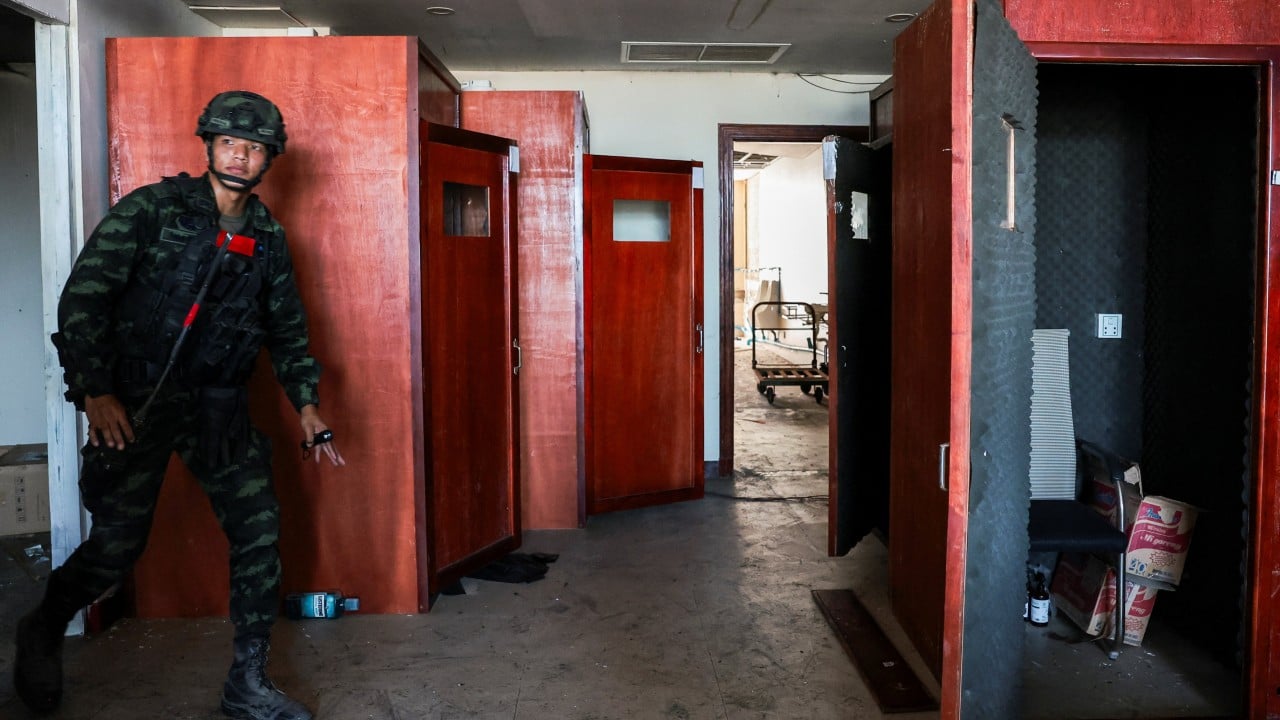
Governments across the Asia-Pacific region are beginning to coordinate, raiding compounds and shutting down illegal telecom towers along porous borders. Yet the scale of the crisis routinely outpaces regional law enforcement capabilities. Shut down one compound in a remote river valley, and three more spring up fifty miles away, powered by satellite internet and untraceable digital currencies.
The Armor of Awareness
Security software cannot completely protect you from an attack aimed squarely at your heart. The algorithms designed to steal your life savings do not hack your phone; they hack your humanity. They exploit your desire for connection, your impulse to help, your fear of falling behind.
Protection begins with a fundamental shift in how we navigate our digital lives:
- Treat unsolicited familiarity as a threat. Real connections rarely begin with a text meant for someone else.
- Verify independently. If an institution or an acquaintance asks for financial action, reach out through a separate, verified line of communication.
- Talk openly about financial fraud. The primary weapon of the scammer is the shame of the victim. By speaking openly with family and elderly relatives about these tactics, the stigma dissolves, making it easier for potential victims to seek help before it is too late.
The phone sits on the desk, quiet and glossy. It is up to us to decide who we let inside.


