The U.S. Navy just drew a line in the water, and so far, nobody is crossing it. If you’ve been watching the headlines about the 2026 Iran conflict, you know the stakes couldn’t be higher. On April 16, 2026, the Pentagon confirmed that the naval blockade of Iran is officially "fully implemented," and the early data suggests it’s choking off the Iranian economy faster than many expected.
General Dan Caine, Chairman of the Joint Chiefs of Staff, didn't mince words during his latest briefing. He made it clear that the U.S. is "locked and loaded," ready to pivot from this economic squeeze to direct military strikes at the push of a button. But for now, the strategy is about control, not explosions. The U.S. is essentially running a high-stakes "turn around or be boarded" policy that has already forced at least 13 major vessels to tuck tail and head back to port.
Choking the Persian Gulf without firing a shot
The mechanics of this blockade are fascinating if you're into naval strategy. We aren't just talking about a few destroyers sitting in a row. This is a layered, high-tech net draped across the Gulf of Oman and the Strait of Hormuz.
The U.S. is using the USS Abraham Lincoln carrier strike group as the hammer, but the real work is being done by a "massive force" of intelligence aircraft, drones, and helicopters. They aren't just looking for ships; they’re tracking where those ships came from.
- Impartial Enforcement: The U.S. is stopping ships from any nation if they're coming from or going to an Iranian port.
- The AIS Trap: Many vessels are trying to "go dark" by turning off their Automatic Identification System (AIS) beacons or faking their GPS coordinates.
- Real-Time Interception: The Navy is letting ships clear the Strait of Hormuz before intercepting them in open water. This gives the U.S. more room to maneuver and reduces the chance of a cramped, accidental skirmish in the narrow strait itself.
It’s working. Shipping data from firms like Kpler and Windward shows that traffic to Iranian ports has basically evaporated. On the first full day of the blockade, only eight vessels—mostly already sanctioned or linked to Tehran—even tried to make the transit.
The $400 million a day problem
Money talks, and right now, Iran is losing about $435 million every single day. That’s the estimated cost of the lost imports and exports according to maritime analysts.
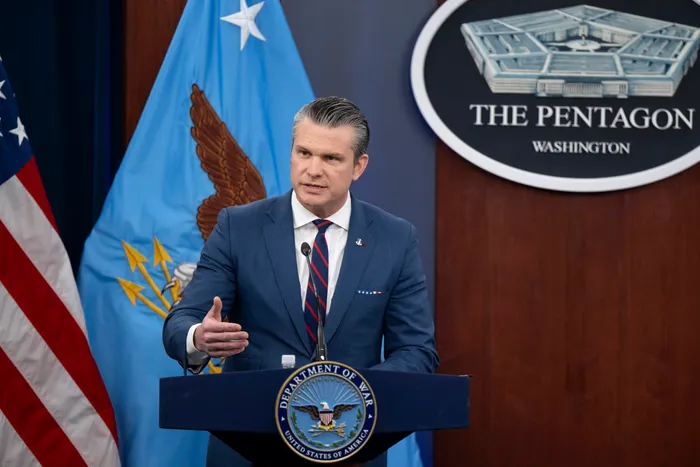
Iran only has about 13 days of oil storage capacity. Think about that. If they can't move their oil out, they have to shut down the fields. If you shut down an oil field improperly, you risk permanent damage to the reservoirs. The U.S. knows this. Secretary of Defense Pete Hegseth basically told Tehran that they can try to "dig out" of the damage, but they won't be able to "reconstitute" what they lose.
It's a brutal economic reality. While Iran has threatened to retaliate by blocking all trade in the region—including the Red Sea—the U.S. is betting that the presence of 10,000 personnel and a dozen warships will make them think twice.
What most people get wrong about the ceasefire
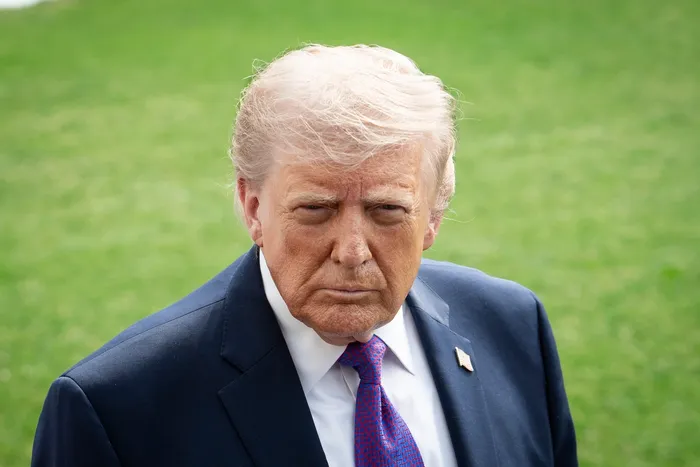
There’s a lot of confusion about how a blockade can exist during a ceasefire. On April 8, both sides agreed to a two-week pause in direct fighting. But when the Islamabad Talks collapsed on April 12, President Trump decided the "polite" phase of negotiations was over.
The U.S. position is that the blockade isn't a violation of the ceasefire because they aren't (yet) dropping bombs. Iran obviously sees it differently, calling it a "prelude to violating the ceasefire."
Honestly, it’s a semantic game. The U.S. is using this "pause" to rearm and adjust tactics. Admiral Brad Cooper, head of U.S. Central Command, called the military a "learning organization." They’re literally rebuilding captured Iranian drones, slapping "Made in America" stickers on them, and getting them ready to send back. It's psychological warfare as much as it is physical.
The rule book for the blockade
To keep things from spiraling into a world war, the Navy is following a specific set of engagement rules:
- Direct Communication: Warships issue clear verbal warnings to approaching ships.
- Boarding Parties: If a ship refuses to turn around, U.S. sailors are prepared to board and seize the vessel.
- Humanitarian Exceptions: There is talk that food and medicine might be allowed through, but "neutral" status is currently a very gray area that the Pentagon hasn't fully defined.
Why this matters for your wallet
If you’ve noticed your gas prices spiking, this is why. The Strait of Hormuz handles about 20% of the world's daily oil consumption. Even though the U.S. says "neutral" ships not going to Iran are safe, the "extremely high risk" environment has caused overall traffic in the area to drop by 90%.
Most commercial shipping companies won't risk their billion-dollar assets in a zone where "unknown projectiles" and undersea drones have already killed 11 crew members this year. We're looking at a global supply chain ripple effect that could lead to higher inflation if this standoff lasts more than a few weeks.
Practical steps for tracking the situation
If you want to stay ahead of how this affects the markets or regional stability, don't just wait for the nightly news. Watch the data.
Check maritime tracking sites for "dark" ship activity in the Gulf of Oman. If you see a sudden cluster of ships idling outside the blockade line, that’s a sign of an impending confrontation. Also, keep a close eye on the price of Brent Crude; it's the most sensitive barometer for how the world views the risk of this blockade turning into a hot war.
The ceasefire officially expires in about a week. Unless diplomats can pull a miracle out of their hats, the "turn around or be boarded" phase might be the last bit of quiet we get before things get significantly louder.