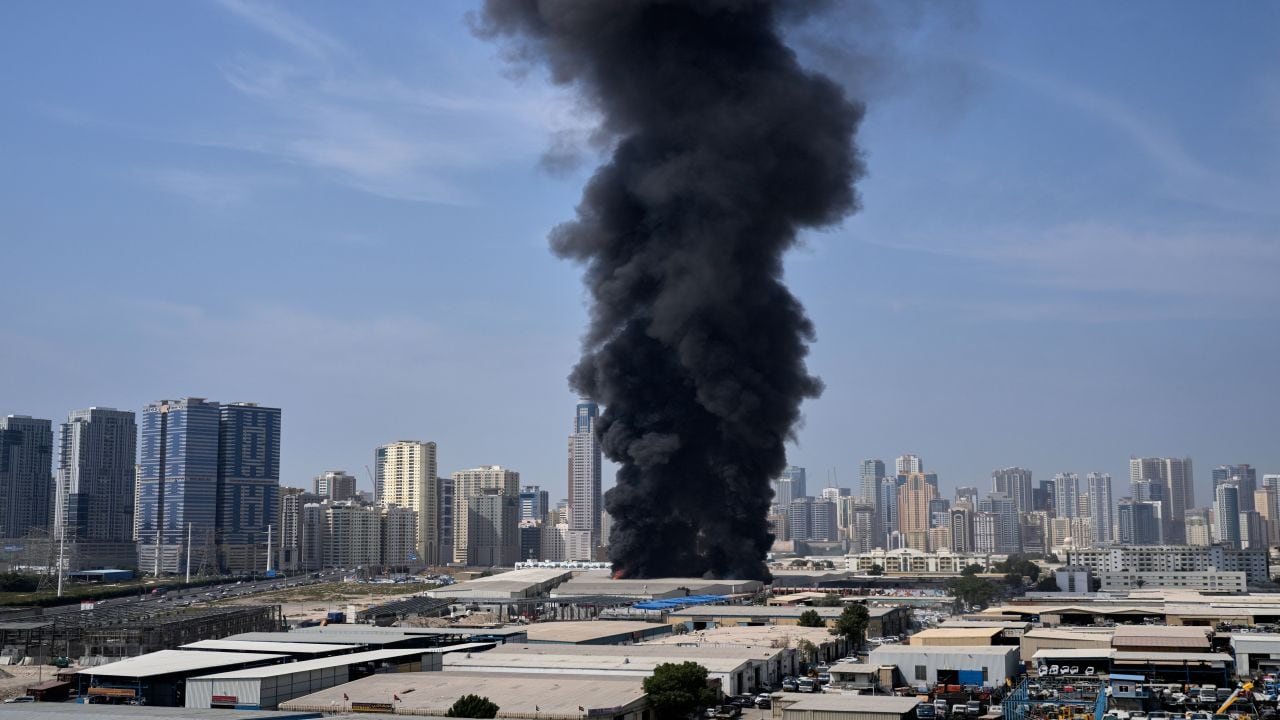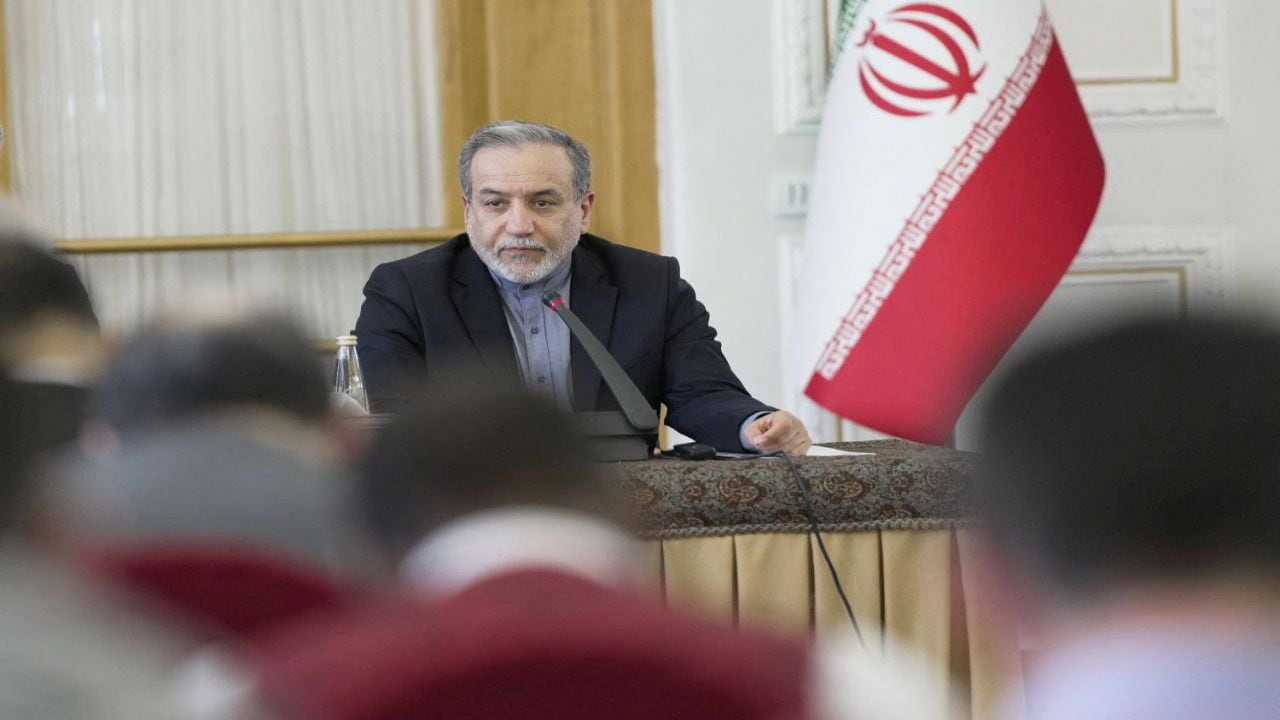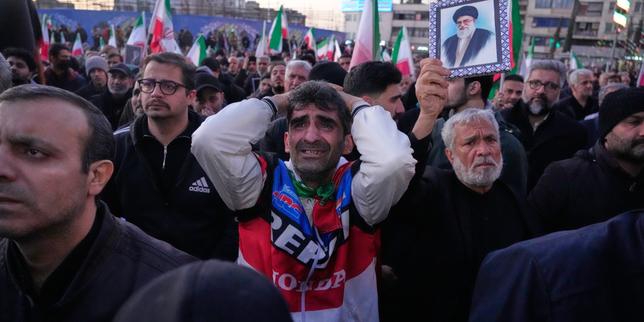
The death of Supreme Leader Ali Khamenei will not trigger a vacuum of power; it will activate a pre-engineered stress-test of the Islamic Republic’s structural redundancies. The survival of the Iranian regime depends on the synchronization of three distinct power centers: the Office of the Supreme Leader (Beit-e Rahbari), the Islamic Revolutionary Guard Corps (IRGC), and the Assembly of Experts. While Western analysis often focuses on the personality of the successor, the true analytical weight lies in the Institutional Preservation Function. This function dictates that the regime will prioritize continuity of the "System" (Nezam) over the ideological purity or charismatic authority of any single individual.
The Institutional Triad of Power Transfer
To understand the transition, one must map the constitutional mechanisms against the informal shadow networks that hold actual executive force. The Iranian constitution mandates that the Assembly of Experts—an 88-member body of clerics—elects the next leader. However, the Assembly functions as a rubber-stamp for a consensus already reached within the IRGC and the Beit.
- The Assembly of Experts (The De Jure Validator): Their role is to provide the veneer of religious and constitutional legitimacy. The Assembly's "Succession Committee" maintains a classified list of candidates. The selection process is a filter, not an election, designed to exclude any candidate who might threaten the IRGC’s economic interests or the Beit’s intelligence monopoly.
- The IRGC (The Kinetic Guarantor): The Revolutionary Guard has transitioned from a military wing to a state-within-a-state. Their primary concern is the protection of their massive industrial-financial complex. Any successor must be a "Weak Leader" or a "Collaborative Leader" who will not attempt to re-subordinate the military to the clerical establishment.
- The Beit-e Rahbari (The Administrative Hub): Currently led by Mojtaba Khamenei and high-ranking advisors, this office controls the flow of information and access to the Leader. They manage the "Strategic Intelligence Assets" that will be used to leverage or blackmail members of the Assembly during the transition period.
The Cost Function of Civil Unrest
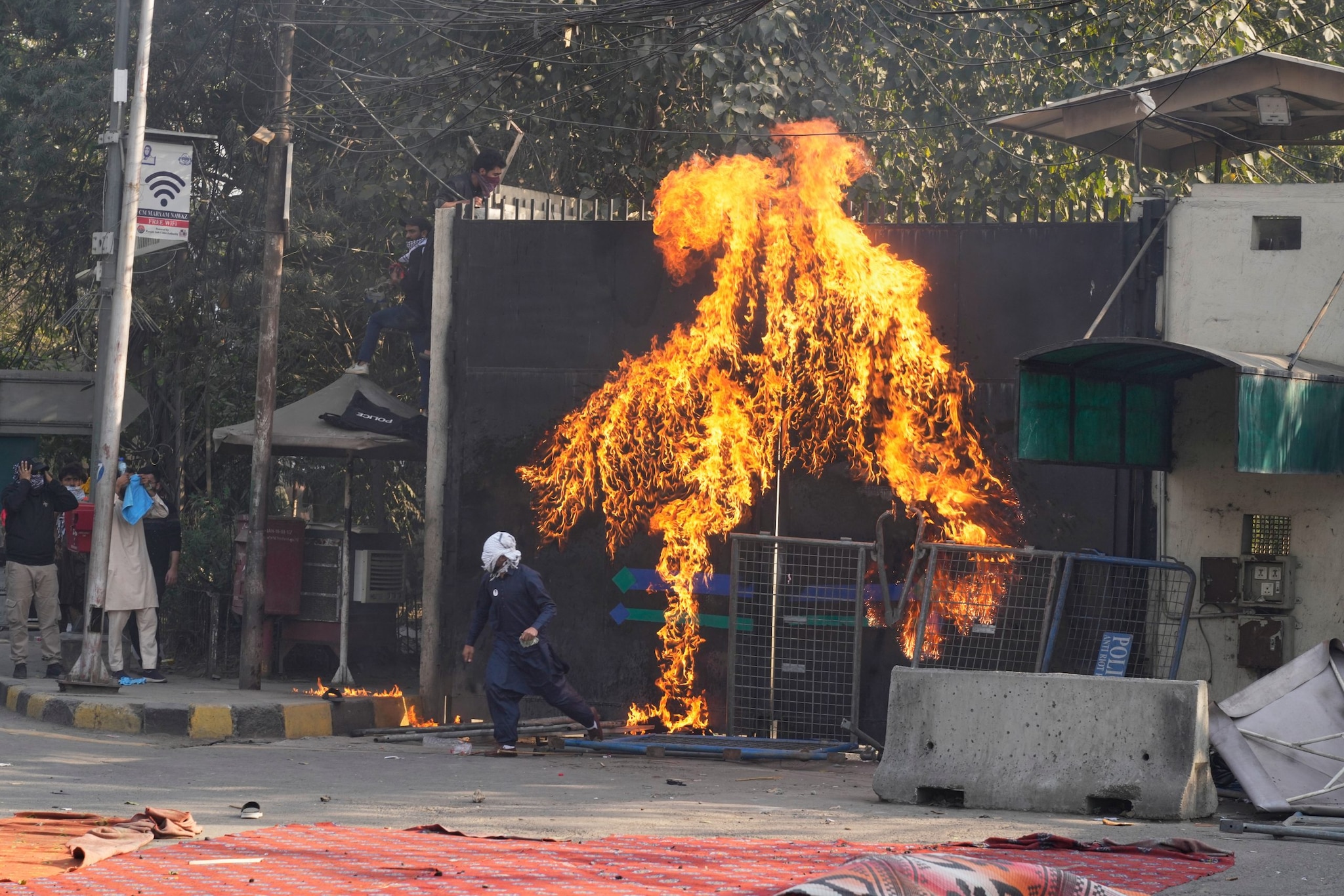
The regime’s calculation for survival is a direct trade-off between the Cost of Repression and the Probability of Defection. During the transition, the risk of mass protests is at its peak. The regime’s strategy to mitigate this risk involves a three-stage suppression protocol.
- Information Asymmetry: The first move in the event of Khamenei’s death is a total "Internet Blackout" or a transition to the National Information Network (NIN). By severing external communication, the regime prevents the coordination of flash protests and controls the narrative of the succession.
- Kinetic Saturation: The Basij militia and IRGC Ground Forces are deployed to high-density urban centers before the death is even announced. The goal is to make the "Cost of Participation" for a protester appear fatal and inevitable.
- Elite Cohesion: The regime prevents internal fractures by ensuring that the "Spoils of State" remain distributed among the top 2,000 families of the security and clerical elite. If the IRGC believes their assets are safer under the status quo than in a reformed system, they will remain loyal.
The Mojtaba Khamenei Variable
The candidacy of Mojtaba Khamenei, the Supreme Leader’s second son, represents the "Dynastic Pivot." While the 1979 Revolution was explicitly anti-monarchical, the regime’s evolution has favored a "hereditary clerical" model. The friction here is not just ideological; it is a matter of Legitimacy Scarcity.
The second limitation of a Mojtaba succession is the lack of religious credentials. To become Supreme Leader, one must traditionally hold the rank of Ayatollah. Mojtaba has been fast-tracked through the seminary system, but his authority is political, not theological. This creates a bottleneck: he requires the endorsement of the Maraji (Grand Ayatollahs) in Qom, many of whom remain wary of the IRGC’s total dominance. If the Qom establishment withholds support, the regime loses its "Divine Mandate" and must rely purely on "Kinetic Mandate" (force).
Economic Resilience and the Shadow Budget
The successor will inherit an economy defined by "Maximum Pressure" and systemic corruption. The survival of the regime during the transition is funded by the Setad (Execution of Imam Khomeini’s Order), a conglomerate with assets estimated at over $95 billion. This shadow budget allows the regime to function outside the official state budget, which is subject to parliamentary oversight and international sanctions tracking.
The financial logic of the transition is to ensure that the "Security Wage" is paid. As long as the rank-and-file members of the IRGC and the police are paid in a currency that maintains local purchasing power (often through access to subsidized goods and black-market arbitrage), the risk of a military coup or mass desertion remains statistically low.
The Regional Deterrence Equation
Succession does not happen in a vacuum. The Iranian "Forward Defense" doctrine—utilizing proxies in Lebanon, Iraq, Yemen, and Syria—serves as a defensive perimeter. The IRGC’s Quds Force will likely increase regional volatility during the transition to distract international actors. This is a "Externalization of Risk" strategy. By threatening a wider regional conflict, Tehran forces the United States and its allies to prioritize stability over intervention.
The primary risk to this strategy is a "Tactical Miscalculation." If a proxy group oversteps during the leadership vacuum, it could trigger an external kinetic response that the Iranian domestic security apparatus is not prepared to handle while simultaneously managing internal succession.
The Transition Probability Matrix
Analysts should monitor three primary scenarios for the first 72 hours following the announcement of vacancy:
- The Consensus Candidate (High Probability): A middle-tier cleric like Alireza A'rafi or a known loyalist is selected. This signals that the IRGC has reached a deal with the Beit to maintain the current power-sharing agreement.
- The Power Vacuum/Council (Medium Probability): Article 111 of the constitution allows for a leadership council if a successor isn't immediately chosen. This is a period of extreme instability where the IRGC would likely consolidate direct executive power, effectively ending the clerical nature of the state in all but name.
- The Sudden Reformist Surge (Low Probability): Historical precedent suggests this is nearly impossible. The Guardian Council has already purged any individuals who would use the transition to pivot toward a more liberal or "Normal State" model.
Strategic Play for External Stakeholders
The most effective lever for external actors is not the support of a specific successor, but the targeting of the Internal Communication Infrastructure. The regime’s ability to survive the transition depends on its ability to talk to its security forces while silencing its citizens.
A strategic recommendation for global policy: bypass the "Succession Game" and focus on the "Connectivity Gap." Provide decentralized, satellite-based internet access to the Iranian population to break the Information Asymmetry. When the cost of controlling the narrative exceeds the regime's technical capacity to censor, the institutional triad begins to fracture. The transition will then shift from a managed hand-off to an unpredictable systemic reconfiguration. The IRGC will prioritize their own assets over the survival of the clerical elite if the cost of the latter becomes an existential threat to the former.