Iraq was finally breathing. By the late 1970s, the country wasn't just surviving; it was thriving. Baghdad was becoming a cultural jewel of the Middle East. Schools were free. Hospitals were state-of-the-art. The oil money was flowing, and for the first time in generations, the average Iraqi family saw a path toward a middle-class life that rivaled southern Europe. Then, the border ignited.
What followed wasn't just a regional spat. It was an eight-year meat grinder that fundamentally reshaped how the world views oil security and Middle Eastern stability. If you want to understand why gasoline prices spike today or why the Persian Gulf remains a powder keg, you have to look at the wreckage of 1980.
The prosperity that vanished overnight
Before the first shots were fired in September 1980, Iraq sat on a mountain of potential. Under the Ba'ath party—long before the name became synonymous with global pariah status—the focus was internal development. Infrastructure projects were everywhere. You could drive from Basra to Mosul on paved highways that were the envy of the region.
Economic data from that era shows an Iraq with one of the highest growth rates in the developing world. They weren't just selling crude; they were building an educated workforce. Women were entering the professional sphere in record numbers. Scientists and engineers were being trained in world-class domestic universities.
Then came the miscalculation. Saddam Hussein saw a weakened, post-revolutionary Iran and thought he could take the Shatt al-Arab waterway and the oil-rich Khuzestan province in a lightning strike. He wanted to be the undisputed leader of the Arab world. Instead, he triggered a stalemate that would kill over a million people and bankrupt two of the wealthiest nations on earth.
When oil became a weapon of mass destruction
The Iran-Iraq War changed the "Tanker War" from a theoretical risk into a daily nightmare. We often talk about global supply chains now as if they're a new vulnerability. They aren't. In the 1980s, the world watched as both sides began targeting commercial oil tankers in the Persian Gulf.
It was brutal. Iran used mines and speedboats. Iraq used French-made Exocet missiles. They weren't just fighting each other; they were trying to starve each other's economies by making it impossible for anyone to buy their oil. This forced the United States to start "Operation Earnest Will," the largest naval convoy operation since World War II. It was the moment the U.S. military became the permanent guarantor of oil flow in the region.
The economic cost was staggering. Iraq went from having roughly $35 billion in foreign exchange reserves to being $100 billion in debt by the end of the conflict. Think about that flip. One decade they're a creditor nation building dreams; the next, they're a debtor nation selling their future to pay for French jets and Soviet tanks.
Tactics that defied modern logic
This wasn't a high-tech war of surgical strikes. It looked more like the trenches of Verdun in 1916. You had "human wave" attacks where Iran sent thousands of poorly armed volunteers, including children, against Iraqi chemical weapons and fortified positions.
The use of mustard gas and nerve agents like Tabun wasn't a secret. It happened in places like Halabja and the Majnoon Islands. The international community largely looked the other way because many Western and Arab powers feared an Iranian Islamic revolutionary victory more than they feared Iraqi war crimes. This cynical "realpolitik" set the stage for decades of distrust that still poisons diplomacy in 2026.
The legacy of the 1988 ceasefire
When the UN finally brokered a ceasefire in August 1988, there was no winner. The borders stayed exactly where they were before the first tank crossed. All that remained were destroyed refineries, salted fields, and a generation of traumatized young men.
Iraq emerged with the fourth-largest army in the world but a bankrupt treasury. That's a dangerous combination. It's the direct reason Saddam invaded Kuwait just two years later. He needed the money. He needed to cancel the debts he owed the Kuwaitis for funding his war against Iran. The 1980 war didn't end in 1988; it just mutated into the Gulf War, which mutated into the 2003 invasion, which eventually led to the rise of ISIS.
Why this history matters for your wallet today
If you think this is just a history lesson, check the shipping insurance rates in the Strait of Hormuz. The "Tanker War" tactics pioneered in the 80s are the blueprint for modern asymmetric warfare. Whenever there’s a flare-up between regional powers now, the ghost of the 1980s sits in the room.
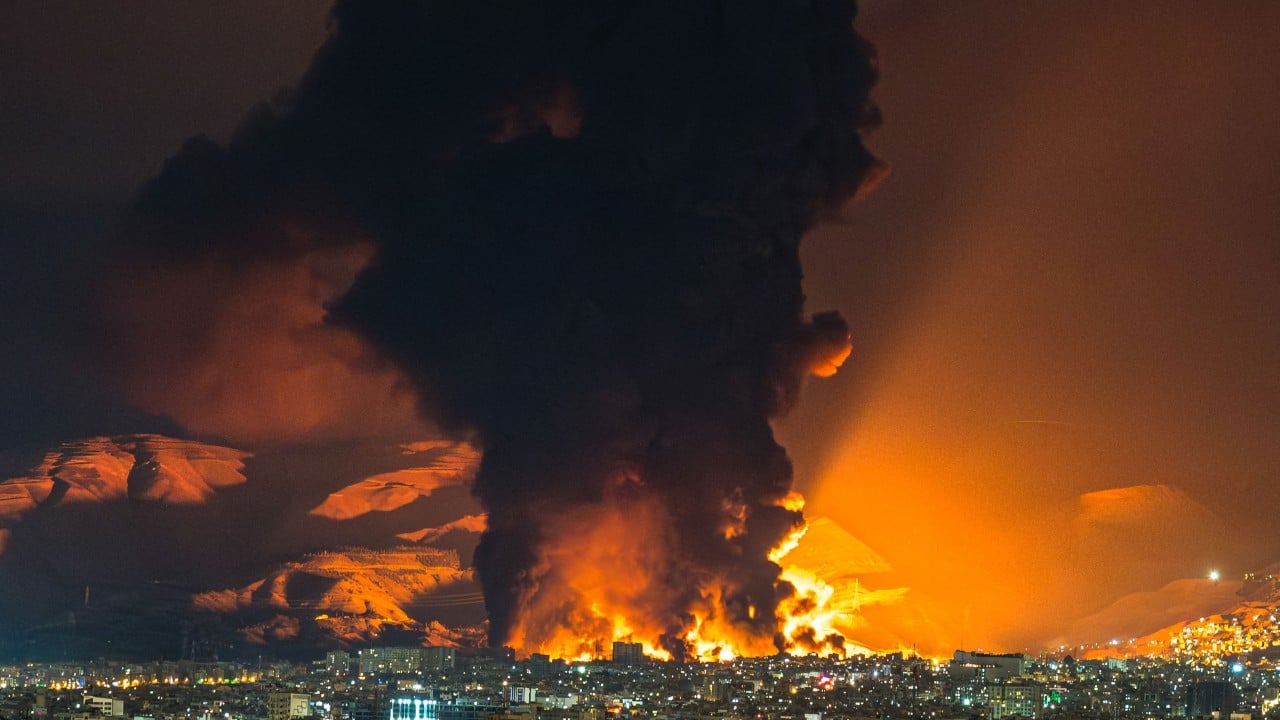
We see the same patterns. Targeted strikes on infrastructure. Drone attacks on processing plants. Using the global economy's reliance on the Gulf as a shield. The Iran-Iraq war taught every middle-market power that you don't have to win a war on the battlefield if you can make it too expensive for the rest of the world to let you lose.
Identifying the scars in modern Iraq
You can still see the physical and economic scars today. The lack of a diversified economy in Iraq is a direct result of the war years. When you spend eight years funneling every cent into the military-industrial complex, your domestic manufacturing dies. Your agricultural sector withers.
The "peace and prosperity" of the 70s wasn't a fluke; it was a glimpse of what Iraq could have been. Instead, the country became a battleground for over forty years. Understanding the 1980 invasion is the only way to understand why Iraq struggles with electricity blackouts and corruption today. The institutions were hollowed out to feed the war machine, and they never truly recovered.
If you're tracking Middle Eastern stability, stop looking only at the headlines from this morning. Look at the maps from 1980. Look at the debt cycles that started there. The regional rivalry between Tehran and Baghdad has cooled, but the structural damage to the global energy psyche remains.
To get a real sense of the scale, look into the "Martyrs' Monument" in Baghdad. It's a massive, split turquoise dome. It was built during the war to commemorate the dead. It stands as a haunting reminder of a period when a nation traded its bright future for a decade of sand and blood. If you want to dive deeper, research the "Financial History of the Iran-Iraq War" to see how debt became a bigger weapon than any missile. Check the archives of the SIPRI (Stockholm International Peace Research Institute) for the specific arms flow data from that era. It tells a story of global complicity that most governments would rather you forget.