Nobody expected a YouTube streamer to hijack the biggest sporting event on earth.
When Darren "IShowSpeed" Watkins Jr. dropped his track Champions back in 2022, traditional football pundits laughed it off. They called it a gimmick. A loud, chaotic internet meme destined to fade into obscurity. Fast forward to 2026, and those same critics look completely out of touch.
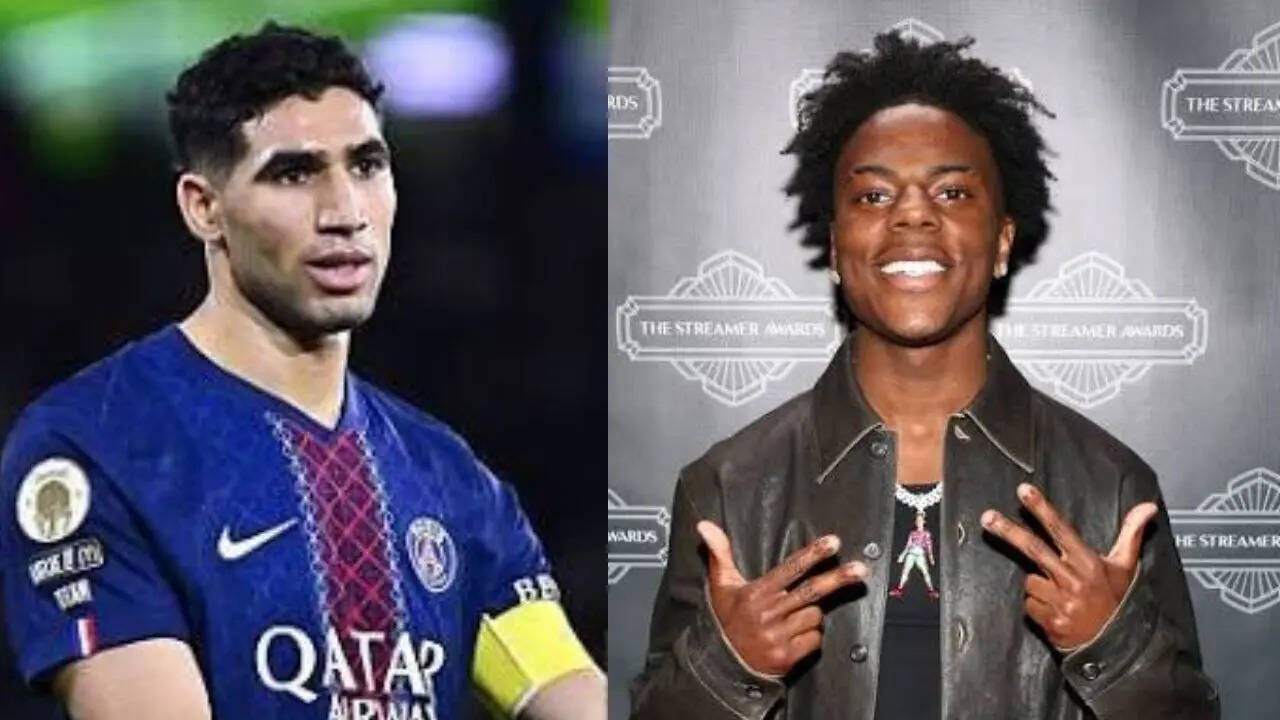
The track just got its biggest validation yet, and it did not come from a marketing agency. It came straight from the pitch. Paris Saint-Germain defender and Moroccan national hero Achraf Hakimi just blew up TikTok by using Champions in a viral video, proving that the song has transcended internet culture to become the defining sound of the FIFA World Cup 2026.
This is not a fluke. It is a masterclass in how modern sports culture operates.
The TikTok Co-Sign That Changed Everything
Achraf Hakimi is not just any footballer. He is a global icon who led Morocco to a historic semi-final run in Qatar, making him one of the most recognizable faces in the sport. When a player of his stature uses your track to celebrate, the narrative changes.
Hakimi’s TikTok post was simple, raw, and incredibly effective. It lacked the polished, sterile feel of an official FIFA sponsor advertisement. That is precisely why it resonated with millions of fans overnight. It showed real joy.
Traditional media outlets often miss why this matters. They focus on official partnerships, billboard charts, and corporate stadium playlists. They ignore where young fans actually spend their time. Speed understands this space better than anyone. By getting the players themselves to organically adopt the song, Champions bypassed the corporate gatekeepers entirely.
Why Official Tournament Songs Usually Fail
Let's be completely honest about FIFA's track record with music. For every Waka Waka or The Cup of Life, we get five or six generic, focus-grouped anthems that nobody remembers two weeks after the final whistle.
Corporate tournament songs fail because they try to please everyone. They end up sounding like background music for a bank commercial. They lack grit. They lack genuine passion.
Champions works because it is chaotic, aggressive, and deeply tied to the actual experience of being a football fan today. It reflects the internet age. Speed's vocals are loud and unfiltered, mimicking the raw emotion of a packed stadium or a tense penalty shootout. It does not feel like a song created in a boardroom by executives trying to maximize market share across five continents. It feels like football.
The Gen Z Takeover of Football Culture
The sport is changing rapidly. The days when fans only consumed football through a 90-minute television broadcast are long gone. Today, the conversation happens on TikTok, YouTube shorts, and Twitch streams.
- Player-driven content is replacing traditional sports journalism. Fans want to see the human side of players like Hakimi.
- Memes drive engagement more effectively than million-dollar ad campaigns.
- Authenticity beats production value every single time.
Speed built his entire brand on being an obsessive, albeit chaotic, football fan. His journeys across the globe to watch Cristiano Ronaldo play became legendary. He lived the highs and lows of the sport in front of a live audience of millions. When he sings about the World Cup, fans know it comes from a place of genuine obsession, not a paid contract.
The Road to the 2026 Spotlight
As the tournament progresses across the United States, Mexico, and Canada, the gap between official culture and internet culture is shrinking. FIFA can blast whatever track they want over the stadium speakers before kickoff. It does not matter. The fans in the stands, the kids playing in the streets, and the athletes in the dressing rooms are listening to Champions.
We are seeing a complete shift in power. Creators and athletes now control the narrative. When a player walks off the team bus with headphones on, there is a very high chance they are listening to a track popularized by a streamer rather than an official tournament sponsor.
If you want to understand where football culture is heading, stop looking at official press releases. Look at what players are posting on their personal feeds. The grassroots movement behind Champions shows that you cannot manufacture hype anymore. You have to earn it in the digital trenches.
To capitalize on this shift, brands and creators need to stop chasing sterile partnerships. Start building real relationships with the creators who actually move the needle. Watch the comment sections. Track what players use in their organic videos. That is where the real trends live, and that is where the true anthem of the tournament was chosen.