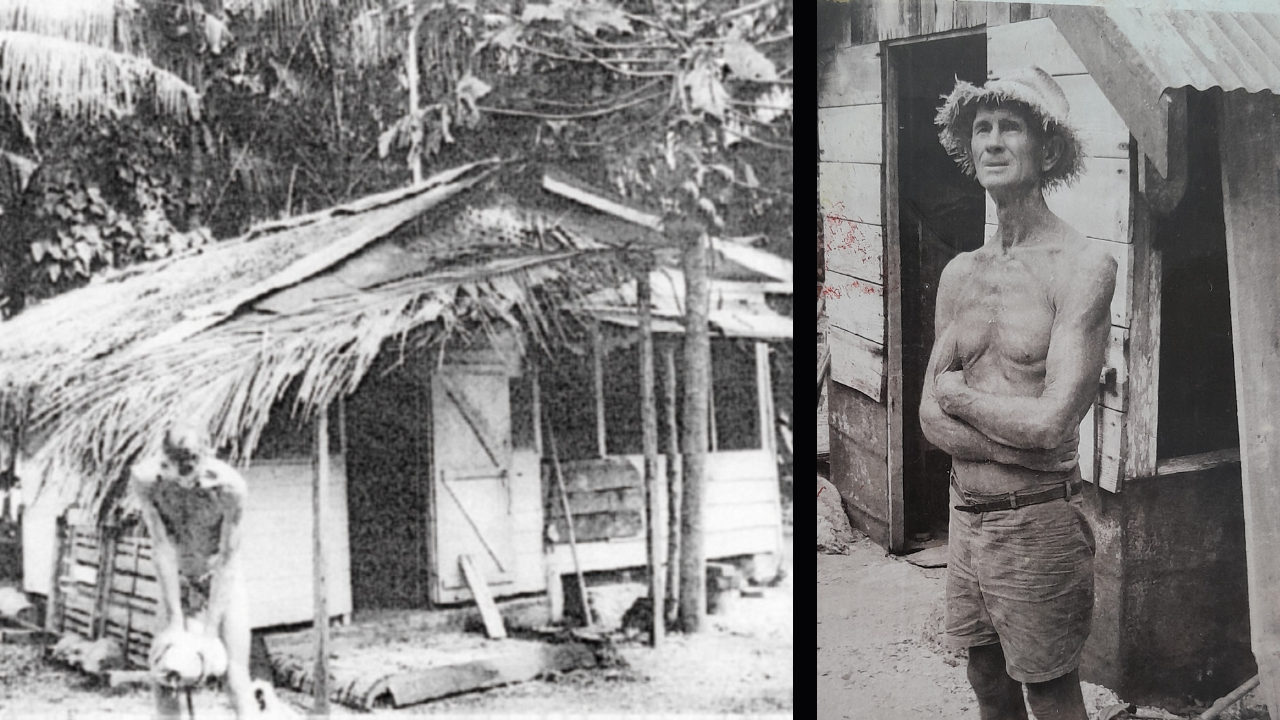
Tom Neale did not get shipwrecked. He paid for his own exile. Across three distinct stints totaling sixteen years, the New Zealand-born sailor chose to inhabit Anchorage Island within the remote Suwarrow atoll of the Cook Islands.
Most people romanticize the concept of a deserted island escape. They envision endless stretches of pristine white sand, gentle ocean breezes, and a peaceful separation from the noise of modern civilization. The reality documented by Neale across his stays from 1952 to 1977 exposed a grueling test of endurance, physical vulnerability, and psychological grit.
The Mechanics of Voluntary Exile
In October 1952, a schooner dropped Neale onto the uninhabited coral ring with two cats, basic hand tools, a radio, and non-perishable stores. He occupied a dilapidated shack left behind by wartime coast-watchers. Survival demanded relentless physical labor from dawn until dusk.
Fresh water collection governed every daily routine. Rainwater harvesting systems constructed from rusted iron sheets and canvas required constant maintenance to catch erratic tropical downpours. Food procurement relied entirely on the surrounding environment. Neale cultivated small garden patches in poor coral soil, hunted coconut crabs, speared reef fish, and harvested breadfruit.
A severe physical crisis struck during his first stay. Lifting a heavy object triggered a spinal injury that left him partially paralyzed on the floor of his hut for days. Without modern medicine, emergency communication, or a companion to fetch water, survival depended purely on a slow, agonizing recovery through sheer willpower.
The Myth Versus the Horizon
Popular culture often paints long-term solitude as a romantic spiritual journey. Neale himself noted that Pacific island life moved at a pace dictated by the sun. Yet, the physical toll of isolation strips away any lingering glamour very quickly.
Teeth rotted without dental care. Infections from minor coral cuts threatened systemic failure. Cyclones battered the low-lying atoll, forcing him to secure his shelter against winds capable of stripping the islets bare.
The psychological weight proved equally formidable. While Neale claimed he rarely suffered from loneliness, the absence of human speech for months at a time alters cognitive patterns. Passing yacht crews eventually became his primary link to the outside world, turning the hermit into an accidental host for trans-Pacific sailors.
From Hermit Kingdom to Ecological Sanctuary
Neale left Suwarrow for the final time in March 1977 due to advanced illness, passing away in Rarotonga later that same year. His departure triggered a rapid administrative shift for the isolated lagoon.
Recognizing the ecological significance of a pristine Pacific atoll untouched by commercial exploitation, the Cook Islands government designated Suwarrow as a national park and bird sanctuary in 1978. Today, seasonal park caretakers inhabit Anchorage Island during the dry months to monitor one of the largest breeding colonies of seabirds in the region, protecting populations of frigatebirds and tropicbirds from illegal poaching and environmental disruption.
Modern regulations restrict overnight stays during the cyclone season, ensuring the atoll remains primarily a refuge for wildlife. The rusting tools, the remnants of the reconstructed cabin, and a concrete bust of the sailor remain as quiet monuments to a man who tested the absolute limits of human self-reliance.
How This Man Survived 15 Years Alone on a Treasure Island
This video provides visual context on Tom Neale's survival methods and daily life during his years of isolation on the Suwarrow atoll.
http://googleusercontent.com/youtube_content/1