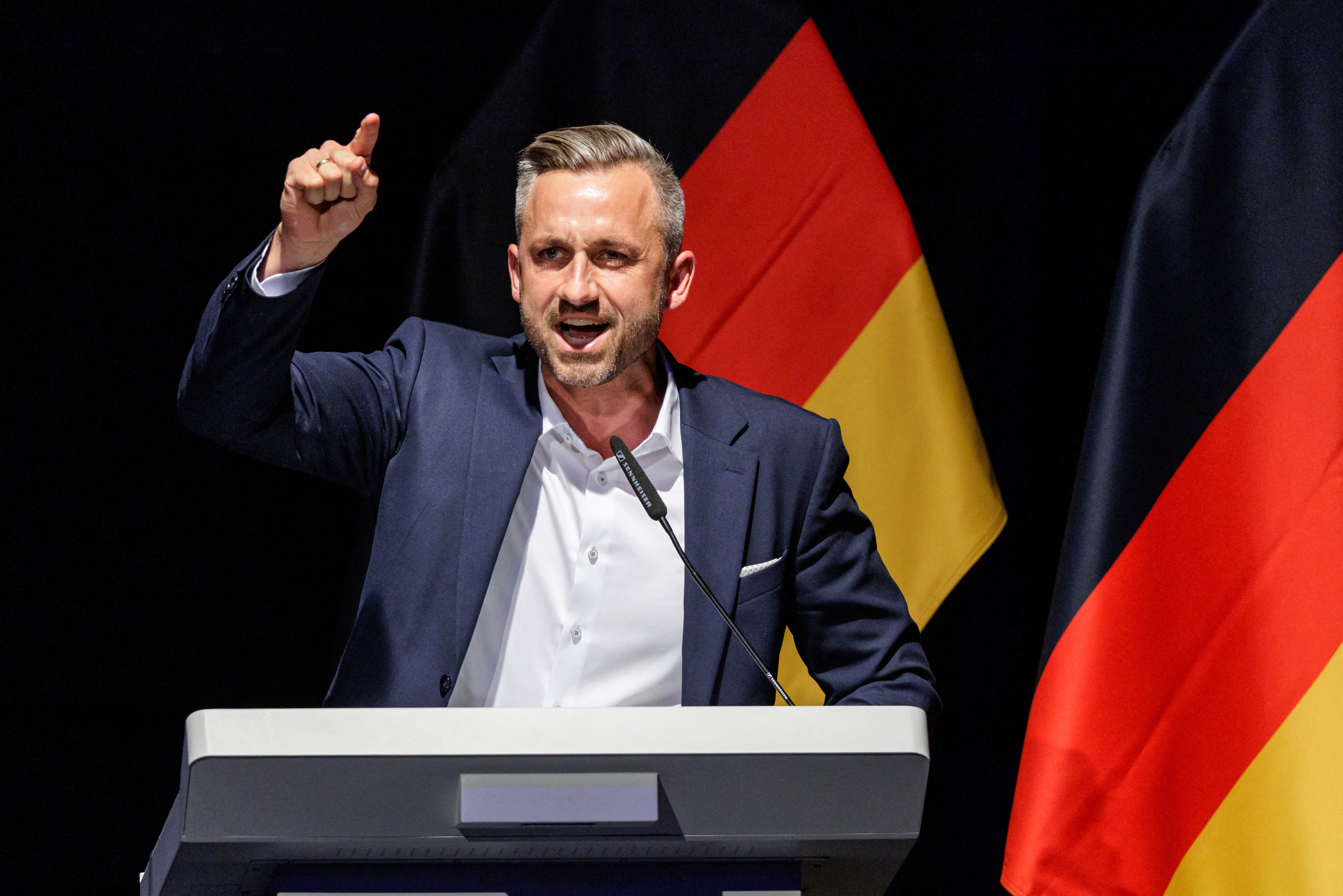
Every desk in London and Buenos Aires is currently peddling the same tired narrative. The consensus says Javier Milei is rattling sabers over the Falkland Islands, stoking nationalist flames to distract a starving electorate, while a transactional Washington under Donald Trump hangs London out to dry.
It is a clean, comforting story for foreign policy columnists who prefer simple cartoons to messy reality. It is also entirely wrong.
Strip away the rhetorical theater and the populist chest-beating, and a very different picture emerges. Milei does not want the Falklands back. Taking possession of those windswept islands tomorrow would be a geopolitical and economic catastrophe for Argentina. What looks like an escalation is actually a calculated exercise in domestic misdirection and international posturing, designed to extract maximum leverage while avoiding the one thing Buenos Aires dreads most: actually inheriting a self-governing British Overseas Territory with an economy twice the size of some Patagonian provinces.
I have spent years watching sovereign debt restructurings and bilateral posturing in South America. Governments do not wave flags when they have real solutions; they wave flags when the math doesn't work.
The Sovereignty Trap No Politician Wants to Spring
Let us look at the structural mechanics of the dispute. When Argentine politicians demand sovereignty over the Malvinas, they treat the islands as an empty parking lot waiting for a flag. They ignore the reality on the ground. Three and a half thousand people live there. They speak English, use the Falkland Islands Pound pegged to sterling, run a sophisticated fishing and agricultural export economy, and harbor a deep, generational distrust of the Argentine state.
If Argentina somehow acquired sovereignty tomorrow, the governance bill would break an already fragile treasury. Buenos Aires would instantly inherit the cost of defense, infrastructure, health, and education for a population that rejects its governance. More critically, the islanders possess a powerful legal right to self-determination under international law. Force them under a flag they despise, and you import a permanent, well-funded insurgency or a civic boycott that would make Northern Ireland look like a weekend garden party.
Milei understands economic efficiency better than any populist predecessor. His entire platform is built on shrinking the state, slashing unnecessary expenditure, and opening markets. Absorbing a hostile populace with a GDP per capita vastly higher than mainland Argentina violates every rule of his fiscal theology. He is an anarcho-capitalist economist, not a 19th-century general. The flag-waving is a cheap substitute for structural reform in areas where he faces congressional gridlock.
The Trump Variable and Anglo-American Pragmatism
The other pillar of the conventional take is that a shifting American political landscape under Donald Trump signals the collapse of the special relationship regarding British sovereignty in the South Atlantic.
This argument misunderstands how great powers handle peripheral real estate. Washington cares about two things in the South Atlantic: security architecture and maritime choke points. The military installations on East Falkland, specifically Mount Pleasant, function as vital intelligence and surveillance nodes. The Pentagon has zero appetite for replacing a stable, NATO-aligned British garrison with a volatile, economically precarious South American partner whose political alignment shifts every four years with a new presidential decree.
When foreign leaders court Washington for backing on colonial-era disputes, they quickly discover that American statecraft is intensely transactional. Trump cares about trade deficits, border control, and defense burden-sharing. A public nod to Argentine nationalism costs nothing on a campaign trail, but altering the strategic defense balance of the Southern Hemisphere to appease a libertarian firebrand in Buenos Aires is a non-starter for the Department of Defense.
The Real Game Being Played
Milei uses the sovereignty issue as a pressure valve. Whenever inflation numbers spike or a privatization bill stalls in the Argentine Senate, out comes the Falklands rhetoric. It is a predictable algorithm.
Look at the trade data. Despite the fiery rhetoric at the United Nations, commercial and diplomatic engagement between London and Buenos Aires across non-sovereignty sectors—such as renewable energy investment, mining exploration, and agricultural tech transfers—continues behind the scenes with quiet pragmatism. Both sides know the score.
The next time an international desk runs a panicked headline about an impending South Atlantic crisis, look past the rhetoric. Buenos Aires needs the dispute to remain unresolved. A solved dispute removes a permanent scapegoat for domestic economic failure.
Stop treating geopolitical theater as an impending invasion. Milei is playing chess with local inflation rates, while the Falklanders are busy counting their fishing license revenue.