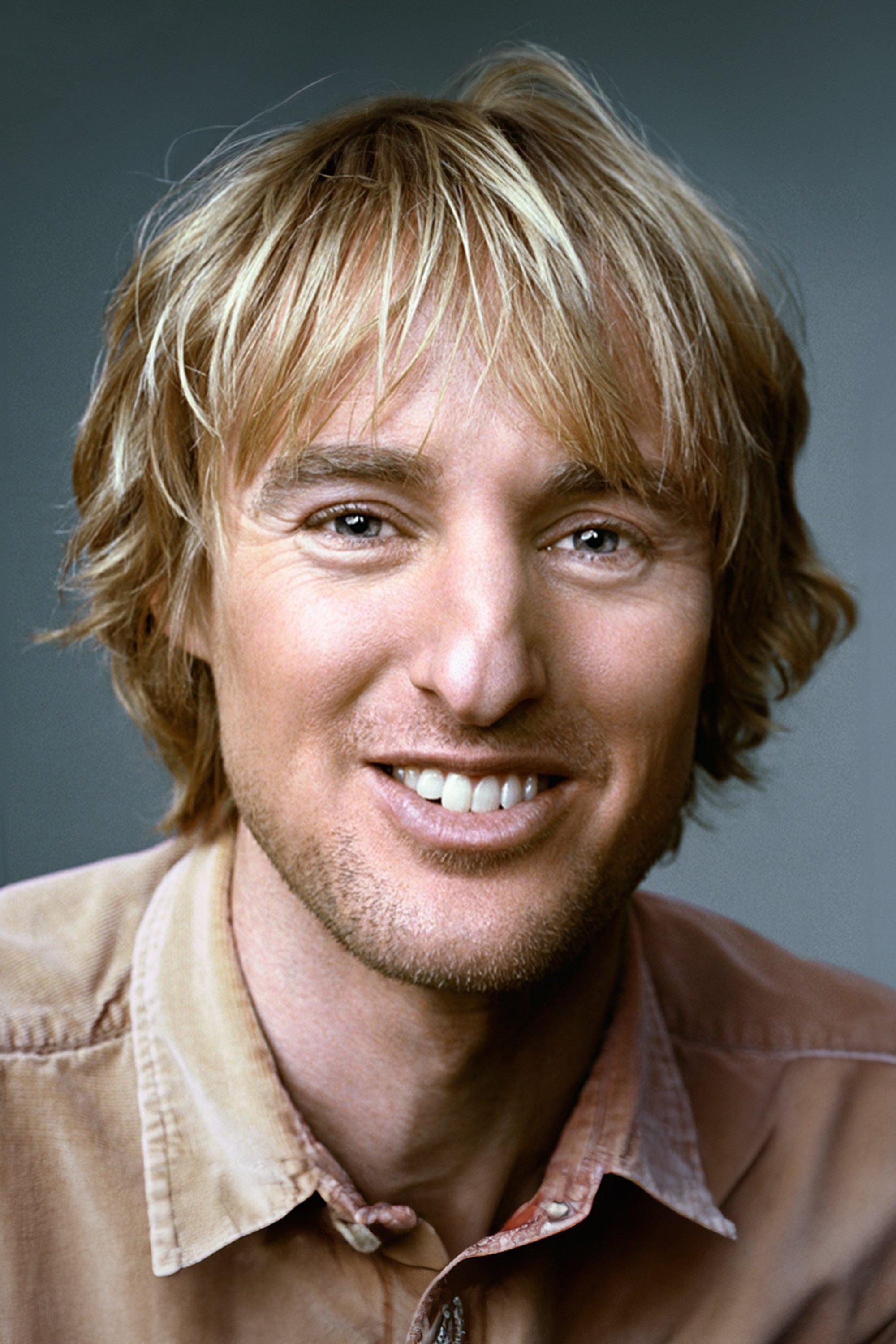
Javier Milei is leveraging Argentina’s deep-seated football obsession to advance his radical libertarian economic agenda during the high-stakes countdown to the FIFA World Cup final. By linking the national team's pursuit of global glory to his own domestic reforms, the Argentine President is attempting a dangerous political gambit. He is using the collective euphoria of a football-mad nation to buffer the social fallout of his "shock therapy" austerity measures. This strategy goes far beyond simple political distraction. It represents a calculated effort to privatize the nation's sporting infrastructure and rewrite the economic DNA of Argentine football.
The Opera House Logic of Milei's Political Theater
To understand Milei’s approach to the World Cup countdown, one must look at how he bridges the gap between high culture and populist sports. The president, an avid opera enthusiast, views political communication through the lens of dramatic performance. In his worldview, a Puccini aria and a World Cup match share the same utility. Both are grand emotional spectacles capable of uniting a deeply fractured populace.
For decades, Argentine politicians have used football as an ideological shield. Milei's predecessors frequently subsidized free television broadcasts of matches to keep public discontent at bay. Milei has inverted this playbook. Rather than offering state-sponsored bread and circuses, he uses the countdown to the final to pitch self-reliance and market efficiency. He frames the national team's success not as a triumph of the Argentine collective, but as the ultimate validation of individual meritocracy and ruthless competition.
The Battle for the Soul of Argentine Clubs
The true frontline of Milei's football strategy is his aggressive push to introduce Sports Joint-Stock Companies (SAD) into the domestic league. Historically, Argentine football clubs have operated as non-profit civil associations. They belong to their members, who vote on club leadership and enjoy community facilities funded by the organization.
Milei wants to dismantle this system entirely. He has repeatedly issued decrees aimed at allowing foreign corporate ownership of Argentine clubs, aiming to attract billions in private equity capital from Gulf states, European sports conglomerates, and American investment firms.
The Argentine Football Association (AFA), led by Claudio Tapia, has fiercely resisted this transformation. The AFA views corporate ownership as an existential threat to the cultural heritage of the sport. This clash is not just about club governance. It is a proxy war for the broader economy. If Milei can break the AFA’s resistance during the peak of World Cup fever, he proves that no institution is sacred, paving the way for the privatization of state-owned airlines, energy companies, and rail networks.
The Financial Reality of the Privatization Push
Proponents of the SAD model argue that Argentine clubs are financially unsustainable in their current form. Exceptional talent is routinely sold to European leagues for fractions of its true value because domestic clubs lack the liquidity to negotiate from a position of strength. The inflation rate in Argentina has forced clubs to constantly recalibrate their operational budgets, often leading to crumbling stadiums and unpaid player salaries.
Conversely, critics point out that corporate ownership offers no guarantee of financial stability. They point to cases across Brazil and Chile where private owners stripped assets, accumulated massive debts, and abandoned historic clubs when profits failed to materialize. By forcing this debate onto the public during a historic World Cup run, Milei is betting that fans will prioritize international prestige over traditional club ownership models.
Chasing Inflation Under the Shadow of the World Cup
While the president discusses structural reforms, the immediate reality for everyday citizens remains bleak. The cost of living crisis shapes how Argentines experience the tournament. A single jersey costs a significant portion of the average monthly minimum wage. Gathering with friends for a match day barbecue, a sacred ritual in Argentine culture, has become an expensive luxury.
Milei’s administration relies on the tournament to provide a temporary psychological reprieve for the population. Economists note that major sporting triumphs can generate a brief bump in consumer confidence and a temporary lift in productivity. However, these effects are fleeting. A victory on the pitch does not lower the price of utilities or stabilize the local currency. The administration is working against a ticking clock, hoping that the goodwill generated by the national team can buy enough time for his macroeconomic adjustments to show tangible results for the middle class.
The Global Diplomacy of the VIP Box
The countdown to the final also serves as an international stage for Milei’s geopolitical realignment. The president has utilized high-profile sporting events to hold informal meetings with global CEOs, foreign dignitaries, and international investors. By projecting an image of an energetic, modern leader celebrating his country's athletic prowess, Milei attempts to counter the narrative that his government is unstable or overly erratic.
This international posturing is vital for securing foreign currency reserves and renegotiating terms with global financial bodies. Milei presents a reformed Argentina that is open for business, using the global spotlight of the World Cup to pitch the nation as a destination for speculative capital.
The High Risk of a Sporting Hangover
The danger in tying political capital to the unpredictable bounce of a football is immense. If the national team wins, the administration can ride the wave of national pride, claiming that Argentina is entering a new era of global dominance across all sectors.
If the team falls short, the collective mood can turn sour overnight. Without the euphoria of a trophy to mask the harsh economic realities, public attention will shift back entirely to inflation, subsidy cuts, and rising unemployment. The very spectacle Milei sought to utilize could become the catalyst for renewed social unrest, proving that even the most calculated political theater cannot survive contact with the volatile reality of both economic shock therapy and international football.