A cargo plane doesn't just fall out of the sky at 22,400 feet per minute because of a simple navigation glitch. Yet, that's exactly the puzzle investigators face after a K2 Airways Boeing 737-400 freighter plunged into the Arabian Sea.
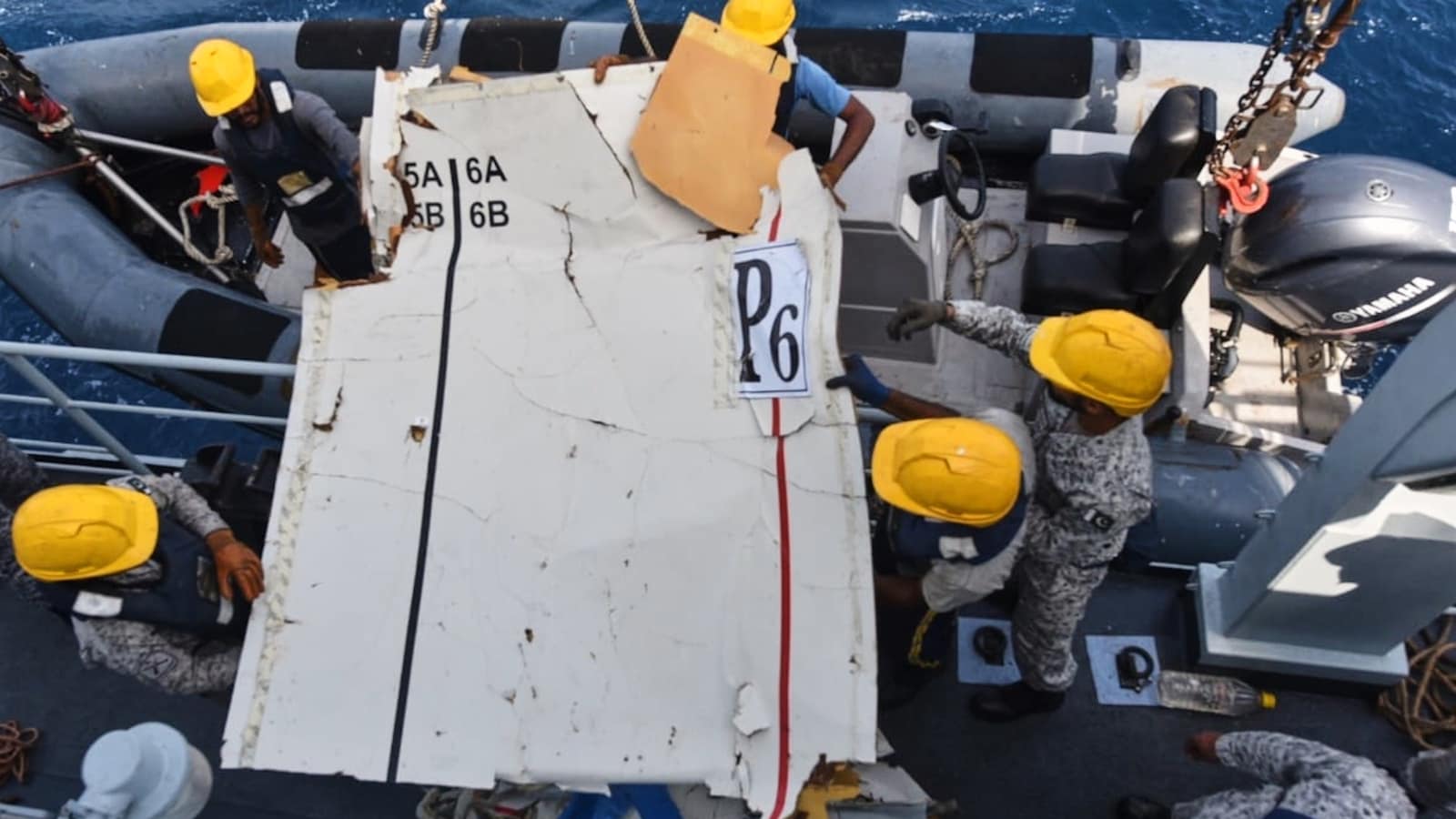
The Pakistan Airports Authority confirmed that search teams located parts of the red-and-white fuselage 53 nautical miles south of Ormara Port. While finding the wreckage after an intense 12-hour search is a breakthrough, the focus remains on a grueling rescue operation. Five Pakistani crew members are still missing in the deep waters, and the window for finding survivors is closing fast. Meanwhile, you can read similar events here: The Geopolitical Architecture Behind Modi Australian Diplomacy.
The Terrifying Final Flight of Flight KTA1732
The aircraft departed Sharjah in the United Arab Emirates on Tuesday evening, bound for Karachi. It was a route the converted freighter had flown regularly since joining the K2 Airways fleet in 2024. But things went wrong fast as the plane neared the Pakistani coast.
At 9:18 PM local time, the crew radioed air traffic control to report a navigational system malfunction. Controllers immediately tried to guide them. Just three minutes later, the flight tracking data showed a chaotic, violent struggle for control. To see the bigger picture, check out the excellent article by NPR.
According to Flightradar24, the aircraft experienced extreme altitude changes. It dropped 5,000 feet in less than sixty seconds, managed a brief, desperate climb back up by 6,000 feet, and then entered a catastrophic dive from its cruising altitude. The final radar ping captured the Boeing 737 just 1,100 feet above the sea, screaming downward at a vertical speed of minus 22,400 feet per minute.
Then, total silence.
Why a Navigation Failure Doesn't Explain the Plunge
Aviation analysts are already pointing out massive holes in the initial technical reports. A broken navigation system makes you lose your way. It doesn't put you into a vertical dive.
Even if the plane suffered total engine failure over the ocean, a Boeing 737 doesn't drop like a stone. It glides. Pilots are trained to maintain airspeed and glide toward the nearest runway or attempt a controlled ditching. The erratic roller-coaster altitude changes suggest something far worse. We are likely looking at a massive structural failure, a catastrophic shifting of the cargo weight, or a complete loss of control surfaces where the pilots were actively fighting the aircraft.
Reports also revealed the plane had recently spent 10 days grounded in Sharjah due to an unresolved technical fault. Investigators will undoubtedly scrutinize what repairs were made—or delayed—before it was cleared to fly.
The Race Against Time and a 3,000-Meter Abyss
The Pakistan Navy deployed its frigate, PNS Zulfiqar, alongside surveillance aircraft and local merchant vessels to scan the debris field. While they recovered floating pieces of the plane emblazoned with the "K2 Air" logo, finding the main body of the aircraft is a completely different challenge.
The water where the plane went down is roughly 3,000 meters deep. Ocean currents, monsoon waves, and high winds have already scattered the surface debris far from the actual impact site. Locating the flight data recorder and cockpit voice recorder at those depths will require specialized deep-sea salvage equipment that Pakistan's maritime agencies simply don't have on standby.
Meanwhile, the families of the missing crew are left waiting for news. K2 Airways identified the missing men on board:
- Capt. Muhammad Rizwan Idris
- First Officer Faisal Jatoi
- Flight Engineer Muhammad Hamid
- Flight Engineer Muhammad Arif Siddiqui
- Aircraft Loader Muhammad Taufiq Khan
The co-pilot’s father-in-law, Ghulam Nabi Bahrani, told reporters that the family had been in touch with Jatoi right before takeoff. Now, they are just waiting and praying for a miracle.
Air Safety Under the Microscope Again
This disaster hits a raw nerve for Pakistan’s aviation sector. The industry has been fighting to rebuild its reputation after the horrific 2020 Pakistan International Airlines crash in Karachi, which killed 97 people and was blamed on systemic pilot and air traffic control errors.
That 2020 disaster triggered international bans. While the UK lifted its restriction on Pakistani carriers recently, the US Federal Aviation Administration still bars them from American airspace. A high-profile crash of a local cargo carrier over the Arabian Sea puts the Pakistan Civil Aviation Authority back under intense global scrutiny.
The immediate next step for maritime authorities is deploying side-scan sonar to map the seafloor near Ormara. Investigators must recover the black boxes to understand why a routine cargo flight turned into a tragic, vertical plunge. Until those recorders are pulled from the ocean floor, the real cause of the K2 Airways disaster remains a terrifying mystery.