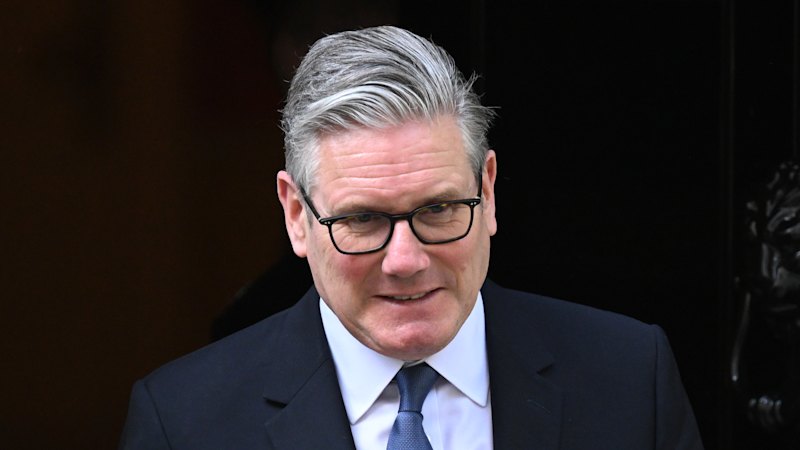
The honeymoon is over. It didn't just end; it crashed into a wall of internal dissent. For months, Westminster insiders whispered about the growing frustration on the Labour backbenches, but those whispers just turned into a public shout. A Labour MP has finally broken ranks to say what many colleagues have been muttering behind closed doors. It's no longer a question of if Starmer will face a leadership challenge, but when the pressure becomes too much to handle.
This isn't just about one disgruntled politician. It’s a symptom of a deeper rot in the relationship between the Prime Minister and his own party. When you win a landslide, you expect a period of calm. Instead, Starmer is dealing with a fractious group of MPs who feel ignored, sidelined, and increasingly worried about their own seats. They see a leader who is technically proficient but emotionally distant from the core values they campaigned on.
The move marks a significant shift in British politics. We’ve moved from the "stability" promised during the election to a state of high-alert anxiety. You can feel it in the corridors of Parliament. The silence that usually greets a new leader has been replaced by the sharpened knives of internal critics.
The breaking point for Labour backbenchers
What actually pushed things over the edge? It wasn’t a single event. It was a slow build-up of perceived slights and policy U-turns that left the left wing of the party feeling abandoned. The first public call for Starmer to go didn't come from the usual suspects on the fringe. It came from a place of genuine concern that the current trajectory is leading the party toward a one-term government.
MPs are looking at the polling. They’re looking at the local response to recent fiscal decisions. They’re seeing a disconnect between the "tough choices" rhetoric coming from Number 10 and the reality of life for their constituents. When an MP says it's a matter of "when, not if," they're signaling to the rest of the party that the water is safe. They’re inviting others to jump in.
Honesty matters here. The Prime Minister’s team thought they could manage the party through strict discipline. They were wrong. You can't run a massive majority like a small law firm. People have different interests. They have different mandates from their voters. Starmer’s "my way or the highway" approach has finally hit a roadblock.
Why the "wait and see" strategy failed
For the first few months, the party line was simple. Give him time. The mess left behind was huge, and fixing it wouldn't be pretty. But "time" is a luxury that backbenchers don't think they have. They see the opposition—however disorganized—starting to find their feet. They see the public’s patience wearing thin.
- The lack of a "vision" beyond fixing the accounts.
- The perceived centralisation of power in a tiny inner circle.
- The failure to communicate a positive story about what Britain looks like in five years.
These aren't small gripes. They're fundamental issues with how the country is being run. I've spoken to people close to the heart of the party who say the mood is "bleak." There’s a feeling that the leadership is more interested in avoiding bad headlines than in doing the big, bold things they were elected to do. That’s a dangerous place for a Prime Minister to be.
The impact of the first public defection
When the first MP goes public, the dam breaks. It changes the conversation from "Is he doing a good job?" to "Who comes next?" That is a lethal shift for any sitting leader. It turns every policy announcement into a test of authority. Every vote in the Commons becomes a potential site of rebellion.
We’re seeing the ghost of past Labour insurgencies. The party has a long history of eating itself when things get tough. Starmer knows this. His team knows this. Their response so far has been to double down on discipline, but that’s like trying to put out a fire with gasoline. It just makes the rebels more determined.
The MP who spoke out isn't just a lone wolf. They represent a faction that feels the government has lost its way. They’re worried about the cost of living. They’re worried about the state of the NHS. Mostly, they’re worried that Starmer doesn't have the answers they promised the voters on the doorstep.
Discipline versus dissent in the modern party
The Labour leadership has tried to use the whip to keep everyone in line. It worked for a while. But the whip only works if MPs are afraid of losing their positions or if they believe in the project. Right now, a lot of them don't believe in the project, and they aren't scared enough of the leadership to stay quiet.
Politics is about momentum. Right now, Starmer has lost his. The narrative has shifted. You can see it in the way the media covers him. You can see it in the way his ministers struggle to defend the latest round of cuts. When your own people start calling for your head, the clock starts ticking.
It’s a brutal business. One day you’re the savior of the party, the next you’re the obstacle to its survival. Starmer is finding out just how quickly the tide can turn. He’s spent his career being the man with the plan, but he didn't plan for this level of internal hostility this early.
What happens when the letters start arriving
In the British system, leadership challenges don't always happen overnight. They’re a slow-motion car crash. It starts with one interview. Then a few more MPs refuse to defend a policy on TV. Then the anonymous briefings start. Eventually, it reaches a tipping point where the leader’s position becomes untenable.
We aren't at the tipping point yet. But we’ve moved into the "danger zone." The Prime Minister needs a win. He needs something that reminds his party why they chose him in the first place. Without that, the "when, not if" crowd will only get louder.
He needs to stop acting like a prosecutor and start acting like a leader. That means listening. It means compromising. It means realizing that a majority of 170 doesn't mean you can ignore the people who helped you get there. If he doesn't change course, that first public call for him to go won't be the last. It will be the beginning of the end.
The shadow of the next election
Every MP is thinking about 2029 or whenever the next vote happens. They aren't thinking about the Prime Minister’s legacy; they’re thinking about their own jobs. If they think Starmer is a drag on the ticket, they will cut him loose. It’s that simple.
The cold reality is that loyalty in politics is a flexible concept. It lasts exactly as long as it’s useful. For a growing number of Labour MPs, loyalty to Keir Starmer is starting to feel like a liability. They see the public’s frustration and they don't want to be buried under it.
Keep an eye on the upcoming by-elections and local results. If those go south, the "when, not if" rhetoric will move from the backbenches to the frontbench. That’s when things get really interesting.
To understand the current state of play, look at the fringe meetings and the local party letters. That’s where the real pressure is building. The public call from a Labour MP is just the tip of the iceberg. Underneath, there is a massive amount of discontent that is only just starting to surface.
If you’re following this, stop looking at the official press releases. Start looking at which MPs are "unavailable for comment" when the government is under fire. Look at who is distancing themselves from the latest Treasury announcements. That’s where the real story is. The cracks are there. They’re growing. And they aren't going away anytime soon. Watch the next PMQs very closely for the body language behind him, not just the questions in front of him.