The missile strikes that recently claimed lives in Kharkiv are not isolated incidents of urban terror. They represent a calculated exploitation of a world currently looking elsewhere. While the international community remains fixated on the volatility in the Middle East, the frontline in Ukraine has entered a phase of brutal, industrial persistence that thrives on Western distraction. The math of this war is shifting. Moscow is no longer just fighting a territorial battle; it is playing a clock-management game designed to wear down the logistical patience of its adversaries while the cameras are pointed at Gaza and Beirut.
Kharkiv, Ukraine’s second-largest city, sits just 25 miles from the Russian border. This proximity makes it a convenient laboratory for terror. The recent deaths of two civilians in a residential strike underscore a chilling tactical reality. Russia is using inexpensive, glide bombs and S-300 missiles—originally designed for air defense—to saturate Ukrainian response systems. This isn't about capturing the city today. It is about making the city unlivable, forcing a mass exodus, and keeping Ukrainian reserves pinned down far from the southern counter-offensive zones.
The Strategic Shadow of the Middle East
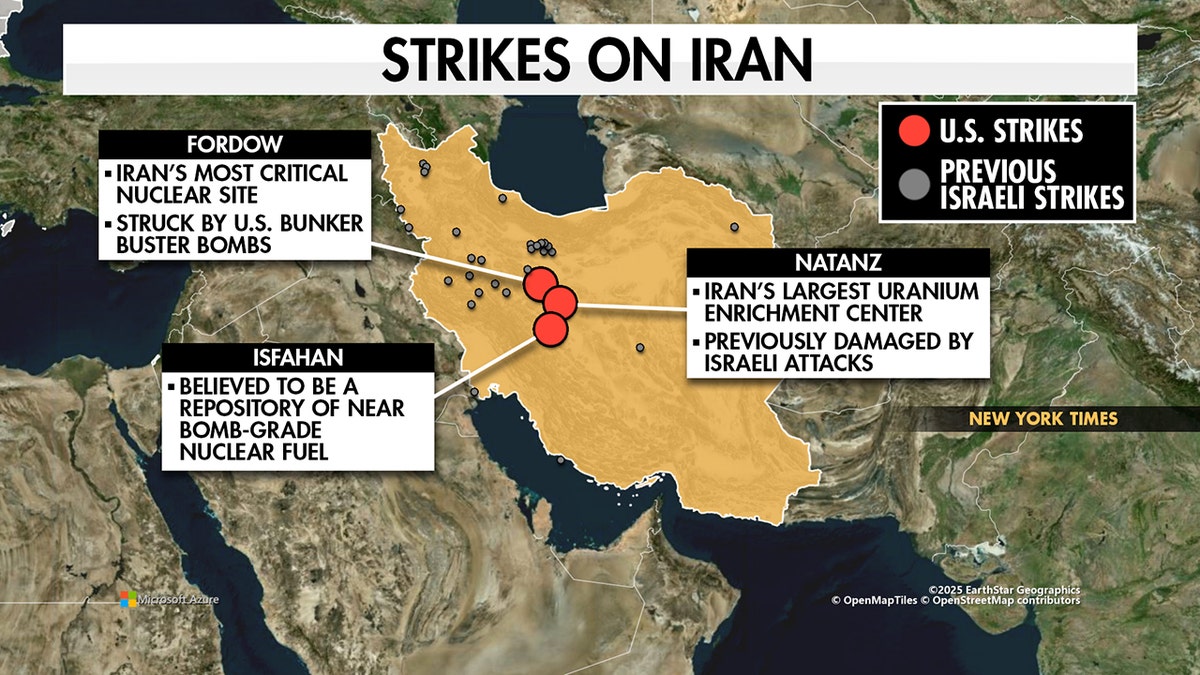
The timing of these intensified strikes is far from coincidental. For the better part of two years, Ukraine enjoyed a near-monopoly on Western diplomatic and military focus. That monopoly is gone. The erupting crisis in the Middle East has created a "split-screen" reality for policymakers in Washington, London, and Brussels. This division of attention is a tangible military asset for the Kremlin.
When the world’s primary superpower is forced to juggle a regional explosion in the Levant alongside a war of attrition in Eastern Europe, resources become thin. It is not just about the money. It is about the bandwidth of intelligence agencies, the production capacity of 155mm artillery shells, and the political capital required to sustain long-term aid packages. Moscow understands that a multi-front geopolitical crisis favors the actor with the least amount of democratic accountability. Putin can wait. Democratic legislatures, facing internal pressure and competing international crises, often cannot.
Logistics and the War of Attrition
To understand why Kharkiv remains a bullseye, one must look at the rail lines and supply chains. Kharkiv is a gateway. If the Russian military can consistently disrupt the infrastructure around the city, they cripple the northern logistical hub for the entire Donbas front. The strikes on civilian centers serve a dual purpose: they sap morale and force Ukraine to expend its limited supply of sophisticated air defense interceptors—like the Patriot and IRIS-T systems—on cheap, repurposed Russian munitions.
This is the grim arithmetic of the current stalemate. If Ukraine uses a million-dollar missile to down a drone or a retrofitted rocket worth a fraction of that cost, the economic exhaustion favors the aggressor. The recent casualties are the human face of a strategy intended to drain the West’s "arsenal of democracy." We are seeing a shift from a war of maneuver to a war of industrial capacity. Russia has moved its economy to a total war footing, with factories running three shifts to churn out hardware. In contrast, Western defense contractors are still struggling with peacetime procurement cycles and supply chain bottlenecks.
The Intelligence Gap
Distraction also breeds a dangerous intelligence gap. With satellite assets and human intelligence redirected toward the Middle East to monitor Iranian proxies and maritime security in the Red Sea, the granular movements on the Ukrainian front may receive less scrutiny. This "optical drift" allows for the gradual buildup of forces and the quiet fortification of defensive lines that make any Ukrainian liberation effort twice as costly.
The "grinding" nature of the war that many commentators describe is actually a high-stakes chess match of endurance. Russia has abandoned the hope of a quick decapitation of the Ukrainian state. Instead, they are betting on the "fatigue factor." They believe the West will eventually seek a frozen conflict—a "Korea scenario"—where borders are drawn along current lines of contact. For the residents of Kharkiv, that means living in a permanent grey zone of incoming fire and intermittent electricity.
The Human Toll of Policy Inertia
Beyond the maps and the geopolitical posturing, there is the reality of the rubble. The two victims in the latest Kharkiv strike were not military targets. They were collateral in a campaign of atmospheric pressure. When Western aid stalls in committee or when diplomatic focus shifts to the latest headline in the Mediterranean, the physical consequence is a gap in the air defense shield over cities like Kharkiv.
The Ukrainian military has shown remarkable adaptability, but they cannot manufacture 155mm shells or Patriot batteries out of sheer will. The "Middle East focus" mentioned in current reports is more than a change in news cycles; it is a shift in the global supply chain of security. Every shipment of interceptors sent to one region is one that doesn't reach the other. This zero-sum game is the primary obstacle to Ukrainian stability in the coming year.
The Myth of the Stalemate
Many analysts have begun to use the word "stalemate" to describe the current situation. This is a misnomer. A stalemate implies a static balance of power. In reality, the situation is dynamic and deteriorating for whichever side loses its external support first. The Russian strategy is to ensure that side is Ukraine. By maintaining a constant, low-level burn of civilian casualties and infrastructure damage, they keep the pressure high while waiting for the political will of the West to snap.
The focus on the Middle East has provided the Kremlin with the perfect cover to double down on this strategy. While the world debates the nuances of urban warfare in Gaza, Russia is quietly entrenching its positions and refining its strike packages for the winter. The strikes in Kharkiv are the pulse-check of this effort. They are testing how much the world still cares, and how much Ukraine can still endure without the full, undivided attention of its allies.
The burden of proof now lies with Western leaders. They must demonstrate that they can manage two systemic crises simultaneously without sacrificing the sovereignty of a European nation. If the distraction continues, Kharkiv will not be the last city to pay the price for a divided global gaze. The war is not just "grinding on"; it is evolving into a test of institutional memory. Moscow is counting on the world to forget.
Demand that your representatives clarify the long-term production schedules for air defense munitions specifically earmarked for the Kharkiv corridor.