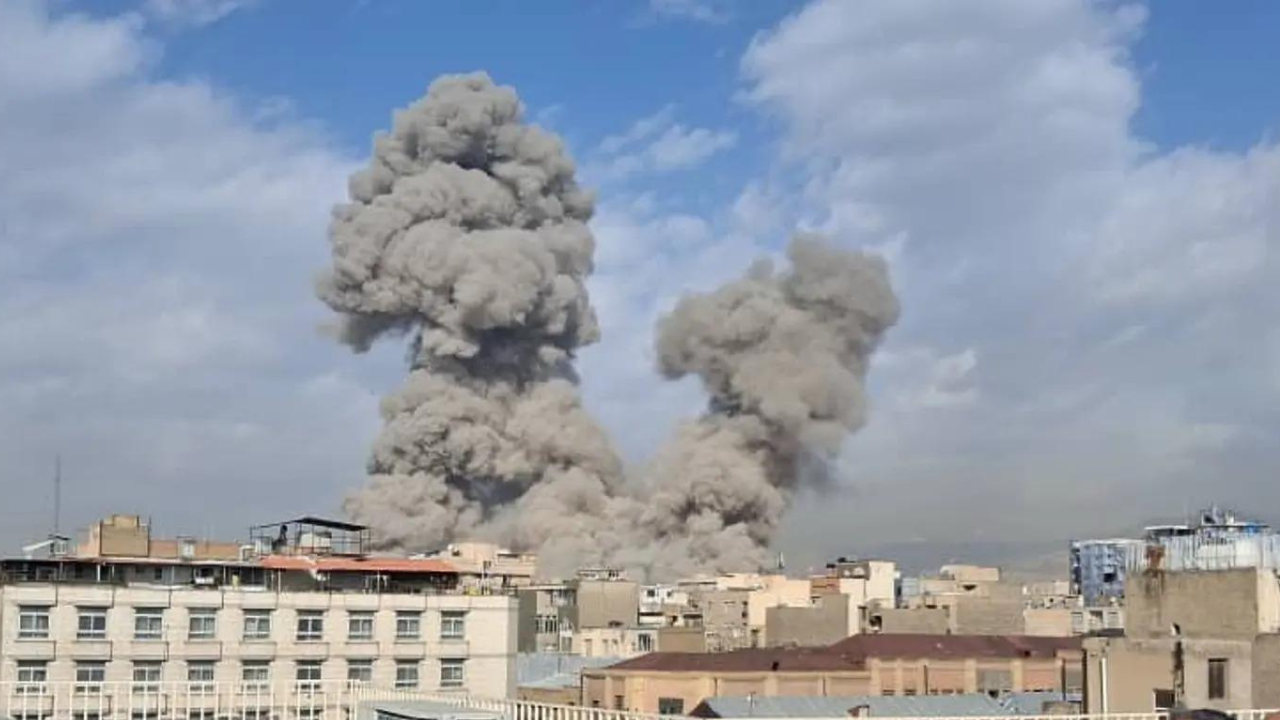
The transition from diplomatic stalemate to major combat operations in February 2026 marks the end of the "strategic patience" era in West Asia. By initiating Operation Roaring Lion, a joint US-Israeli kinetic campaign, the Trump administration has shifted from economic strangulation to a policy of functional neutralization. The objective is not merely the destruction of hardware but the systemic decoupling of the Iranian state’s command-and-control apparatus from its regional proxies and nuclear infrastructure.
The Three Pillars of Kinetic Neutralization
The current military engagement is structured around three distinct operational vectors designed to produce a cascading collapse of Iranian strategic depth.
- Leadership Decapitation and Institutional Fissures: The confirmed strikes in Tehran targeting the Supreme Council meeting—resulting in the deaths of Supreme Leader Ali Khamenei and top military officials like Gen. Abdol Rahim Mousavi—represent a direct assault on the "Velayat-e Faqih" governance model. This creates an immediate power vacuum that the interim leadership council, comprising President Masoud Pezeshkian and Judiciary Chief Gholamhossein Mohseni Ejei, must fill under extreme duress.
- Infrastructure Obliteration: Unlike previous "limited" strikes, the 1,200 munitions dropped by the Israeli Air Force (IAF) and the subsequent US "major combat operations" targeted the physical foundations of power. This includes ballistic missile silos, the IRGC navy, and nuclear enrichment facilities in southern Iran (Minab county) and central regions.
- Communication and Logistical Severance: Reported disruptions in mobile and internet connectivity in Tehran, combined with the closure of Iraqi and Jordanian airspace, serve to isolate the Iranian tactical units from their central command.
The Cost Function of Regional Retaliation
Iran’s response has moved past symbolic "face-saving" measures into the realm of high-stakes attrition. The IRGC’s strike on the Abdullah Mubarak naval base in Kuwait and the targeting of the MST-class combat support ship in the Indian Ocean demonstrate a shift toward a "scorched earth" maritime strategy.
The economic cost of this conflict is transmitted primarily through the Strait of Hormuz, where 30.7% of the world's seaborne crude and 19.4% of jet fuel transit. The logic of Iranian retaliation is built on the Escalation Dominance Paradox: by attacking US assets in Kuwait and threatening UAE/Saudi infrastructure, Tehran aims to make the cost of US victory higher than the value of the objective. However, the use of 1,200 munitions in a single day suggests the US and Israel have already accepted this cost, rendering the Iranian deterrent ineffective.
Strategic Constraints and Diplomatic Friction
The Ministry of External Affairs (MEA) advisory issued on March 1, 2026, highlights the collateral diplomatic and logistical fallout for neutral powers. India’s position is defined by three immediate pressures:
- Citizen Security: With approximately 9,000 Indians in Iran and 18,000 in Israel, the MEA’s "utmost caution" advisory is a precursor to a potential mass evacuation.
- Infrastructure Exposure: The status of the Chabahar port project, governed by a US sanctions waiver valid until April 2026, is now critically endangered. If the US persists with a 25% tariff on countries doing business with Iran, India’s $1.6 billion trade corridor faces total obsolescence.
- Regulatory Bottlenecks: The advisory directing foreign nationals in India to contact the Foreigners Regional Registration Office (FRRO) reflects the total breakdown of regional aviation. With over 700 flights cancelled and Dubai International Airport (DXB) damaged by drone strikes, India is becoming a terminal point for stranded transit passengers.
The Operational Reality of "Force Never Seen Before"
President Trump’s rhetoric of "force never seen before" translates technically to a high-intensity, multi-domain air campaign. The US Air Force has deployed two-thirds of its F-15E Strike Eagle fleet, supported by F-35s despite existing spare part shortages. This high sortie rate is designed to suppress Iranian ballistic missile TELs (Transporter Erector Launchers) before they can fire.
The primary risk to this strategy is Attrition Sensitivity. While the initial strikes achieved tactical surprise, a prolonged conflict will tax US munition stockpiles and carrier group maintenance schedules—specifically the USS Gerald R. Ford, which has been on extended deployment.
The Strategic Path Forward
The conflict has reached a point where "limited strikes" are no longer an option. For the US and its allies, the only logical endgame is the total degradation of the IRGC’s ability to project power. For Iran, the strategy is now survival through decentralized insurgency and maritime disruption.
National governments and private entities with exposure in the region must immediately execute "Plan B" protocols. This involves:
- Immediate Repatriation: Utilizing the remaining land corridors through Turkey or sea routes through the Gulf of Oman before total maritime closure.
- Supply Chain Diversification: Shifting energy procurement away from Hormuz-dependent sources to Atlantic or West African crude to hedge against a 40%+ disruption in global oil flows.
- Visa and Legal Regularization: Following the MEA’s guidance to use the FRRO for visa extensions, as the resumption of regular flight schedules to the Middle East is unlikely within a 30-day window.
The current trajectory suggests that unless an interim Iranian leadership offers a total nuclear and regional retreat within the next 72 hours, the conflict will evolve from a targeted campaign into a systemic regional war that will redefine global trade maps for the next decade.
Would you like me to monitor the specific status of the Chabahar port sanctions waiver or track the real-time flight resumption updates for Indian carriers in the Middle East?