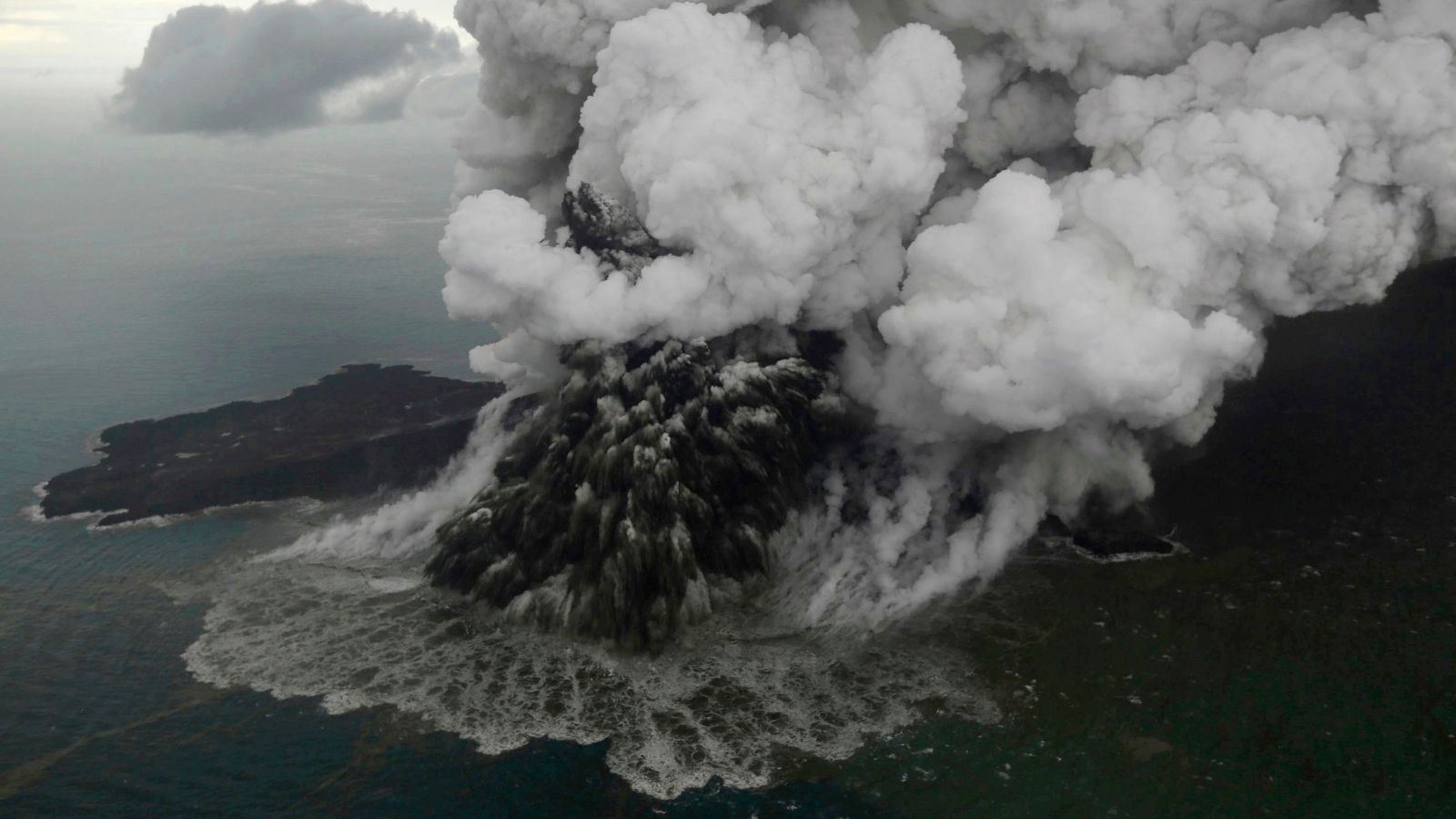
Mount Anak Krakatau just woke up again. If you've been tracking flight boards or trying to fly out of Indonesia, you already know the chaos it caused.
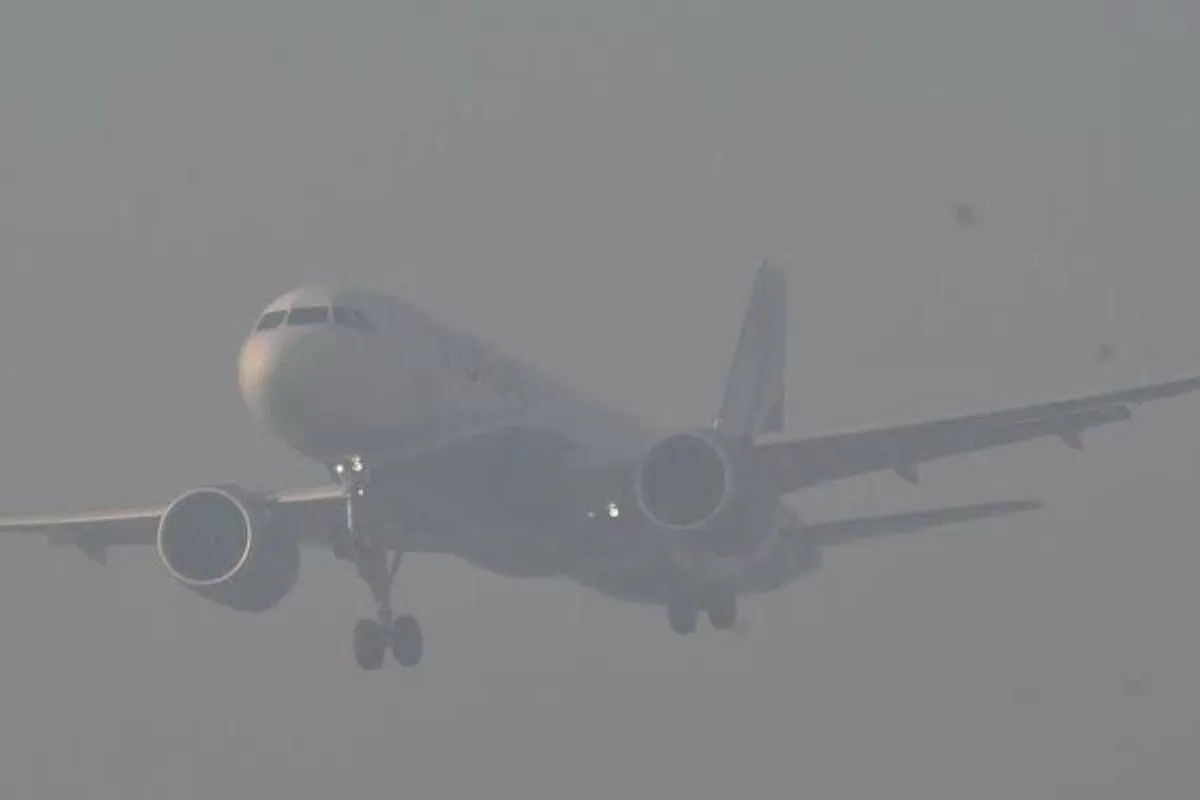
An unexpected eruption sent massive ash plumes soaring up to 50,000 feet into the atmosphere, throwing air traffic into an immediate tailspin. Jakarta’s Soekarno-Hatta International Airport faced emergency closures, leaving hundreds of flights grounded and thousands of travelers stranded.
Let's look at what actually happened on the ground and why this volcano demands constant respect.
The Airspace Shutdown That Paralyzed Jakarta
When a volcano like Anak Krakatau blows its top, aviation authorities don't wait around. Volcanic ash is basically pulverized glass. Flying a jet engine through it is a great way to flame out mid-air and drop out of the sky.
Early Sunday morning, initial reports from Indonesia's transportation ministry indicated that over 200 flights faced immediate disruption as ash drifted heavily across western Java. As radar data and satellite imagery from agencies like the BMKG mapped out dual ash plumes—one pushing northeast over Jakarta and Banten, and another stretching toward Sumatra at 50,000 feet—airport operators had little choice.
The closure windows extended multiple times throughout the day. What started as a brief morning suspension turned into a massive logistics headache. Major carriers like Singapore Airlines and AirAsia had to pull the plug on scheduled departures, forcing passengers to scramble for refunds or line up at makeshift airport assistance desks.
Living Under the Shadow of the Ring of Fire
Indonesia sits squarely on the Pacific Ring of Fire. If you live there, seismic activity is just part of the background noise. But Anak Krakatau carries a heavy psychological weight.
Born from the remnants of the legendary 1883 Krakatoa cataclysm—an event that altered global weather patterns and killed tens of thousands—this modern "child" volcano has a violent streak of its own. Back in 2018, a sudden partial collapse of its cone triggered an unexpected tsunami that struck coastal communities without warning.
That history is why local disaster mitigation agencies, known as BNPB, move fast whenever the alert level ticks up. This time around, authorities kept the alert at level three while enforcing a strict three-kilometer exclusion zone around the active crater.
Schools near the affected coastal zones suspended outdoor activities, and local fishermen tied up their boats after reporting stinging eyes from falling grit. Officials handed out straightforward safety advice: wear masks, protect your eyes, cover water storage tanks, and stay indoors if the dust starts settling thick on your street.
What Travelers and Locals Need to Do Right Now
If you're currently trying to navigate travel plans through Jakarta or regional Indonesian hubs, throw out your itinerary assumptions.
Airlines are dealing with massive aircraft rotation bottlenecks. Even after airspace officially reopens, the knock-on delays can easily throw off schedules for 48 hours or more.
- Check directly with your airline's official app or desk before heading out to Soekarno-Hatta. Do not rely solely on automated third-party booking notifications.
- Keep emergency masks and eye drops handy if you are anywhere in the Banten, Lampung, or Greater Jakarta zones experiencing residual ashfall.
- Monitor official updates from Indonesia's Center for Volcanology and Geological Hazard Mitigation rather than unverified social media panic posts.
Volcanoes don't operate on a timetable. Anak Krakatau will keep venting whenever it feels like it, and the regional aviation network will keep reacting to keep people safe. Stay alert, pack extra patience if you're on the move, and keep your distance from the Sunda Strait until the atmosphere clears completely.