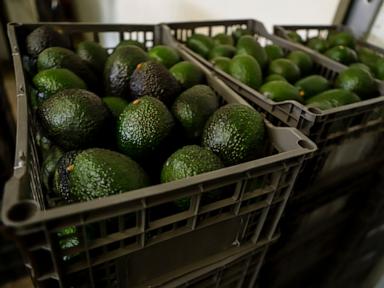
Your morning toast routine is facing an unexpected roadblock. The United States government just pulled its inspection personnel out of Michoacán, halting the certification of Mexican avocados. If you run a restaurant, manage grocery supply chains, or just love guacamole, you know what this means. Prices spike, shipments stall, and everyone panics over green gold.
This isn't a brand-new crisis. It is a recurring headache rooted in deep regional violence. Let's look at why this keeps happening and what it actually means for your wallet.
The Reality Behind the Michoacán Security Freeze
The U.S. Embassy didn't mince words when issuing its security alert. Operations stopped because of a direct threat to U.S. interests. USDA personnel work on the ground in Mexico to verify that packing houses meet export regulations and stay pest-free. When cartels make local conditions unsafe, Washington pulls the plug immediately.
Michoacán is the undisputed heartland of avocado production. It supplies nearly ninety percent of what the U.S. imports. But that immense wealth attracts violent criminal organizations. Extortion runs rampant through packing plants and orchards. Local cartels want a cut of the profits, turning routine agricultural work into a high-risk assignment.
Governor Alfredo Ramírez Bedolla noted that recent law enforcement arrests triggered retaliatory security concerns. State and federal forces deployed hundreds of security personnel to stabilize the region. Even so, American officials refuse to compromise worker safety. Inspections stay frozen until guarantees are met.
How Supply Chains Absorb the Shock
Avocado shipments don't instantly vanish from grocery store shelves the moment a suspension hits. Fruit already cleared and loaded onto trucks keeps moving north. Warehouses hold buffer stock.
However, a prolonged freeze creates an immediate bottleneck. The Association of Avocado Producers and Packers of Mexico (APEAM) outlined strict limits during the stoppage:
- Fruit received on previous days under active supervision could be processed temporarily.
- Newly arrived fruit could enter warehouses but could not get final clearance.
- Zero export shipments got authorization on the day the alert went live.
Importers feel the squeeze first. Crossing points like the Pharr International Bridge see immediate slowdowns. Wholesalers start hoarding inventory. Restaurants reevaluate menu pricing within days.
The Broader Economic Impact on Farmers and Consumers
Mexico is on track to ship roughly 1.2 million metric tons of avocados to the United States. Total Mexican exports hit record highs because American demand refuses to slow down. Cultivation generates around 200,000 jobs in Michoacán alone.
When the border closes to new inspections, local farmers bear the brunt of the chaos. Avocados have a short window of optimal ripeness. If fruit sits too long in packing sheds waiting for a USDA sign-off, it spoils. Farmers lose revenue. Packers lose margins.
Consumers downstream pay the price. Supply dips while demand stays flat, sending spot prices upward. If you manage food costs, you already track these disruptions closely. Similar panics happened in past years, and the market always rebounds once inspectors return. Yet, the underlying vulnerability remains entirely unsolved.
What Happens Next for Buyers and Importers
If you rely on a steady flow of produce, waiting around for diplomatic resolutions is a bad strategy. Diversifying sourcing remains the only real defense against regional cartels and sudden border halts.
Jalisco and other developing avocado-producing regions in Mexico are scaling up exports to fill the gap. Other international suppliers try to step in, though none match Michoacán's sheer volume.
Keep a close eye on daily trade updates from APEAM and USDA bulletins. Stock up cautiously if you run a commercial kitchen, but avoid panic buying that artificially worsens local shortages. Security conditions change fast, but systemic risks in Michoacán are here to stay. Plan your inventory with volatility in mind.