There is a particular kind of quiet that settles over a city room when a warning is delivered. It is not the silence of peace, but the heavy, suspended breath before a glass shatters on a kitchen floor.
Andy Burnham has spent years cultivating the aura of a man who knows how to hold that glass steady. As the Mayor of Greater Manchester, his political identity has been forged in the crucible of defiance—standing up against national mandates, challenging Westminster orthodoxy, and fashioning himself as the undisputed King of the North. But power in local government is a fragile alchemy. It is built on concrete, buses, housing targets, and the relentless friction between what a regional leader wants for his people and what central authority is willing to grant.
When the warning came down the wire—sharp, unyielding, and public—it cut straight through the civic pageantry.
Consider what happens next in an ordinary council office in Salford or Rochdale. A planning officer looks up from a spreadsheet detailing local housing deficits. The phone rings. The national government is no longer negotiating; they are setting terms. The friction between local autonomy and central oversight has finally generated enough heat to scorch the wallpaper.
To understand why this matters, you have to step away from the polished mahogany of mayoral suites and look at the actual pavement.
Cities are living organisms, breathing in commuters at dawn and exhaling them into pubs and train stations by dusk. When a city warns its leadership, or when the state warns a mayor, the abstraction of policy suddenly becomes deeply personal. It translates to whether a family on a council estate gets a roof that doesn't leak. It determines whether a bus route remains viable or gets sliced away on a ledger because the funding math failed.
Burnham’s rise was never accidental. He understood early on that people do not fall in love with GDP growth rates; they fall in love with leaders who look like they belong in the same pub. By championing public ownership of transport and pushing back against austerity measures that disproportionately bled northern towns, he built a coalition of trust. Trust is a currency that takes decades to accumulate and roughly five minutes to spend.
Yet, governance is a relentless math problem.
You cannot defy central authority forever without bringing something back to show for it. If the national government issues a reprimand—whether over delayed spatial frameworks, housing delivery targets, or regional governance disputes—the charm offensive hits a wall. The stark reality of administrative accountability takes over.
Imagine a hypothetical commuter named Sarah standing on a crowded platform at Manchester Piccadilly. She doesn't care about the constitutional wrestling match between Whitehall and the town hall. She cares that her train is late, her rent went up, and the local authority seems too busy fighting political battles in the media to fix the pothole outside her driveway.
That is the invisible stake in every headline about administrative showdowns. The high-stakes chess match between mayors and ministers often feels remote, yet it dictates the weather of everyday civic life.
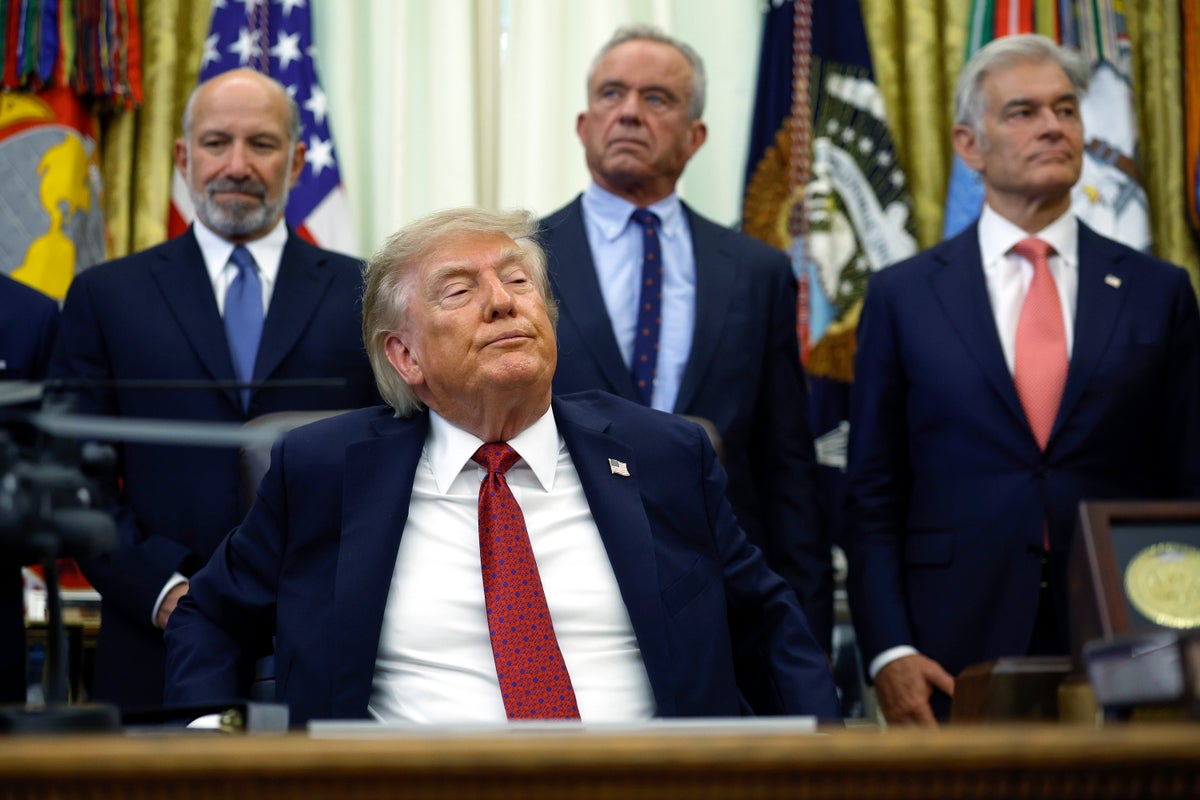
When national newspapers splash warnings across their front pages—pairing phrases of reprimand with images of defiant regional leaders—they are signaling a shift in the political atmosphere. The honeymoon phase of muscular regional devolution always has an expiration date. Eventually, the central government demands receipts. They ask for the houses built, the emissions lowered, the budgets balanced.
And that is where the narrative pivots from theater to reality.
Defiance is a powerful political lubricant, but it doesn't lay asphalt. It doesn't secure planning permission for brownfield regeneration. At some point, the rhetoric must yield to the bureaucracy. If Burnham and other regional leaders cannot bridge the gap between their ambitious visions and the dry, unyielding metrics demanded by national oversight, the illusion of unstoppable local power begins to fray at the edges.
The morning papers will move on to the next crisis by tomorrow. The bold headlines will yellow in recycling bins, and the television studios will pack up their cables.
Back on the pavement, the rain will start to fall again, slicking the tram lines and glistening on the brickwork of a changing city. The politicians will retreat to their briefing rooms to draft their next press releases, searching for the right phrasing to spin a warning into a badge of honor. But the city itself—patient, stubborn, and perpetually caught in the crossfire—will simply keep waiting to see if anyone is actually going to fix the roof.