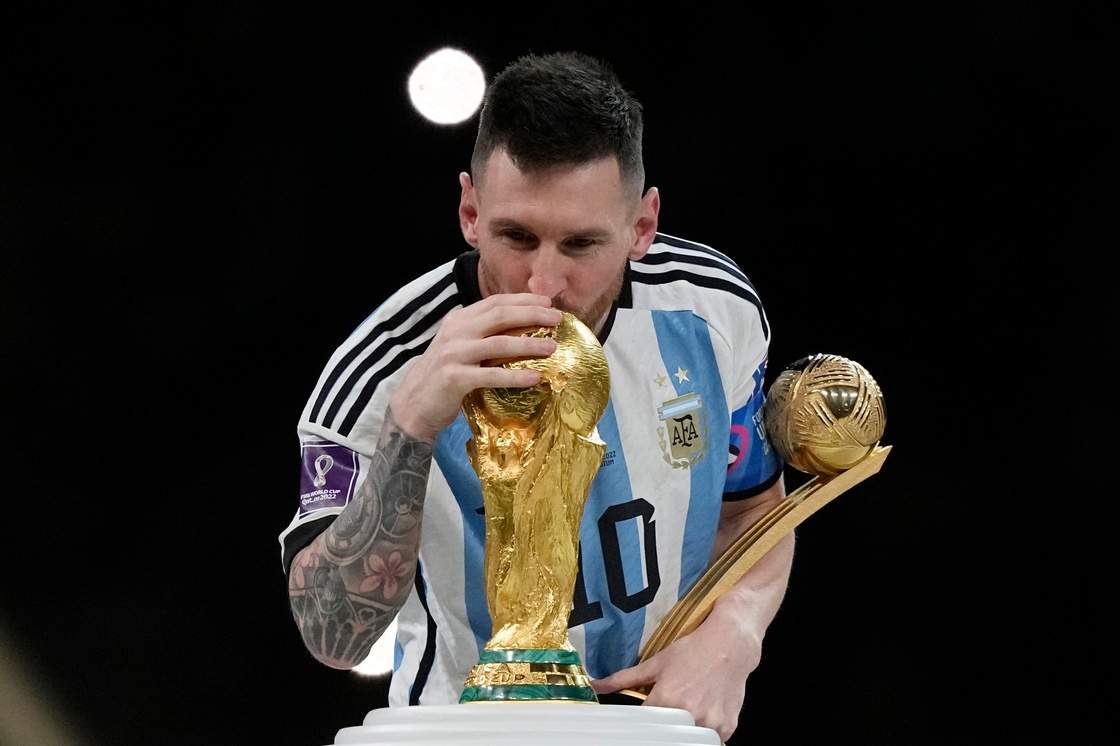
The chapter is closed, and this time, it is not a temporary emotional outburst or a dramatic plea from a nation that treats football like religion. Lionel Messi has officially and permanently stepped away from the Argentina national team at 39 years old, ending a 21-year odyssey with La Albiceleste that transformed him from a misunderstood prodigy into a national saint.
If you followed his career closely, you knew the end was coming after that grueling extra-time defeat to Spain in the 2026 World Cup final. But seeing it in writing on a Monday morning hits differently. Messi confirmed what many suspected, admitting that he simply has nothing left in the tank to give. He poured every ounce of his remaining genius into six World Cup tournaments, two Copa América crowns, and a legendary triumph in Qatar. Now, he is hanging up the striped jersey for good. You might also find this similar coverage interesting: Why Bradley Barcola Joining Liverpool Changes Everything.
The Real Reason Behind the Timing
Most casual fans assume this decision stems entirely from the heartbreak of falling short against Spain in July. That loss hurt deeply, but the timeline reveals a heavier personal toll. Messi actually penned his farewell statement on July 21, just two days after the final whistle blew in New York.
What delayed the announcement? Grief. On August 8, his father and lifelong anchor, Jorge Messi, passed away at 68. In his statement, Messi noted that losing his father solidified a choice he had already wrestled with for weeks. When life forces you to confront its brutal realities, the weight of carrying an entire country's expectations on a football pitch suddenly feels manageable to put down. He is tired, he is grieving, and he has earned the right to step back. As highlighted in recent reports by Yahoo Sports, the results are significant.
The Burden of the Blue and White Stripes
We forget how close we came to never seeing Messi lift a major trophy for his country. For the first decade and a half of his international career, the Argentine media and fickle fans treated him like an adopted Catalan who only cared about Barcelona. They blamed him for every tactical failure, every lost penalty shootout, and every tactical misfire.
Remember 2016? After losing the Copa América Centenario final, a broken Messi quit on the spot, telling reporters his time with the national team was finished. Back then, the country panicked, murals went up overnight, and president-level figures begged him to return. He did return, of course, because the pull of the badge was too strong.
That persistence paid off in the most cinematic way possible. Snapping a 36-year World Cup drought in 2022 wasn't just a career highlight; it was national redemption. When he talks about giving everything "not just in these last few years when we won everything, but before that too," he is speaking from the scar tissue of years spent absorbing unfair criticism. He stayed through the heartbreak so that the generation behind him could inherit a culture of winning rather than a legacy of choking.
Passing the Torch to the New Blood
Messi explicitly pointed out that the next generation of Argentine talent deserves room to breathe and play. You cannot build a sustainable future if a 39-year-old legend occupies every tactical priority on the pitch, no matter how brilliant his left foot remains.
The squad is entering a transition phase. Young creators and aggressive forwards are stepping into the spotlight, tasked with defending the Copa América crown and preparing for the next global cycle. Messi moving to the stands changes the dynamic of the locker room entirely, removing the safety net of his presence and forcing younger leaders to step up. He leaves behind an astronomical benchmark: 125 goals in over 200 appearances, records that will stand as monuments in South American footballing lore.
What Comes Next for the Icon
While international football is in his rearview mirror, Messi is still under contract with Inter Miami in MLS, where he continues to carve up defenses on American turf. But the frantic, continent-spanning travel, the relentless pressure of Argentine media scrutiny, and the physical toll of 120-minute matches against elite European nations are finally over.
He goes out not on top with a second consecutive World Cup trophy, but with grace, brutal honesty, and absolute peace of mind. He gave us two decades of magic, carried a fractured soccer nation across the finish line, and survived the harshest spotlight in sports.
Grab a coffee, look back at the highlights from Qatar or the Copa triumphs, and appreciate that we got to watch him play. The pitch will feel a little emptier without him in those blue and white stripes.
Vamos Argentina.