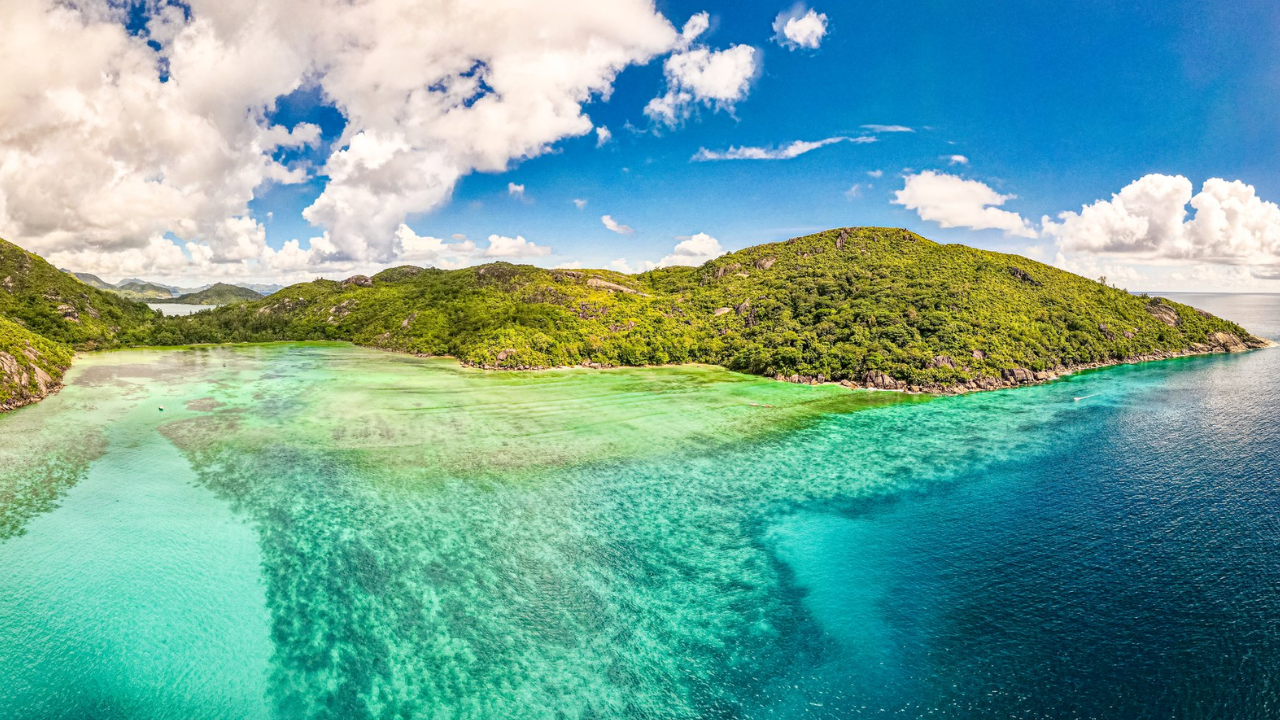
Isolation changes people. When you strip away modern conveniences, Wi-Fi, and human chatter, you're left with raw survival and absolute quiet. In 1987, a British naturalist stepped off a boat onto a speck of land in the Indian Ocean and signed up for that exact kind of isolation.
Aride Island isn't just another pretty tropical beach. It's a sanctuary. But back in the late eighties, protecting it meant living completely cut off from the rest of the world. No quick phone calls home. No weekend trips to the mainland for groceries. Just one person, thousands of seabirds, and a massive responsibility to save a fragile ecosystem from collapsing entirely.
The Reality of Remote Island Conservation
Most people romanticize island life. They picture sunbathing, reading poetry under palm trees, and sipping fresh coconut water. Reality looks very different.
When that British naturalist became the first professional warden of Aride Island, the daily grind involved dealing with poachers, battling invasive species, and maintaining basic infrastructure with whatever materials were lying around. You don't get a maintenance crew when you are the maintenance crew.
Conservation at this level requires stubbornness. You have to care deeply about species survival because nobody is watching your day-to-day efforts. If you don't patrol the nesting beaches at night, illegal egg collectors slip past. If you don't monitor the brush, rats and alien plants take over and wipe out endemic wildlife.
Why Aride Needed a Warden
Before professional management took root, Aride suffered from heavy human exploitation. Coconut plantations had altered the native forest structure. Seabird colonies faced constant pressure. The island needed someone on-site, twenty-four hours a day, seven days a week, to enforce protection laws and study the local fauna.
That first warden laid the groundwork for modern ecological management in the Seychelles. The strategy wasn't complicated, but it demanded physical endurance. You walked the trails daily. You counted nests. You built relationships with local fishermen to ensure they respected the marine boundaries.
The Ecosystem You are Protecting
Aride holds some of the most staggering concentrations of seabirds in the Indian Ocean. Millions of tropical shearwaters, lesser noddies, and fairy terns call these cliffs and forests home.
Walking through the woodland during peak breeding season feels overwhelming. The air hums with wings. The ground rustles with skinks and Wright's gardenia blossoms.
Endemic Species Under Threat
It's not just about birds. The island hosts unique reptiles found nowhere else on Earth. The Seychelles warbler, a tiny insect-eating bird once brought to the brink of extinction with only around twenty-nine individuals left in the world, found a crucial stronghold here.
Protecting creatures like the Seychelles warbler requires meticulous habitat management. When the habitat thrives, the birds bounce back. When humans step back and let nature heal, ecosystems recover with surprising speed. That is the core lesson from 1987. Nature doesn't need us to manage every second; it needs us to stop breaking things and give it breathing room.
What Modern Travelers Miss About the Seychelles
People see glossy travel magazine spreads of pristine beaches and assume the islands were always preserved like museum exhibits. They weren't. Every patch of green wildlife refuge you visit today exists because someone fought hard to protect it thirty or forty years ago.
If you plan to visit the Seychelles today, skip the generic resort bubble for a day. Look into visiting nature reserves like Aride, Cousin, or Curieuse. Understand the backstory. Talk to the current wardens and staff who still live in relative isolation to keep these places safe from illegal fishing and habitat degradation.
When you respect the local conservation rules, you aren't just following red tape. You are keeping a fragile sanctuary alive for the next generation of travelers and scientists.
How to Experience Seychelles Conservation Firsthand
You don't have to spend a year alone on a deserted island to make a difference or appreciate what wardens achieved.
- Book guided eco-tours: Support local reserves directly by paying visitor fees that fund ranger salaries and habitat restoration.
- Support local NGOs: Organizations like Island Conservation Society work tirelessly across the archipelago. Follow their work and donate if you can.
- Leave zero trace: Never take shells, sand, or plant cuttings. Respect nesting zones for turtles and seabirds. Keep your distance.
The isolation that naturalist faced in 1987 paved the way for the thriving sanctuaries you can visit today. Respect the quiet. Honor the solitude. Leave the islands wilder than you found them.