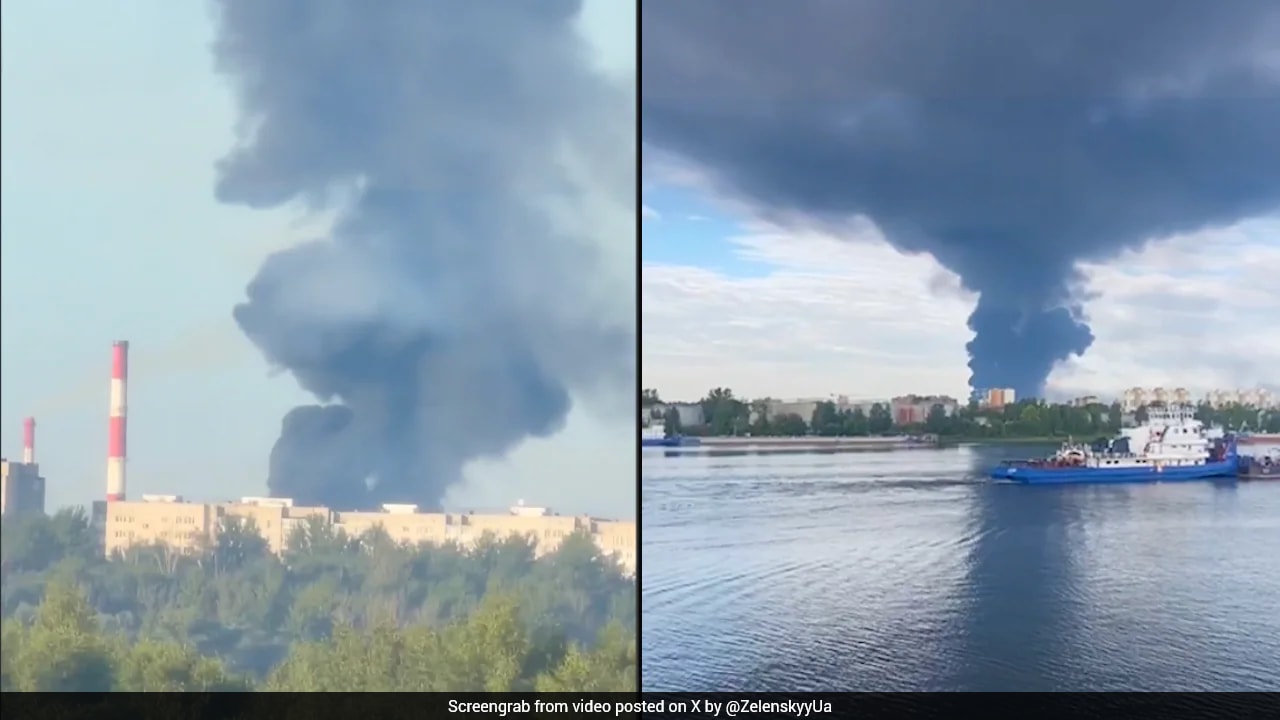
When Ukrainian long-range drones smash into oil facilities hundreds of kilometers inside Russian borders, the entire geopolitical calculation changes. President Volodymyr Zelenskyy recently confirmed that Kyiv's defense forces struck critical oil-processing plants deep within Russian territory, targeting vital nodes of Moscow's war machine. This isn't just about military posturing. It's a calculated, systematic effort to starve the Kremlin of the petroleum revenues keeping its army funded.
Let's look at why these deep-strike operations matter right now. Russia spans eleven time zones, making comprehensive air defense for every single refinery, fuel depot, and military plant practically impossible. Kyiv is exploiting that massive geographical vulnerability.
The Strategy Behind Hitting Deep Targets
For a long time, the conventional wisdom dictated that air defense would always neutralize asymmetric drone threats before they reached high-value strategic targets. Ukraine has spent the past several years shattering that assumption. By deploying domestically developed, long-range unmanned aerial vehicles, Ukrainian forces are hitting targets located seven hundred to over thirteen hundred kilometers away from the frontline.
Take the recent operations targeting major processing facilities like the Slavneft-Yanos refinery in Yaroslavl or installations in regions like Bashkortostan and Perm. These aren't minor local fuel depots. They rank among Russia's largest industrial processing plants, churning out millions of tons of refined products annually. When fires break out at these sites, the domestic economic shock ripples outward, creating regional fuel shortages and forcing Moscow to redirect precious air defense assets away from frontline positions to protect domestic infrastructure.
Shifting Dynamics on the Ground and Abroad
The timing of these deep strikes often coincides with high-stakes diplomatic pushes. Ukrainian leadership has openly tied these technological successes to ongoing discussions with international allies about expanding sanctions and securing advanced defense hardware. Western military analysts have noted that Ukraine's rapid adaptation in unmanned systems offers a masterclass in how smaller forces can impose asymmetric costs on a numerically superior adversary.
You'll often hear critics argue that these raids are merely symbolic. But data from independent tracking channels and localized reports tell a different story. Repeated strikes on major energy hubs disrupt supply chains, damage expensive specialized equipment that is difficult to replace under heavy international sanctions, and inject a sense of vulnerability directly into the Russian hinterland. When local governors have to address burning industrial plants on home soil, the reality of the conflict becomes impossible for the Russian public to ignore.
What Happens Next in the Air War
The escalation of long-range drone warfare signals a permanent shift in modern military tactics. Russia continues to answer with heavy missile and drone volleys targeting Ukrainian cities, but Kyiv's ability to punch deep into Russian logistics means Moscow no longer has a safe sanctuary behind its own lines. As long as the war persists, technological innovation in drone range and payload capacity will dictate the pace of economic attrition.
The strategy is clear, brutal, and entirely focused on financial exhaustion. By bringing the reality of the war directly to Russia's energy sector, Ukraine aims to force a fundamental reevaluation in Moscow about the true cost of prolonged aggression.
Watch the full report on Ukraine strikes
This video report covers the expanding scale of long-range drone strikes on Russian oil refineries and the broader geopolitical fallout of the ongoing conflict.
http://googleusercontent.com/youtube_content/1