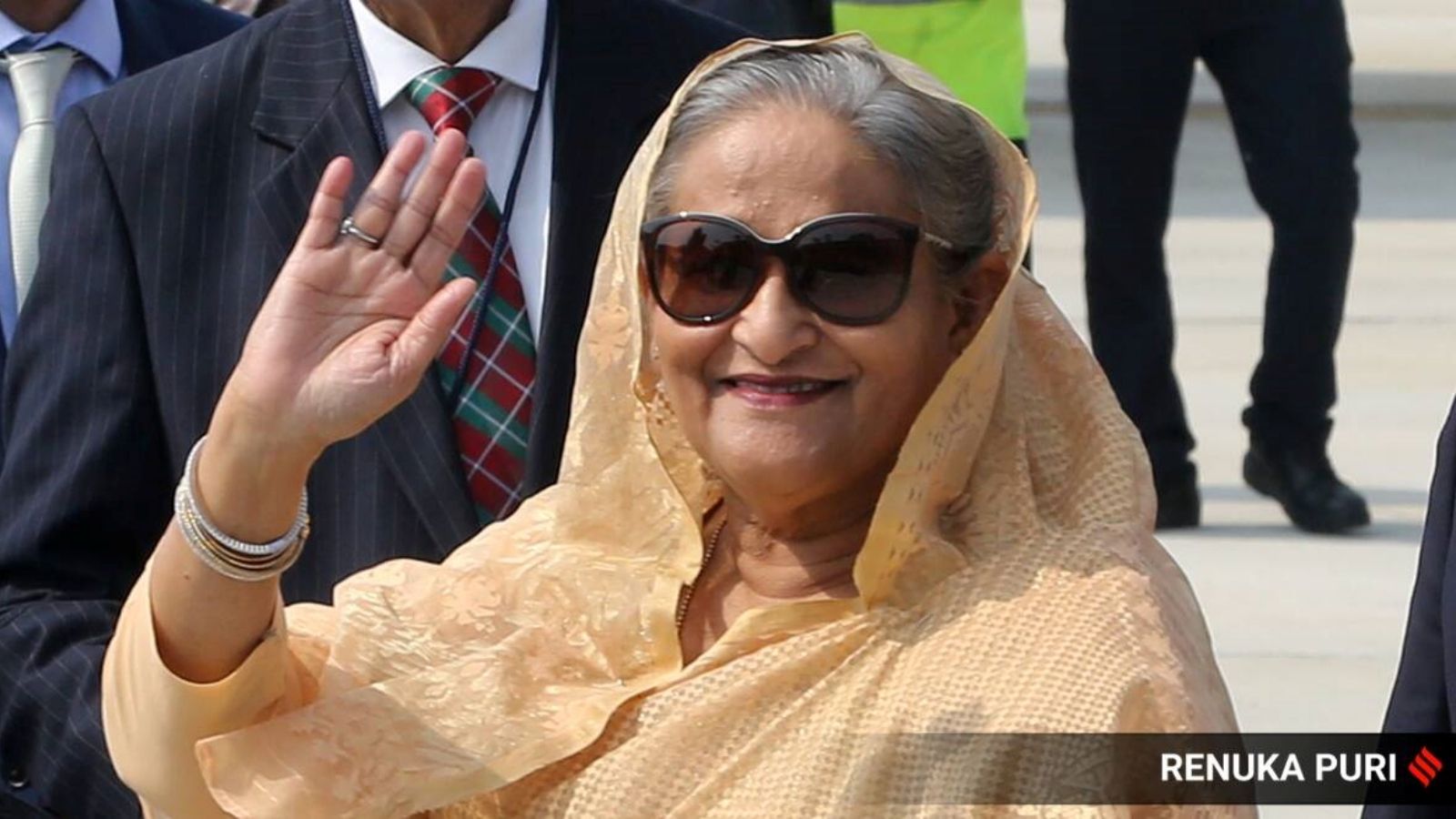
The afternoon air in Dhaka carries the heavy scent of rain and restless anticipation. Down by the bustling pavements of Farmgate, rickshaw pullers wipe sweat from their brows while radios chatter with the latest updates from abroad. Thousands of miles away, in a quiet room across international borders, a former leader sits with a map, a calendar, and a singular, unyielding fixation: December.
This is not merely a political talking point. It is a human story about exile, memory, and the powerful gravity of home.
When Sheikh Hasina was forced from power following weeks of intense civil unrest in August 2024, the speed of events stunned observers worldwide. Decades of political dominance ended in a matter of hours, replaced by an interim government tasked with steering the nation toward eventual democratic renewal. For many, her departure marked a definitive closing chapter. But political gravity rarely accepts such neat conclusions.
Consider the perspective of a shopkeeper in Old Dhaka whose family has sold textiles for three generations. For him, politics is not an abstract debate on governance; it is the fluctuating price of cotton, the safety of the streets at dusk, and the deep-seated identity of a country forged through immense struggle. When leaders fall and rise, ordinary citizens live in the turbulence left behind.
Rumors travel faster than electricity through the alleyways. Whispers of a planned return by December circulate among supporters and critics alike. Some hear the date as a promise of restoration; others hear it as a threat to fragile stability.
To understand why this date matters, we have to look past the political theater and examine the psychological attachment to power and place. Exile strips away the trappings of office—the motorcades, the security details, the grand halls—leaving only the raw ambition to reclaim what was lost. Hasina’s recent declarations to associates emphasize a firm belief that her political journey is far from finished.
Yet, the legal and domestic hurdles standing in her path are formidable. The interim administration, led by Nobel laureate Muhammad Yunus, faces the monumental task of rebuilding institutional trust, investigating past abuses, and preparing the ground for free and fair elections. Returning to Bangladesh means confronting a judiciary that has filed numerous charges against members of the former administration, ranging from corruption allegations to serious accusations regarding the suppression of protests.
Can a leader accustomed to absolute authority return to a landscape that has violently rejected her rule?
The question itself hangs heavy over the subcontinent. It exposes the deep polarization dividing communities. On one side stand millions who credit her tenure with massive economic growth, infrastructure expansion, and a fierce secular defense against radicalism. On the other stand the families of young protesters who lost their lives on the asphalt, demanding accountability, justice, and a complete break from the past.
History teaches us that political exiles rarely fade quietly. From Napoleon on Elba to modern statesmen in foreign capitals, the distance from home often magnifies political resolve rather than diminishing it. The physical absence creates a mythos, a rallying cry for loyalists who feel abandoned by the shifting tides of history.
As the calendar pages turn toward the final month of the year, the atmosphere in Dhaka remains charged. Every news bulletin is scrutinized for hidden meanings. Every diplomatic statement from neighboring capitals is weighed for signs of shifting alliances.
December approaches with the steady, unstoppable march of time. Whether it brings a dramatic homecoming, a legal standoff, or simply another broken promise remains to be seen. But the yearning for home—and the desperate struggle to control the narrative of a nation’s future—continues to shape every heartbeat on the crowded streets of Bangladesh.