The wind does not care about your intentions. On an Arizona cliff face, three hundred feet above a merciless floor of jagged stone and scrub brush, the wind is merely a physical force calculating the path of least resistance. It presses against nylon. It tests the seams of a specialized backpack. It whispers through the canyons that a mistake here is not a lesson you survive to teach.
Ask any veteran of the vertical world, and they will tell you that fear is not the enemy. Fear is the diagnostic tool. It tells you your heart is still pumping. It tells you your pupils are dilated for a reason. The real enemy is complacency, that sudden, quiet whisper in the back of the mind suggesting that today, physics will make an exception for you.
On a searing afternoon in Arizona, physics made no exceptions. A BASE jumper, suspended between the thrill of a three-second flight and the crushing reality of a miscalculated deployment, found out what happens when the margin for error shrinks to zero.
Wind shear is an invisible architect. From the rim, the air looks calm, a flat blue expanse stretching toward the horizon. But drop over the edge, and the canyon walls act as flumes, funtering thermals and crosswinds into chaotic vortices. Our jumper—let us call him Marcus, though the name matters less than the desperate geometry of his situation—stepped into that void with a heart full of adrenaline and a rig packed with precision.
The exit was clean. The initial freefall was a rush of pure, unadulterated velocity. For a brief, intoxicating window, the world fell away. There is an addiction to that specific kind of exposure, a total stripping away of mundane worries until only the present moment remains. You are weightless. You are godlike. Until you are not.
A sudden rotor—a violent swirling pocket of air generated by the cliff face—collided with the canopy just as it blossomed. The fabric fluttered, lost pressure, and drifted sideways. There was no room to recover. No altitude to trade for speed.
Impact was avoided, but safety was not achieved.
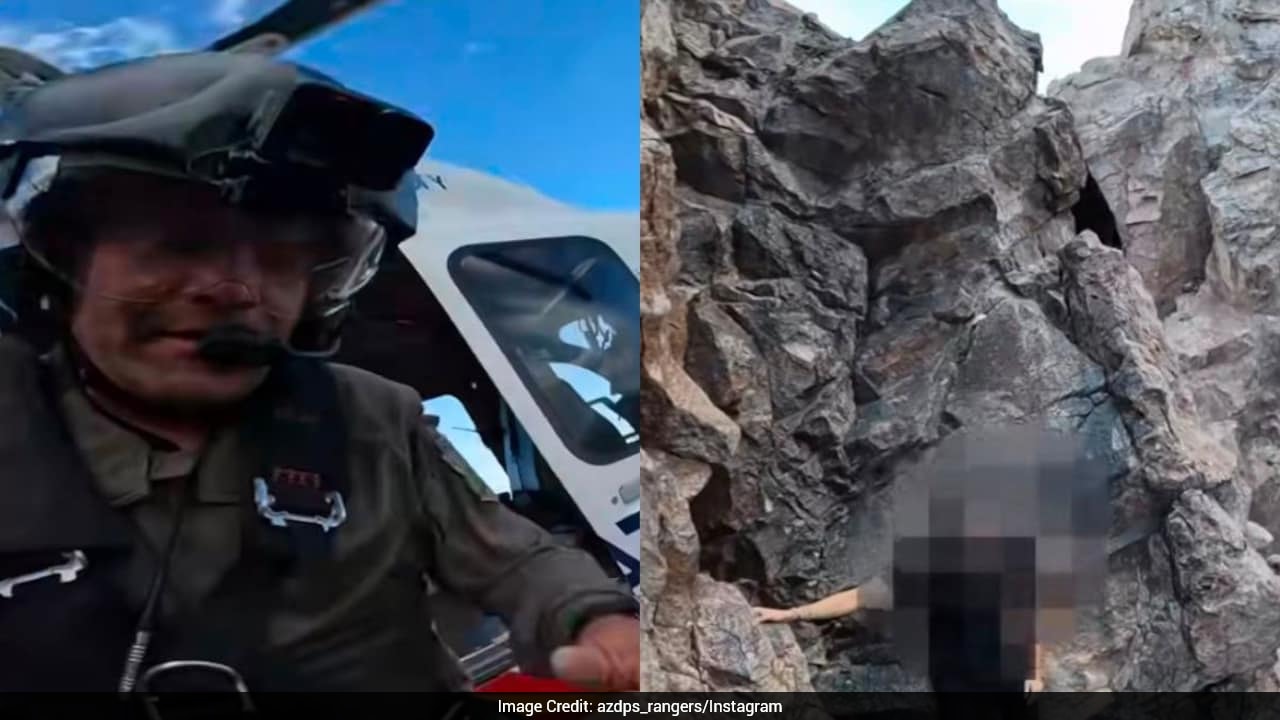
Instead of slamming into the canyon floor, Marcus found himself wedged onto a narrow, sloping shelf of rock protruding from the vertical wall. The drop below was sheer. The wall above was an impassable face of weathered sandstone. He was stranded.
Consider what happens next in the quiet anatomy of a rescue.
When the emergency call crackles through the dispatch radios in Arizona, the clock begins a brutal, unyielding sprint. In these remote environments, every minute is measured in thermal loss, dehydration, and the psychological erosion of the stranded individual. You can hear the static on the radio, but you cannot hear the silence that settles over a stranded jumper when the sound of their own breathing echoes off the canyon walls.
Emergency services mobilized with practiced precision. For the uninitiated, a mountain rescue looks like chaos—shouting voices, spinning rotor blades, heavy ropes. But look closer. It is a symphony of calculated risks. Department of Public Safety rangers and local search and rescue teams do not just show up; they calculate weight ratios, wind drift, and anchor integrity while flying fifty feet above a sheer precipice in a roaring helicopter.
The helicopter hovered like an angry mechanical insect. The rotor wash kicked up a blinding storm of dust and loose gravel, pelting the stranded jumper against the rock. Down came the hoist cable.
To the casual observer watching a news clip on a glowing screen, a hoist rescue looks routine. A man in a harness goes down, hooks up the patient, and they rise into the sky like balloons.
It is never routine.
Imagine hanging by a thread of steel cable, your boots dangling over a three-hundred-foot abyss, while the downdraft from a million-dollar aircraft tries to push you into the very rocks you are trying to escape. The rescuer—a professional whose name will never trend on social media—reaches the ledge. There are no high-fives. There is only eye contact, a sharp nod, and a quick, ruthless assessment of injuries.
Marcus was dehydrated, his adrenaline crashing into a heavy, nauseating fatigue. His rig was tangled in the brush. His spirit was intact, but his body was shivering despite the desert heat—a classic symptom of shock.
The winch operator upstairs adjusted the cable by inches. Inches. In aviation, inches mean the difference between a successful extraction and a catastrophic pendulum swing against the cliff.
The cable tautened. The world tilted.
For a terrifying second, Marcus left the rock and hung entirely in open air, spinning slowly beneath the aircraft. The canyon floor rushed away. The wind shrieked in his ears. Every instinct screamed that he was falling again, that the safety was an illusion.
Then came the cabin floor. The heavy thud of the door sliding shut. The smell of aviation fuel and sweat.
Back on solid ground, the transition from mortal peril to bureaucratic safety is jarring. There are incident reports to sign, vital signs to monitor, and handshakes exchanged with exhausted rescuers who will pack their gear, drive home, and wake up for their day jobs tomorrow.
The public sees the headline. BASE Jumper Airlifted to Safety After Getting Stranded on Arizona Cliff. They scroll past it while drinking their morning coffee or waiting for a train. They reduce it to a statistic, a mild cautionary tale about extreme sports enthusiasts pushing their luck.
They miss the texture of the experience. They miss the metallic taste of fear, the blistering heat radiating off the sandstone, the humbling realization that nature does not negotiate with adrenaline junkies.
Marcus walked away with bruised ribs, a shredded jumpsuit, and a heavy, debt-like gratitude to people he had never met before that afternoon.
The canyon remains unchanged. The wind still sweeps through the gaps in the rock, testing the ledges, indifferent to who passes by. The sandstone waits. And out there, somewhere on the edge of another precipice, someone is looking down, checking their lines, and wondering if today is the day they get it right.


