Get ready for a massive traffic disaster if Washington doesn't write a check. Less than seven hundred days stand between Los Angeles and the opening ceremony of the 2028 Summer Olympic and Paralympic Games. Yet, local lawmakers are sounding severe alarms because the federal government is dragging its feet on a multi-billion dollar transportation funding ask.
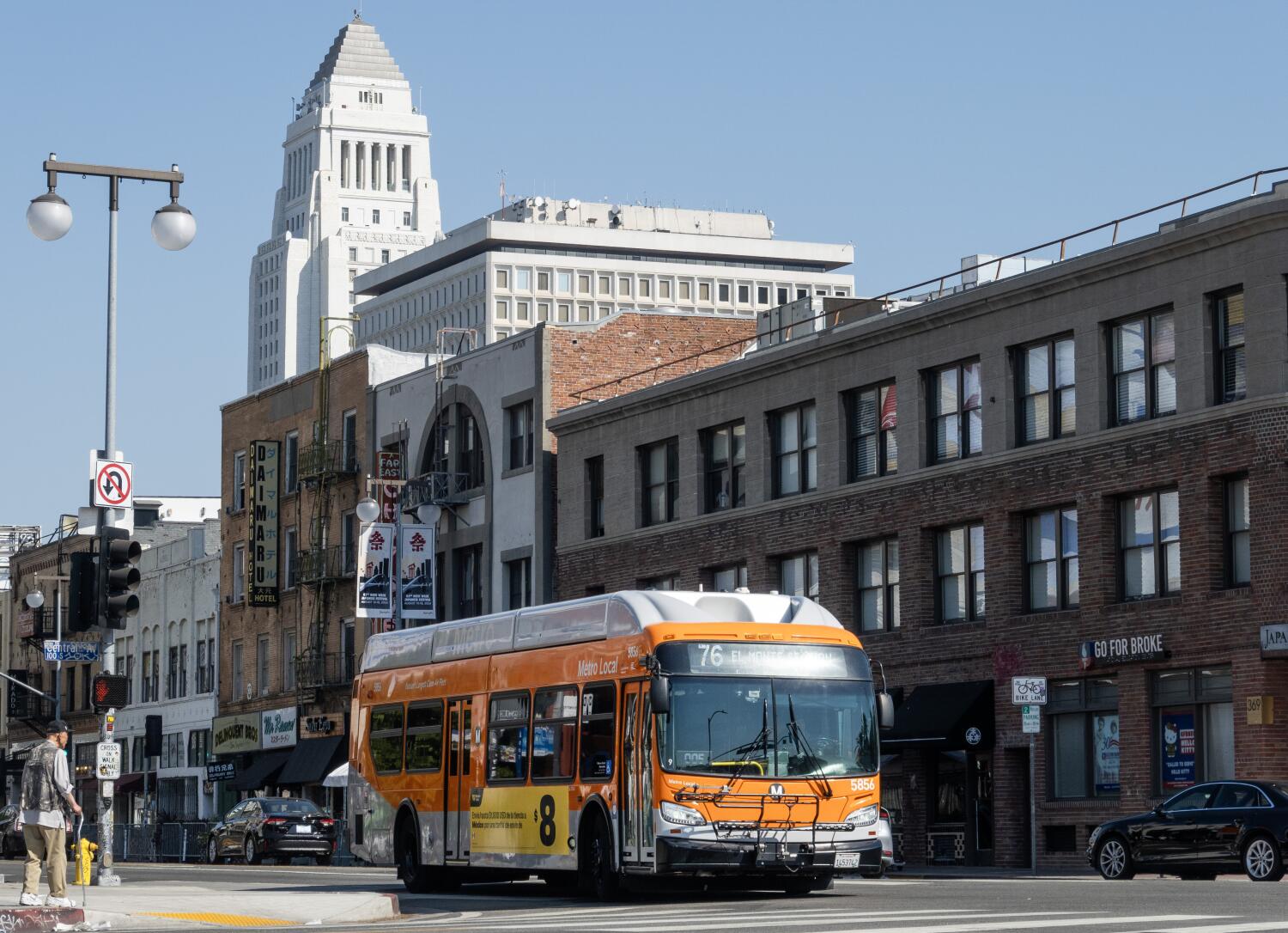
L.A. Metro wants two billion dollars from federal coffers. Half of that massive sum is earmarked for a single, monumental task: temporarily acquiring, operating, and storing nearly 1,750 additional buses. Without these vehicles, the region's promise of a "transit-first" Olympic experience falls apart entirely.
The High Stakes of a Car-Free Olympic Vision
When Los Angeles originally pitched its Olympic bid, officials promised a creative, car-free mobility strategy. Sprawling across a massive geographic footprint with venues scattered from downtown to the coast, southern California cannot rely on regular daily transit capacity.
L.A. Metro plans to nearly double its active bus fleet by leasing vehicles from transit providers across the country, building temporary depots, and mapping out dedicated road networks for Games-related vehicles. But transit planning requires a long lead time. Officials need funding nailed down now to procure vehicles, hire drivers, and test routes.
When the White House released its proposed budget, the line item for L.A. Metro's requested transit allocation was completely missing. California congressional representatives, including Sydney Kamlager-Dove and Laura Friedman, expressed outrage. Lawmakers emphasize a simple truth: Los Angeles may be the physical host, but the United States of America is hosting these Games on the international stage.
Bipartisan Pressure Meets Budget Realities
While the executive branch left the request out of its primary budget proposal, Congress has shown signs of movement. The House Appropriations Committee advanced an incremental victory by approving an $875 million package for public transit tied to the 2028 Games.
Even with that committee approval, uncertainty remains the defining theme. Transportation Secretary Sean Duffy has pointed transit officials toward existing grant programs, while local leaders argue those standard funding streams are far too small and restrictive to handle the unique, massive surge of an Olympic event. Senator Alex Padilla's office and other regional advocates note that delayed funds create real logistical vulnerabilities.
Security perimeters create another massive headache. Representatives like Ted Lieu have pointed out a glaring psychological hurdle for spectators: if security checkpoints and transit drops force people to walk too far, or if alternative travel methods are easier, fans will bypass public buses. That means more drivers on the highway and absolute gridlock. Chief Bill Scott of Metro's Department of Public Safety states the goal is to keep transit drop-off walking times between ten and fifteen minutes, but achieving that threshold demands flawless execution and deep financing.
What Happens When the Money Runs Short
If Washington fails to fully fund the transit initiative, the consequences will ripple across daily life for local residents. Planners warn of diminished bus frequency, longer passenger wait times, and extreme roadway congestion. Local agencies cannot absorb the operating costs of a temporary global transit network on their own dime.
Local leaders are looking at recent test runs for guidance. The region treated this summer's World Cup matches as a live dry run, analyzing traffic mitigation and crowd control over an intensive eighteen-month planning window. While the World Cup offered valuable lessons, the scale of the Olympics is exponentially larger, anticipating roughly one million additional transit trips every single day of the competition.
Federal lawmakers and municipal transit heads are pushing through the legislative appropriations process before time runs out. Stakeholders urge the Senate and the White House to lock in the remaining balance so that infrastructure projects break ground without stalling.
Monitor the upcoming congressional appropriations votes closely, and expect local transit agencies to ramp up public pressure on federal officials as the 700-day countdown ticks away.