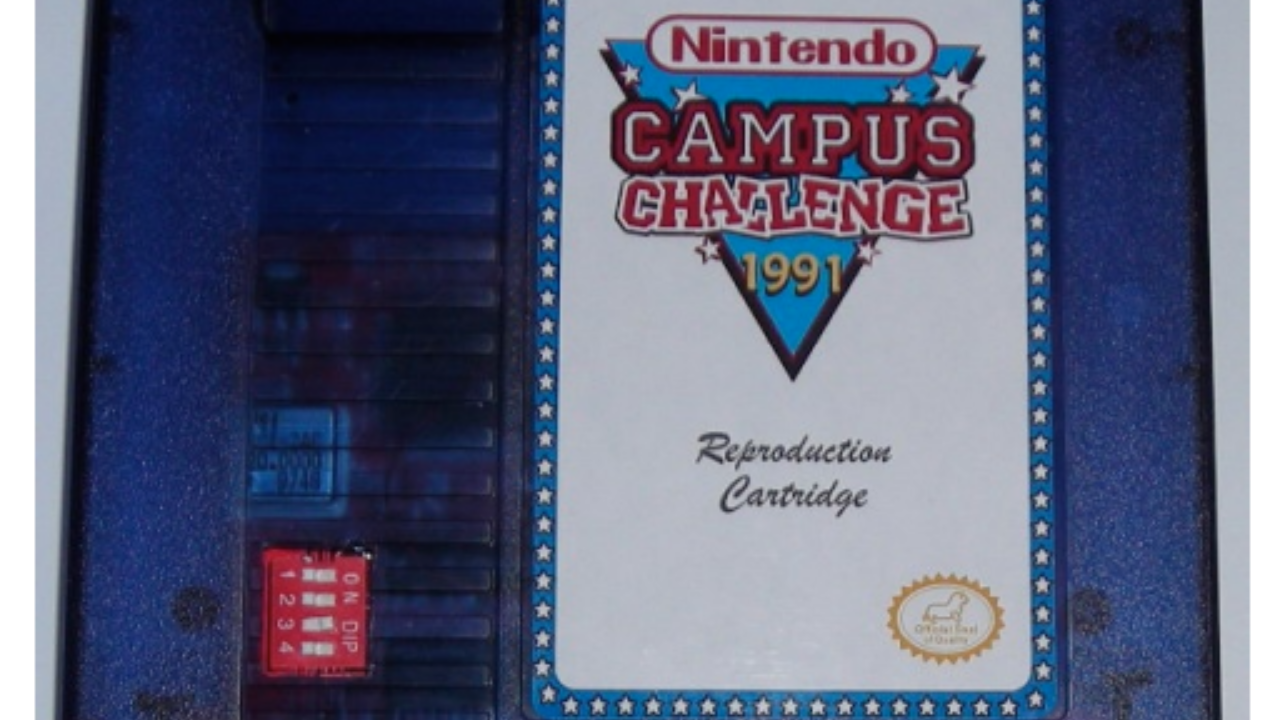
Video game history is written by the victors, preserved by archivists working in basements on outdated hardware, and frequently rewritten by corporate negligence. Most people think of historical preservation as an exercise in nostalgia. They picture a pristine cartridge resting in a museum display case or an ROM downloaded from a shady forum. But the real archaeology of interactive media happens when a piece of hardware thought destroyed entirely turns up in an estate sale, an industrial dumpster, or a warehouse closet with no label.
The recovery of lost interactive software is rarely about stumbling upon a polished master copy. It is about untangling code that was halfway through a rewrite when funding dried up or a publisher went under. When a long-lost prototype surfaces, it forces a reckoning with how much of the medium's evolution exists purely as rumor. We treat missing code as historical footnotes until physical proof emerges to alter the timeline.
The Mechanics of Corporate Amnesia
Publishers in the 1980s and 1990s operated on a cycle of planned obsolescence. Development kits were expensive. Storage space on magnetic tape and early hard drives meant old builds were regularly overwritten to make room for the next sprint. Code was treated like disposable scaffolding rather than cultural heritage. When a project missed a milestone or failed internal testing, the standard operating procedure involved wiping the drives and packing up the cubicles.
This environment created massive gaps in the historical record. Entire genres shifted trajectories because a key prototype was binned before anyone could document its mechanics. When historians try to piece together why a particular design choice became standard, they often rely on fragmented interview transcripts and magazine previews from months before release. Those sources are notoriously unreliable. Marketing departments routinely lied about features that did not exist, and developers regularly described codebases that were entirely theoretical at press time.
Recovered prototypes strip away the mythmaking. They expose the friction between ambition and hardware limitations. A build found on a weathered 3.5-inch floppy disk tells the unvarnished truth about what a team could actually achieve before management pulled the plug.
Physical Decay and the Race Against Time
Digital decay is an aggressive force. Magnetic media degrades. Capacitors leak acid onto circuit boards. EPROMs lose their charge over decades. Finding a lost piece of gaming history is only half the battle. Extracting data from media that has spent thirty years in a damp garage requires specialized electronic engineering skills that are vanishingly rare.
You cannot simply plug an ancient proprietary storage medium into a modern workstation. You need custom hardware interfaces, oscilloscopes, and an intimate understanding of obsolete file systems. The specialists performing this work are forensic technicians disguised as enthusiasts. They treat a corroded circuit board with the same care a coroner applies to a crucial piece of forensic evidence.
When a recovery succeeds, the data is often corrupt. Bit rot corrupts header files and asset tables, requiring programmers to write custom error-correction scripts just to get a title screen to render. This is not casual preservation. It is laborious resurrection. Every recovered build represents hundreds of hours of reverse engineering, soldering, and debugging dead code written by developers who may no longer be alive to answer questions.
Why Missing Artifacts Matter Today
Modern digital storefronts create an illusion of permanence. We assume everything ever made is accessible via a subscription service or a digital marketplace. That assumption is dangerously false. Licensing deals expire, servers shut down, and publishers restructure. The digital ecosystem is remarkably fragile.
Studying historical prototypes reminds us that the medium has always been unstable. Early development builds demonstrate how mechanics were iterated, discarded, and rediscovered. A gameplay loop that feels obvious today might have required three failed iterations on unreleased hardware to perfect. By ignoring the discarded paths of game design, we lose the context for why modern games function the way they do.
The hunt for lost code is not just about unearthing curiosities for collectors. It is about establishing an accurate baseline for how an artistic medium matured under immense technological constraints. Until the industry builds systematic, institutional frameworks for archiving its own messy developmental history, we will continue to rely on random discoveries and the tireless dedication of independent researchers working in the margins.
The next lost artifact is sitting in a cardboard box somewhere right now, slowly losing its magnetic charge. Whether anyone rescues it before the plastic cracks determines what we remember about the history of play.